Caught between China’s rapid military rise and growing questions about America’s strategic focus, Indo-Pacific nations are accelerating defence spending, strengthening partnerships and building new security networks.
The trend was on full display at the annual Shangri-La Dialogue in Singapore, where defence leaders discussed regional security challenges and the future of US engagement in Asia.
US Defence Secretary Pete Hegseth urged regional partners to take on a greater share of the security burden, while rejecting suggestions that Washington’s attention was being diverted by tensions with Iran and other global crises.
“We can do two things at one time,” Hegseth said.
Asia Steps Up Defence Cooperation
Regional defence officials indicated that countries are increasingly looking beyond traditional security arrangements and expanding cooperation with one another.
Philippines Defence Secretary Gilberto Teodoro said there was broad agreement among regional governments on the need to rapidly strengthen military capabilities.
Manila is deepening defence ties with countries including Japan, Australia, Canada and New Zealand while continuing to work closely with the United States.
According to Teodoro, a wider network of security partners strengthens deterrence and reinforces America’s role in the region.
Japan Positions Itself As A Security Hub
Japan is seeking a larger role within the emerging regional security architecture.
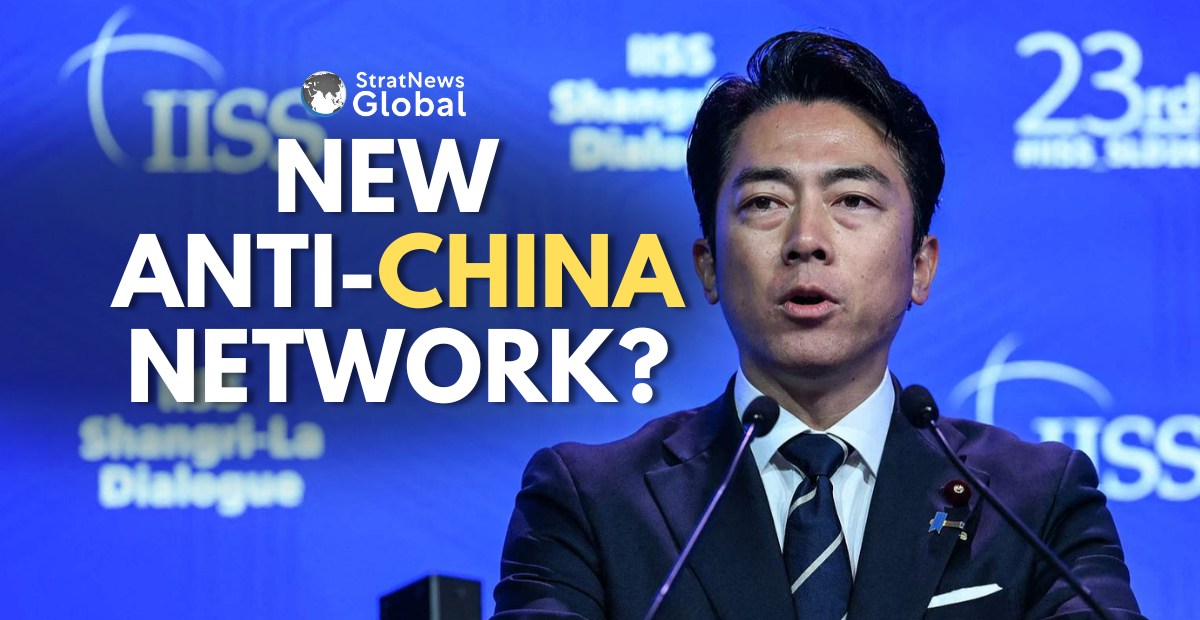
Japanese Defence Minister Shinjiro Koizumi said Tokyo aims to serve as a “connecting point” for closer regional cooperation.
Earlier this year, Japan introduced its most significant defence export reforms in decades, easing restrictions on overseas arms sales and opening the door to exports of warships, missiles and other military equipment.
Koizumi said Japan intends to become more proactive in defence equipment cooperation and support partners seeking stronger military capabilities.
New Security Networks Emerging
Singapore Defence Minister Chan Chun Sing called for more flexible partnerships among like-minded countries to address evolving security challenges.
Canada is also expanding its Indo-Pacific presence.
General Jennie Carignan said Canadian forces are increasing cooperation with Japan and the Philippines through cybersecurity initiatives and maritime exercises, while also supporting military training in Indonesia.
Meanwhile, New Zealand is exploring new defence acquisitions and closer military cooperation with regional partners.
Defence Minister Chris Penk confirmed Wellington is considering Japanese and British warships as replacements for its ageing frigates.
Confidence In US Commitment Remains
Despite concerns about Washington’s global priorities, regional leaders stressed that confidence in US engagement remains strong.
Australia’s Defence Minister Richard Marles described the US alliance as fundamental to Australia’s national security.
Officials from the Philippines and other regional states similarly argued that America’s involvement in the Middle East has not diminished its Indo-Pacific commitments.
China Drives Strategic Calculations
While few officials directly named China as the sole reason behind the military buildup, Beijing’s expanding military capabilities remain the central factor shaping regional defence planning.
As Indo-Pacific countries strengthen their own militaries and deepen cooperation with one another, a more interconnected regional security network is beginning to emerge alongside, rather than beneath, the traditional US security umbrella.
(with inputs from Reuters)