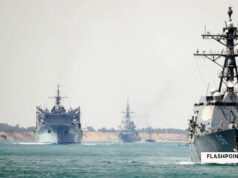
Is all well between India and Iran? Reports say two laden Indian tankers have already transited the Strait of Hormuz with more on the way, courtesy quiet conversations between the two sides including Prime Minister Modi speaking to Iran’s President Pezeshkian.
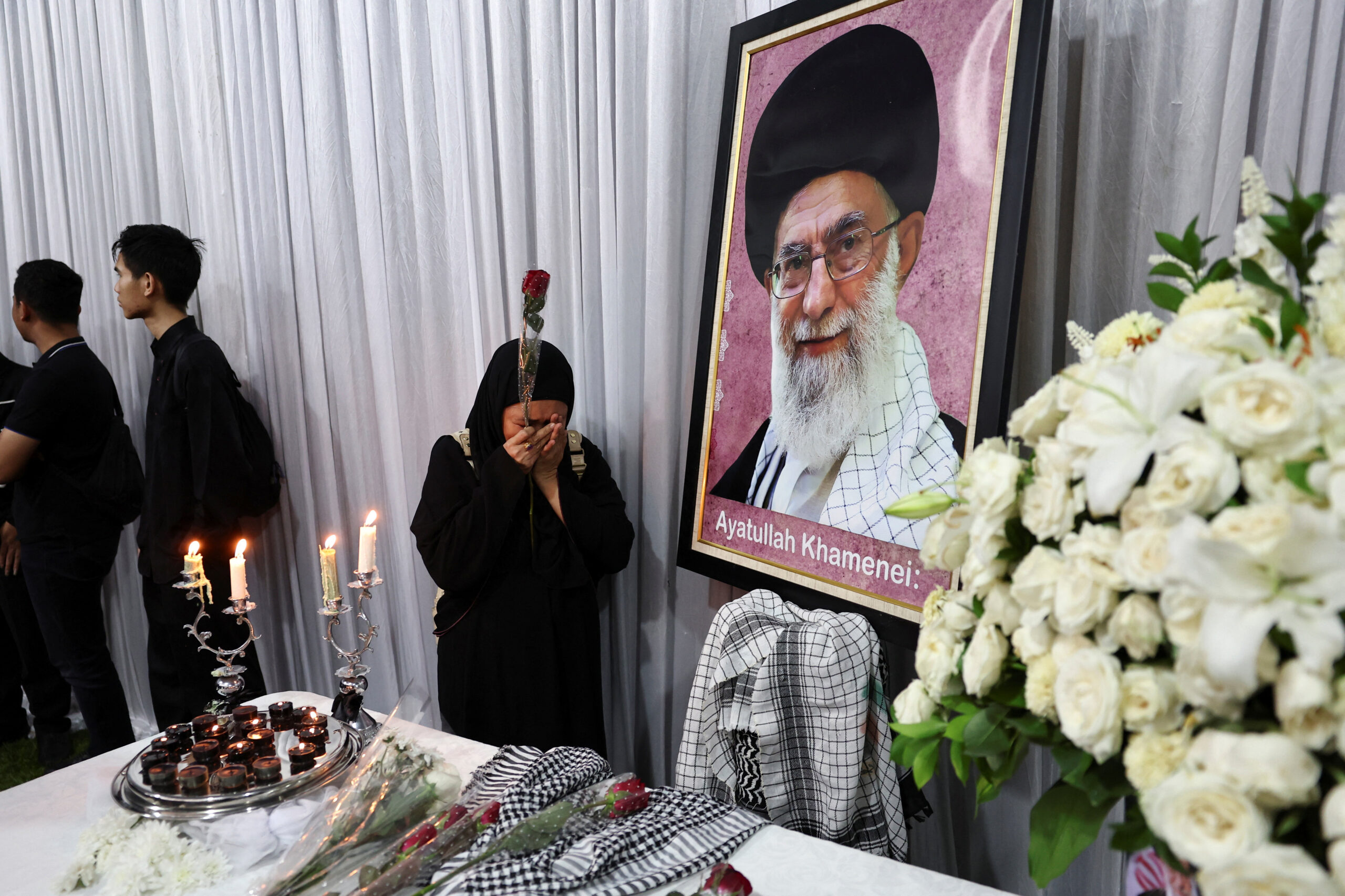
But would the Iranians have forgotten or forgiven India’s silence over the assassination of Supreme Leader Ayotollah Khamenei in an Israeli strike?
“To my mind, it’s an absolutely atrocious violation of international law. You don’t legally assassinate the leader of a country simply because you have differences with that country,” Kanwal Sibal, former foreign secretary told StratNewsGlobal. “A very, very bad precedent has been set.
“I think Government of India could have condoled the death of Khameinei without accusing the United States or even bringing the name of the United States into it. Why we didn’t do it I’m at a loss to understand.”
Some say Foreign Secretary Vikram Misri signing the condolence book at the Iranian Embassy five days later has settled the issue. One will need to ask the Iranians about that.
What about Khamenei’s son and successor Mojtaba? No congratulations on his rise even though he is head of state.
Now let’s look at Modi’s visit to Israel, the jhappi-pappi that followed and 48 hours after his departure, Khamenei was despatched along with members of his family. The question is was there any pressing urgency for Modi to visit, more so as it was the Israeli Prime Minister Netanyahu’s turn to come to Delhi?
A former diplomat who would not be named, hinted at the role of pro-Israeli lobbies within government. But the ruling BJP has always been known to be pro-Israel. The first ever visit of any Indian prime minister to Israel was by Narendra Modi (July 2017).
Both countries share common concerns over Islamic terrorism. Their societies and cities have been targeted by extremist groups backed by states, Pakistan in the case of India and Iran in the case of Israel. The India-Israel connection was just waiting to happen and the BJP “happened” it.
Back to the question was there any “urgency” to Modi’s visit? Mahesh Sachdev, former diplomat and Arabist with tenures in Saudi Arabia and as Director handling the Iran Desk in the Ministry of External Affairs, argues that the prime minister’s visit would have been driven largely for bilateral reasons. Also, it would have been planned much earlier.
The fact that Netanyahu has an arrest warrant pending against him from the International Criminal Court for alleged war crimes, would have figured in the decision for Modi to go.
“It would have been risky for Netanyahu to leave Israel and fly over countries that don’t like him. So Tel Aviv may have prevailed upon Delhi and Modi came over,” Sachdev said.
Kanwal has his doubts about Netanyahu’s motivations, and that bringing Modi to Tel Aviv may have concealed a larger purpose.
“I think Netanyahu was unfair to the prime minister. He exploited the situation for his own political benefit because he got a lot of boost from the fact that despite being vilified as a war criminal, he had the leader of the largest democracy in the world, Modi.”
Modi would have had no idea that Netanyahu had set his mind on war. In fact, there was no apprehension of a larger war since Gaza had cooled down, Hamas and Hezbollah had been degraded and a peace process was underway.
Even Iran and the US were talking, multiple rounds of dialogue had taken place and reports suggested an understanding could be reached on Tehran’s nuclear programme. There was a sense that the worst was over and perhaps India could be faulted for being lulled by that.
Sachdev points to a larger issue: that the time has come for India to think through the Iran relationship. India has never had a relationship with Iran other than as an energy supplier, he pointed out. India was able to leverage Tehran for a while during the Afghan war but that didn’t last.
“Have we used the Shia connection to build the relationship,” he asked. “What about Iran as a balancer against Pakistan? Also Iran as a market of 90 million people. When this war ends, and sanctions are withdrawn, Iran will be open for business. India can supply everything from food to refined fuels and manufactured goods, even military equipment.”
Iran’s decision to allow India to transit tankers through the Hormuz Strait suggests it recognises the pressure this country is under, principally because of the US. Tehran may be looking at a future where India may not only be a strong bilateral energy and economic partner, but also a bridge to the largely Sunni Gulf Arab states.
The potential and promise are out there. The current crisis could be a time to reflect upon the Iran relationship.