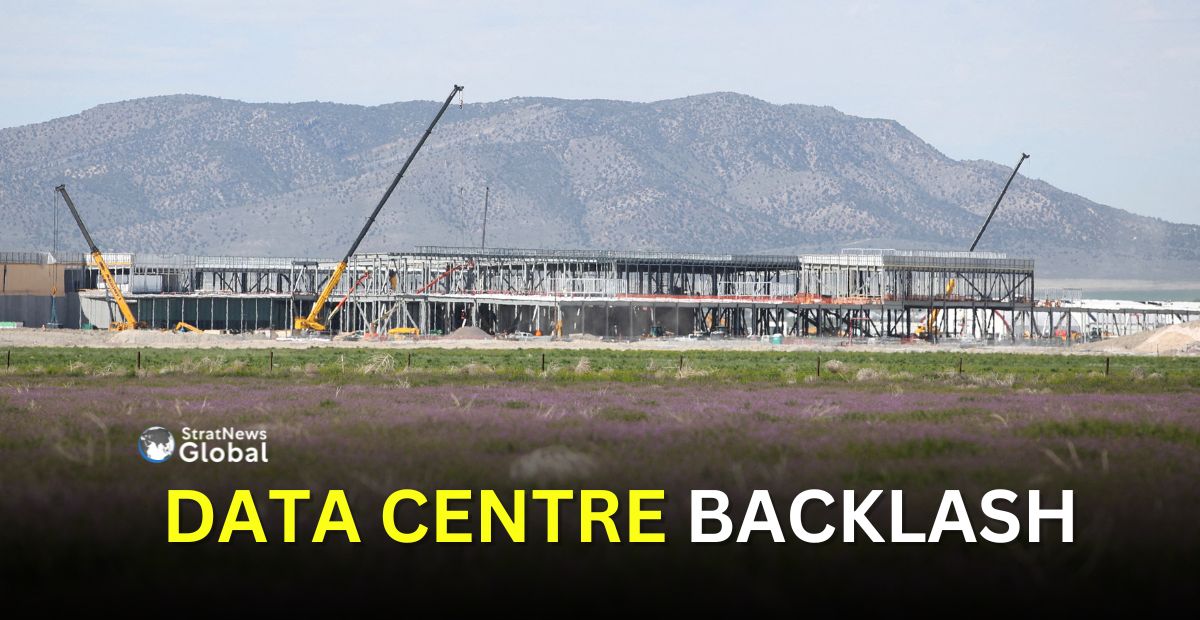
After overtaking Singapore as Southeast Asia’s fastest-growing data centre hub, Malaysia is coming under increasing scrutiny as concerns over the industry’s heavy demand for land, water and electricity gain traction across emerging Asia.
In Johor, the epicentre of the country’s data centre boom, residents have staged rare protests against a proposed data centre complex. Meanwhile, in Selangor—Malaysia’s richest and most populous state—the rapid expansion of the sector has sparked a political debate over its impact on local communities and public resources.
The backlash marks a shift for Southeast Asia, which has aggressively courted AI-driven data centre investment with cheap land and power. It mirrors concerns previously seen in Ireland, the Netherlands and Singapore, where rapid growth raised questions over water and electricity use.
In response, developers are adopting more sustainable practices. Johor-based operators are turning to treated wastewater, renewable energy and water-efficient cooling systems to reduce their environmental footprint and maintain public support.
Even so, community opposition remains a growing challenge. Consultancy JLL estimates resident objections contributed to delays of at least three months for more than half of data centre projects worldwide last year.
Renewable Energy, Local Content
New data centre projects in Johor must now demonstrate secure electricity supplies, with renewable energy increasingly required for approval. The state has also banned two categories of highly water-intensive facilities that can consume up to 50 million litres of water a day.
Selangor has opted for stricter screening instead of outright bans, requiring projects to meet global energy and water efficiency standards while mandating 30% local content in areas such as chip design and cooling systems. State investment councillor Ng Sze Han said the aim is to ensure greater benefits for the local economy.
The tougher rules have fuelled criticism from opposition groups, which argue large-scale projects favour corporations over communities. Analysts say tighter scrutiny could push some investment towards countries such as Thailand, though Johor remains attractive due to its strong infrastructure, government support and resource availability.
Singapore Spillover
Johor attracted about $35 billion in data centre investments during Singapore’s 2019–2022 moratorium, drawing global firms including Amazon, Microsoft, Tencent and Alibaba. Despite tighter approvals since 2024, the state’s planned capacity is expected to grow eightfold to 7,000 megawatts, according to JLL.
The rapid expansion has sparked local resistance. In February, residents in Iskandar Puteri protested a 300-megawatt ZDATA project, citing concerns over water supplies, construction dust and the loss of green spaces. While ZDATA denied causing water shortages, residents said the area’s changing landscape had diminished its appeal.
(With inputs from Reuters)