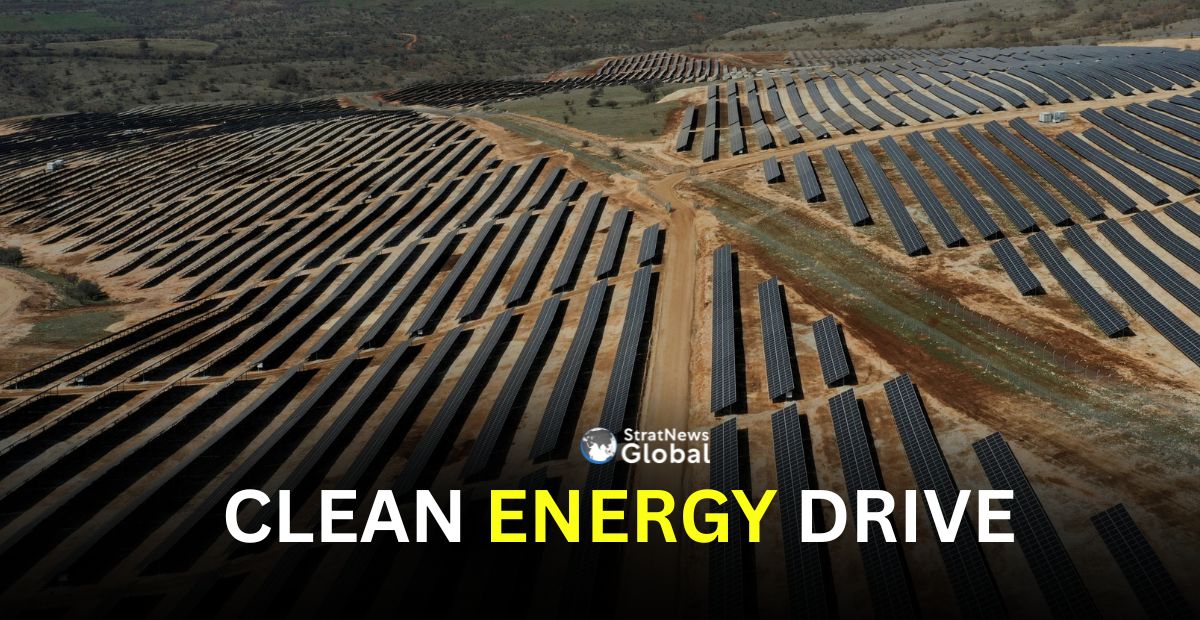
Bangladesh has introduced tax incentives and other measures to accelerate the expansion of solar energy as it works toward its goal of generating 20% of its electricity from renewable sources by 2030. The move comes amid power supply pressures linked to the U.S.-Iran conflict and recurring electricity outages.
The incentives, which took effect on July 1 under the latest national budget, include eliminating customs duties on solar equipment and exempting solar power producers and suppliers from income tax on earnings generated from solar energy, according to the National Board of Revenue. Institutions that use solar power will also receive a tax rebate equal to 5% of their electricity bills over the next five years.
The effort is primarily aimed at encouraging construction companies to build solar energy projects for industry, including garment manufacturers, which account for about 11% of Bangladesh’s economic output.
But some advocates said additional reforms are needed to reach more people, especially those living in small towns and villages where installing household systems may not prove as profitable.
Bangladesh has unveiled tax breaks and other incentives to boost solar energy as it targets generating 20% of its electricity from renewable sources by 2030 amid power supply challenges and frequent outages.
Effective July 1 under the latest national budget, the measures include scrapping customs duties on solar equipment, exempting solar power income from tax, and offering institutions using solar energy a tax rebate worth 5% of their electricity bills over the next five years, according to the National Board of Revenue.
Missed Targets
The incentives come as Bangladesh seeks to revive its renewable energy ambitions after missing earlier targets, including generating 10% of electricity from renewables by 2020. Renewables currently account for about 5% of installed power capacity, according to the Sustainable and Renewable Energy Development Authority.
The measures are expected to spur rooftop solar and large-scale projects. Tax breaks could cut rooftop installation costs by 30%–37%, said Hasan Mehedi, CEO of climate advocacy group CLEAN. Bangladesh has 1,515 MW of installed solar capacity, and adding 2,000 MW of rooftop solar could save $476 million to $1 billion annually by reducing fossil fuel imports, according to a 2023 IEEFA estimate.
Small Households
Experts warn the incentives could overlook rural areas, where nearly 70% of Bangladesh’s population lives, unless communities pool demand for shared solar projects. Bangladesh must add about 760 MW of renewable capacity annually to meet its 2030 target, far above the roughly 228 MW added each year over the past three years, according to IEEFA.
While the government has allocated 171.93 billion taka ($1.40 billion) to the power sector, only about 2% is earmarked for renewables. IEEFA estimates annual renewable investment must rise from $238 million to nearly $1 billion by 2030. Analysts say tax breaks should be complemented by low-cost financing to ensure households and small businesses can benefit from the transition.
(With inputs from Reuters)