Beijing says Pacific nations are ‘not anyone’s backyard’ as regional scrutiny over China’s military activities intensifies
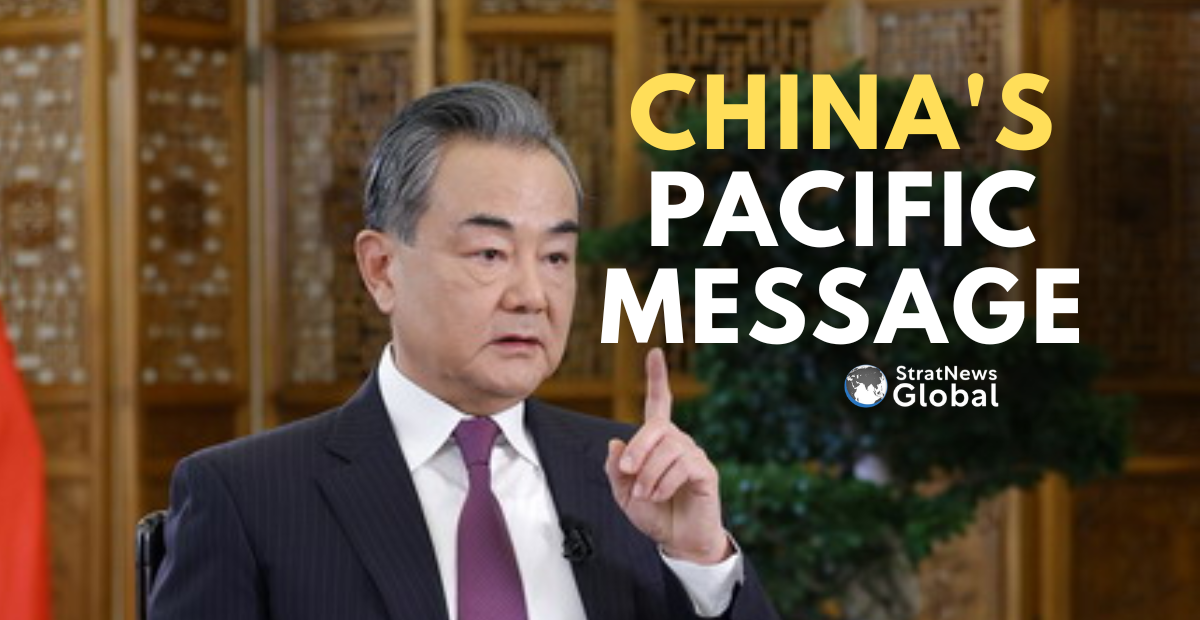
China has rejected accusations that it is seeking to establish a geopolitical “sphere of influence” in the Pacific, with Foreign Minister Wang Yi insisting Beijing’s engagement with Pacific island nations comes with “no political strings attached” despite growing regional concerns over its expanding presence.
Speaking during talks in Beijing on Tuesday with Solomon Islands Foreign Minister Rick Houenipwela, Wang said China has “no geopolitical intentions” in the Pacific and does not seek to dominate the region.
He stressed that Pacific island countries are independent and sovereign nations and “not someone’s backyard”, adding that China’s cooperation with them should not be subject to interference from any third party.
Missile Test Fuels Regional Concerns
Wang’s remarks come just a week after China test-fired a missile carrying a dummy warhead from a nuclear-powered submarine into the South Pacific, a move that drew criticism from several countries across the region.
The missile launch coincided with the signing of a new mutual defence agreement between Australia and Fiji, highlighting intensifying strategic competition in the Pacific.
Solomon Islands Prime Minister Matthew Wale, while describing China as “a good friend”, criticised the missile test, saying, “This is not something a friend does.” He also reaffirmed his government’s commitment to strengthening ties with Australia.
China Offers Reassurances
Seeking to ease concerns, Wang said Beijing remained committed to expanding cooperation with the Solomon Islands in areas including green energy, healthcare and climate change.
He reiterated that China’s partnerships are based on mutual benefit and are not imposed on Pacific nations, arguing that Beijing respects the sovereignty and independent choices of countries in the region.
Growing Strategic Competition
China has steadily expanded its diplomatic, economic and security footprint across the Pacific over the past decade, prompting increasing concern from Australia, the United States and their allies over Beijing’s growing influence.
The Pacific has emerged as an important arena of geopolitical competition, with both China and Western powers stepping up investment, infrastructure projects and security partnerships across the island nations.
Against that backdrop, Wang’s latest comments appear aimed at reassuring Pacific governments that China’s engagement is focused on development and cooperation rather than strategic dominance, even as regional tensions continue to rise.
(with inputs from Reuters)