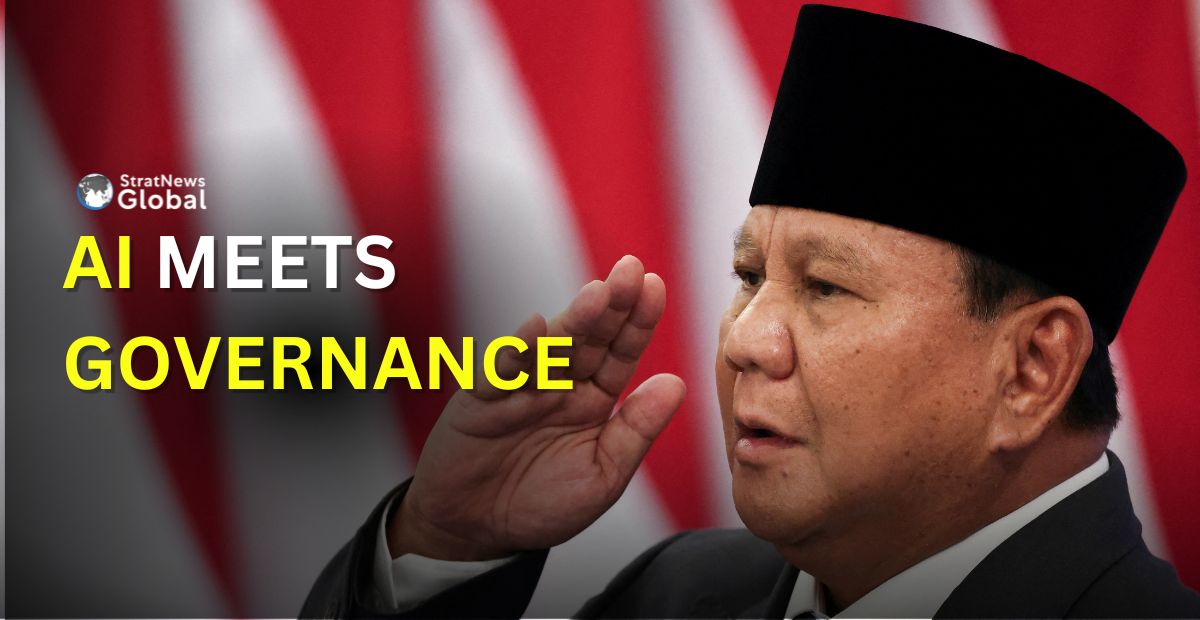
Indonesia plans to integrate artificial intelligence into several key government initiatives, including its $15 billion free school meals programme, according to a draft presidential regulation reviewed by Reuters. The move forms part of a broader strategy under which the government believes AI could boost the country’s GDP by as much as 12% by 2030.
However, Indonesia has lagged behind regional peers such as Singapore and Malaysia in AI development. Both countries have positioned themselves as emerging AI and data-centre hubs, attracting billions of dollars in investment from global technology firms seeking to expand infrastructure for cloud computing and artificial intelligence services.
Regional AI Race
The presidential regulation lays out a roadmap for ministries and regional governments to adopt AI from 2026 to 2029, targeting “economic growth through development, facilitation and use of AI especially in the president’s priority programmes.”
The draft has not been previously reported upon. It is currently awaiting President Prabowo Subianto’s signature.
The government says in its draft that another goal is to make Indonesia more competitive in AI use regionally and globally.
Companies like Meta Platforms , IBM and Microsoft contributed to the draft, said Wahyudi Djafar, a tech analyst who wrote parts of the regulation and is a member of the AI government task force. The companies did not immediately respond to requests for comment.
In 2024, Microsoft said it would invest $1.7 billion over a few years in expanding cloud services and AI in Indonesia.
Analysts say Indonesia is not ready to be an AI developer, owing to a dearth of infrastructure including chips, as well as a lack of AI skills in the workforce.
Derwin Suhartono, a professor of artificial intelligence at Bina Nusantara University in Jakarta, said Indonesia has yet to be competitive in the AI race and “may stay as a consumer of products that foreign companies sell to.”
He added that the government can use AI in its programmes with a structured and organised roadmap, but so far “it’s all rhetoric” at the execution level.
Free Meals
Under the draft, AI will support Prabowo’s free meals programme by designing regional menus, forecasting demand, monitoring kitchen hygiene and detecting irregularities, while also helping analyse health screenings and tuberculosis tests.
The programme has faced criticism over transparency, safety standards and spending, particularly after reports of food poisoning among thousands of children and allegations of irregularities in kitchen operations. The government argues AI can improve efficiency and reduce costs.
The draft also proposes a sovereign AI fund managed by Danantara Indonesia, incentives for AI researchers and measures to address talent shortages. It estimates AI could add $366 billion to Indonesia’s economy by 2030 and requires government agencies to report risks related to biometrics, intellectual property violations and deepfakes.
(With inputs from Reuters)