Israel will continue its operations on the ground in southern Lebanon for the time being, and Lebanese residents forced from their homes will not be able to return, Defence Minister Israel Katz said on Thursday.
His comments came a day after Lebanon and Israel said they had agreed to implement a ceasefire during talks in Washington.
The deal is contingent on a cessation of fire from the militant group Hezbollah, and signals that despite diplomatic progress, Israeli military activity in the region is far from over.
Troops To Stay, Infrastructure To Be Dismantled
In a statement, Katz said troops would remain in Israel’s so-called security zone in southern Lebanon, including in the area of Beaufort Castle, a 900-year-old fortress captured by Israel on Saturday.
He said Israel would continue to “dismantle terrorist infrastructure in the area” while retaining freedom of action, backed by the United States, to strike in Beirut in response to attacks on Israeli communities and territory.
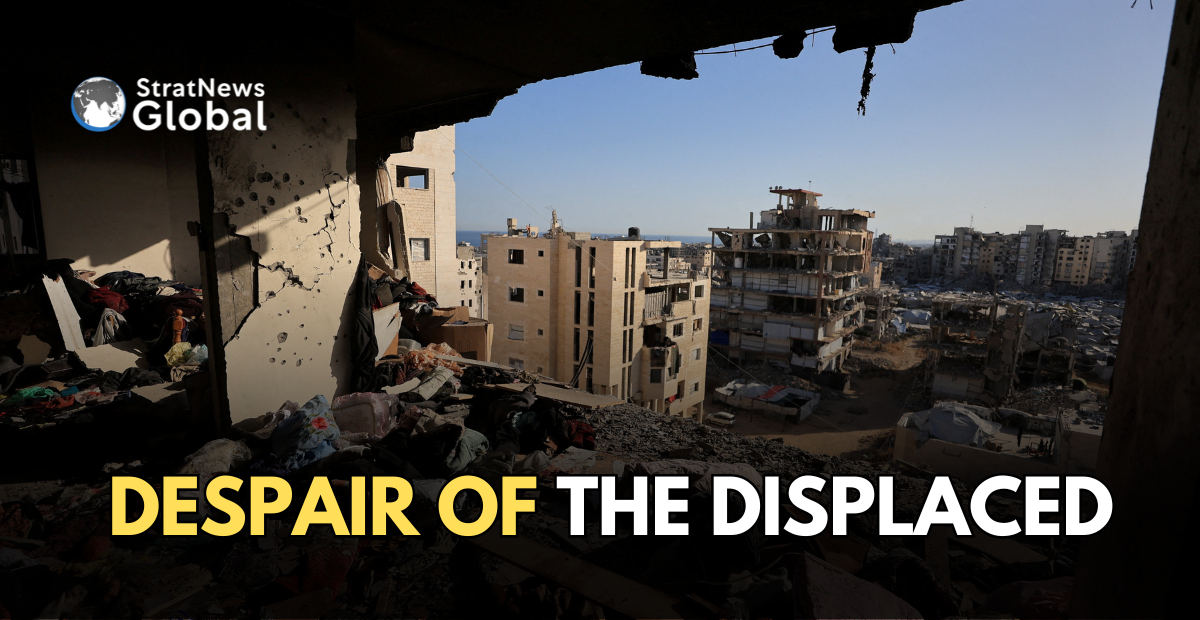
The continued Israeli military presence in southern Lebanon underscores the gap between a diplomatic agreement on paper and conditions on the ground, where troops remain deployed and residents remain displaced.
A Fragile Ceasefire
Lebanon and Israel agreed on Wednesday to a new U.S.-backed ceasefire in Lebanon. They had previously agreed to a cessation of hostilities in April, which was then extended in May, but violence has continued despite those earlier agreements.
The pattern of agreed ceasefires followed by continued conflict has raised doubts about whether the latest deal will hold.
With Israeli forces still operating inside Lebanese territory, Hezbollah yet to formally commit to halting fire, and tens of thousands of Lebanese residents still unable to return to their homes, the path to a lasting resolution remains deeply uncertain.
The situation continues to draw close attention from Washington, which has positioned itself as a key broker in efforts to stabilise the volatile border region.
(with input from Reuters)