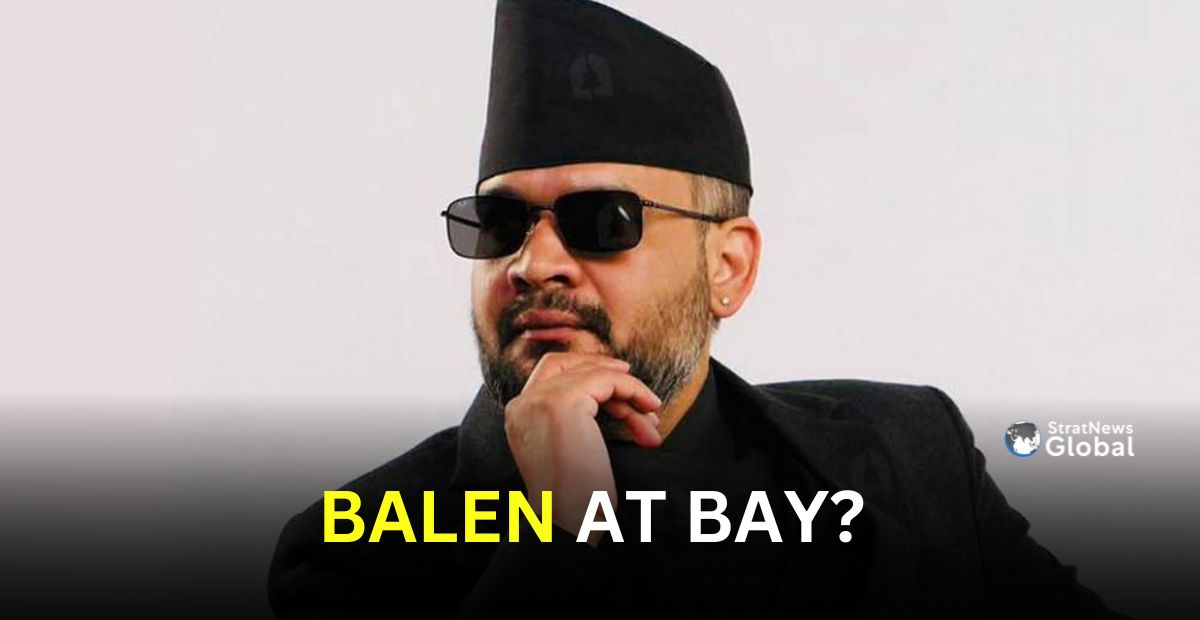
The Kathmandu Post called it “Balen-ce Sheet”: a list of eight issues that have put the government on the backfoot. These include the latest: the Supreme Court has stayed the prime minister’s controversial move to ban student politics and trade unions in public institutions.
The court on Tuesday stayed the implementation of the proposal that sought to remove politically affiliated student unions from universities and restrict trade union activity in state bodies. It’s part of the Shah government’s ambitious “100-point reform plan”, unveiled soon after taking office. The administration argued that universities and government institutions had become overly politicised, hurting efficiency and governance.
Shah had argued on X “Banning party flags in schools and bureaucracy will not seize the rights of students and employees, but strengthen professional freedoms. For years, many organizations have become “sleeper cells” for political parties rather than prioritizing the welfare of students and employees.”
But many young Nepalis who once backed Shah as an anti-establishment figure are now criticising the move. They accused the government of attempting to reduce democratic space under the guise of reform. Critics argued that student politics has historically been deeply tied to Nepal’s democratic movements, including protests against the monarchy and political authoritarianism.
“All the student unions condemn this decision,” student leader Lokesh Kumar Khadka said, calling the move “completely wrong”. He also accused the prime minister of displaying a “dictatorial nature” by denying space for political ideology within universities.
Balen’s eviction drive in Kathmandu has also drawn ire with powerful NGOs like Amnesty International and even the United Nations criticising it. Forty-five days into his government, Balen Shah is probably beginning to understand that that politics and government is hard work requiring patience, compromise and the willingness and ability to reach out to your worst detractors.