The cease fire agreed upon between Iran and the US is riddled with with far too many uncertainties. It is at best a face saving off ramp brokered by Pakistani, Egyptian and Turkish initiatives but largely owing to Pakistan’s reach with the Trump Administration. There are many conflicting issues to be resolved, the principal ones being:
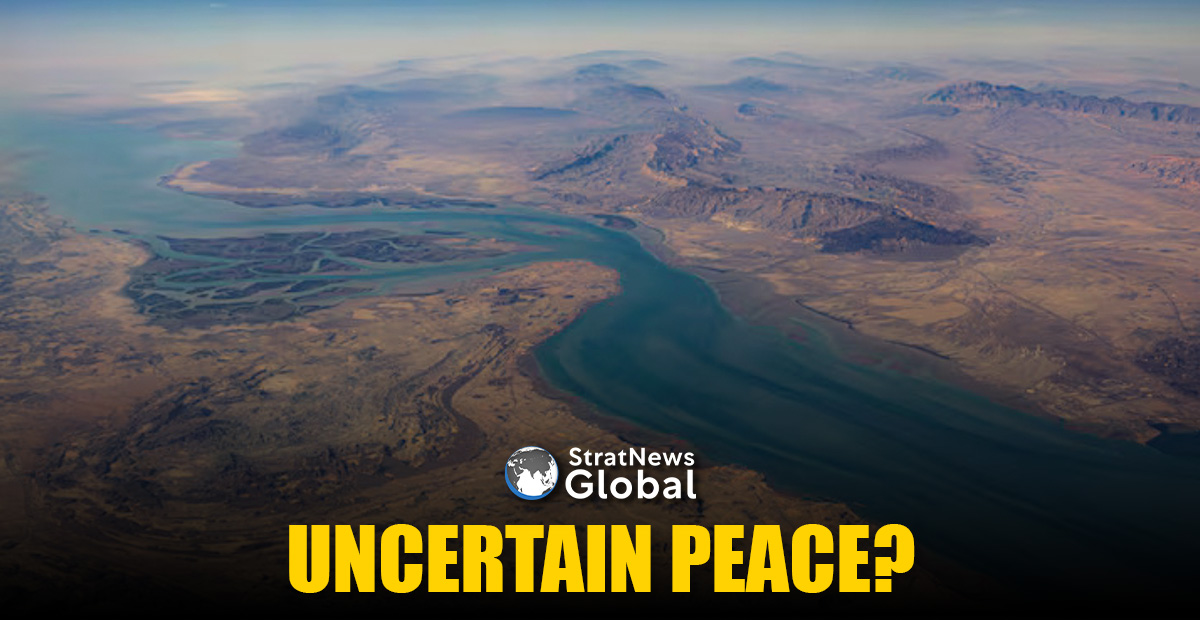
–Management of the Strait of Hormuz and the nature of Western/US influence. Having tasted blood, Iran is unlikely to succumb to US pressure.
–As regards regime change in Iran, it appears that moderate elements have come out who are probably in a better position to negotiate than hardliners like Mojtaba Khamenei and others. Here the role of the IRGC (Iran Revolutionary Guard Corps) will be important.
–The next issue is nuclear capabilities and the future of Iran’s enriched uranium. Tehran will play hard ball and link it to reparations and security guarantee? Missile and drone capabilities will also be thrown in the ring but of a lower order.
The Arab Gulf states whose security edifice was built on US guarantees are deeply rattled. They are worried about their future and most important, the credibility of US and Israeli security guarantees. It’s clear that the existing security framework the Gulf Arabs have relied on has been irretrievably diluted.
The future of the royal families that preside over these sheikhdoms is shaky and their control over their kingdoms could get impacted. The US presence in the region has been heavily impacted with majority of their bases destroyed and damaged. This will enhance the vulnerability of these states. There is also anger about the US being overly influenced by Israel.
The major concern is what will be the state of Iran post conflict resolution? What kind of frame work can the US impose?
The future of business and safe haven for large companies like Google, Amazon and so on is at stake. Closely tied to their future is the invincibility of Western control over the Strait of Hormuz, which has been shattered. Iran will always be part of the Hormuz equation much to the chagrin of the US and the Gulf States.
It will reinforce Iran’s hegemonic shadow over the region once sanctions are lifted. How this could play out needs to be watched.
Iran is probably aware it cannot have unilateral control, so how will it leverage its position. There are some signs of collaboration with Oman. Dilemma is that the US will play hardball, seeking free transit while for Iran, it will see the strait as an important source of revenue.
Damage to Arab petrochemical facilities will take a minimum of three to six months to repair and restore. During this period Iran with relatively untouched oil facilities will be the main supplier. This will be a critical issue on which agreements have not only to be reached but reinforced, the sooner the better.
The Iranian leadership will also have to take a call on the post-ceasefire scenario. The hold of the Islamist leadership appears to be weakening and the IRGC may end up calling the shots. Can the moderates like the foreign minister and the speaker act as a restraining influence?
Other key issues centre around the future of enrichment. If Iran gives up its right to enrichment, what will be the terms underlying this concession?
Iran’s relations with the Arab states is another issue as also management of proxies. There are far too many moving parts which need to addressed. National buildup requires resources, can Iran leverage Arab investments that act as surety and mutual cooperation?
The author is Executive Director of the Forum for Security Initiatives