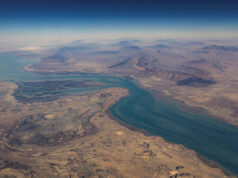
In July last year, the online ModernDiplomacy.Eu carried an analysis titled China’s Gigantic Hydropower Dam In Tibet: Green Energy Or The Weaponization of Water? It was basically about the Medog Dam on the Yarlung Tsangpo (Brahmaputra in India) that is expected to generate 60 GW of hydropower when completed.
While a hydropower project has a lower carbon footprint, the fact that a dam is being built on a river that provides livelihoods to millions down stream raised suspicions about China’s intentions: was it weaponizing water, did it intend to do so in the future? China has refused to sign any water treaty with any of its neighbours, expressing only goodwill which fools nobody.
Weaponising Water or Green Energy?
Water aside, what explains China flooding Tibet with green energy? Is it simply about climate targets? The point is from towering hydropower dams to high-altitude wind farms, China’s renewable surge does more than generate electricity; it strengthens infrastructure, settlements, and potentially military reach near the India border.
Renewable Projects with Strategic Implications
Solar farms are spreading across central, western, and border areas in Tibet. While officially part of China’s clean energy agenda, many solar farms are located near highways, railways, airports, and military bases hinting at dual-use potential.
Dr. Y Nithiyanandam, who Heads the Geospatial Research Programme at the Takshashila Institution, told StratnewsGlobal that reliable renewables enable permanent settlements, infrastructure, and dual-use facilities near Himalayan borders.
Implications for India’s Security
Some projects lie 80–150 km from India, near Chigu Lake and Tawang, indirectly boosting PLA mobility with clear implications for India’s security.From large parks near Shigatse and Lhasa to smaller off-grid systems supporting radar sites near Pangong Tso, solar energy serves both civilian and strategic purposes.
“If the goal were only renewable energy, the implications would be limited,” he said, “but in reality, these installations help sustain activity in remote areas previously constrained by electricity availability. Lithium-ion battery storage at solar farms, for instance, could power essential functions when needed.
“Surplus electricity can be routed to nearby provinces, not just used locally. Additionally, skilled labour brought in for these projects could shape local demographics over time.”
Wind energy is growing fast, he said, with high-altitude technologies such as turbine stability, cold-weather adaptations, and remote monitoring. Projects near Nagqu (350 km from India) and Baxoi (150 km from Arunachal Pradesh) highlight China’s push to harness plateau winds while supporting settlements and strategic presence.
He noted system-wide integration: initiatives such as the West-to-East power transfer programme and the Qamdo–Shenzhen UHV line convert plateau energy into a national resource. Surplus electricity could even be exported to Bhutan and Nepal over time.
“The expansion of power lines and supporting roads enables a more permanent presence near the border, which in a future crisis could sustain deployments longer and allow more personnel to operate closer to the frontier,” he warned.
But what can India do about it? Frankly little given China’s iron control over Tibet and the economic and military asymmetry that puts India at a disadvantage.
Please Read Dr. Y Nithiyanandam‘s works here :