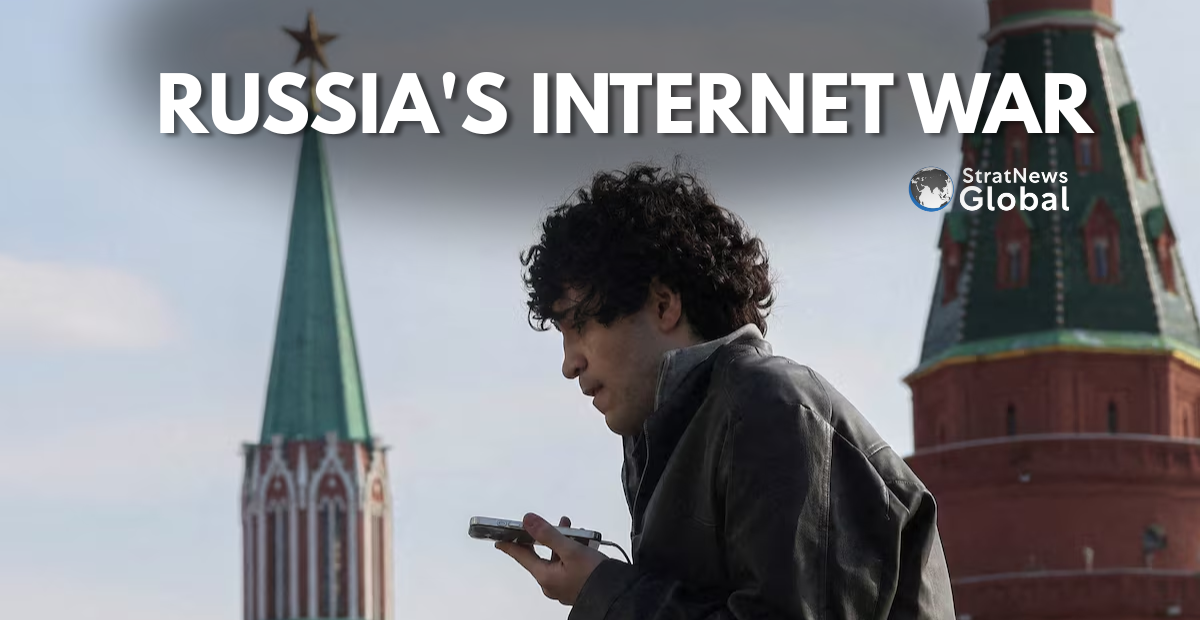
As Russia expands controls over the internet, many citizens are increasingly relying on VPNs, multiple devices and technical workarounds to access blocked foreign services and maintain contact with friends, clients and colleagues.
For many Russians, managing daily life online has become a balancing act. Popular platforms such as WhatsApp and Telegram face growing restrictions, while some Russian websites now block users who connect through VPNs. As a result, people often switch between different networks, applications and even separate phones throughout the day.
One Moscow-based interior designer told Reuters she uses a VPN to access foreign messaging services, disables it when using domestic websites that reject VPN traffic, and keeps a separate device for state-backed platforms such as MAX.
The Kremlin has justified the tightening controls as necessary for national security, particularly amid the ongoing conflict in Ukraine. Officials argue that restrictions are needed to counter external threats and protect Russia’s digital space.
VPN Use Surges
Demand for VPN services has risen sharply. According to data cited by Russian newspaper Kommersant, downloads of the five most popular VPN applications from Google Play reached 9.2 million in March alone, around 14 times higher than the same period a year earlier.
Digital rights activists say the growth reflects an unprecedented effort by ordinary Russians to bypass online restrictions.
The state communications watchdog, Roskomnadzor, has blocked access to hundreds of VPN services in recent years, forcing users into a constant cycle of finding new tools as older ones become inaccessible.
Polling data suggests the trend is becoming mainstream. According to the independent Levada Centre, the share of Russians who admit using VPNs has increased from 23 per cent in 2022 to 36 per cent this year.
Growing Impact on Daily Life
The restrictions have increasingly affected everyday services beyond social media.
Authorities have periodically shut down mobile internet access in various regions, citing concerns that Ukrainian drones could use telecommunications networks for navigation.
Businesses have also felt the impact. Earlier this year, government agencies, banks and online retailers began restricting access for users connected through VPNs. According to market data, the move contributed to a decline in traffic for some major e-commerce platforms.
During a lengthy internet disruption in Moscow, delivery drivers reportedly relied on shop Wi-Fi networks to download navigation routes, while sales of paper maps more than doubled.
Push for “Digital Sovereignty”
The government has encouraged citizens to migrate towards domestic digital platforms as part of its broader drive for what officials describe as “digital sovereignty”.
MAX, a state-backed messaging platform launched last year, has rapidly expanded and reportedly attracts tens of millions of daily users.
However, critics and some technology experts have raised concerns about privacy and surveillance risks. Many users remain cautious, with some choosing to keep state-backed applications on separate devices.
Even among government officials, Reuters reported that some continue using VPNs and multiple phones to separate personal and official communications.
Political Risks for the Kremlin
The internet crackdown has generated frustration among some Russians, particularly as it coincides with inflation, tax increases and growing fatigue over the war in Ukraine.
Opinion polls indicate President Vladimir Putin saw a decline in approval ratings earlier this year, although support has since stabilised.
With parliamentary elections approaching in September, concerns have emerged that internet disruptions could complicate campaigning and voter mobilisation efforts, including for the ruling United Russia.
Recent signals from the Kremlin suggest officials may be seeking a more balanced approach. President Putin has called for ensuring that essential online services remain operational, while some proposed measures targeting VPN users have reportedly been delayed until after the election.
(with inputs from Reuters)