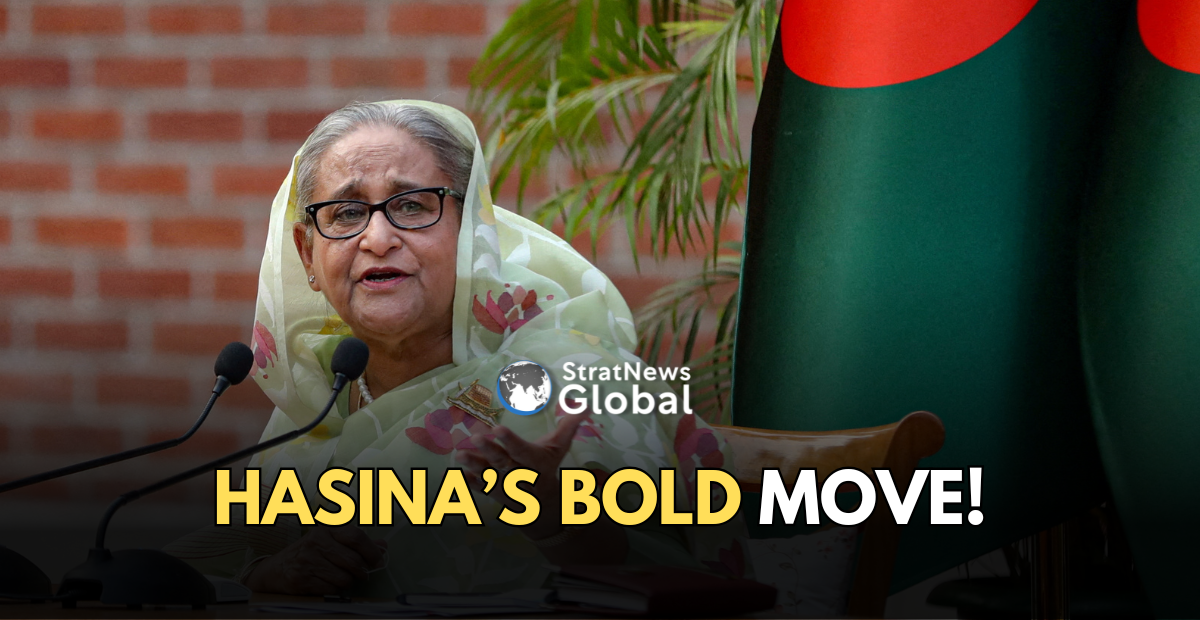
It’s been a little over two weeks since Sheikh Hasina, ousted former prime minister of Bangladesh, announced her decision to return to her country sometime in December. Is the December date tied to the anniversary of the liberation of Bangladesh, her father Sheikh Mujib’s role and giving time for her Awami League partymen to hit the streets and demonstrate their power?
There may be a score of such calculations. For all we know, she may be in discussions with the ruling BNP, which had opposed the curbs on the Awami League by the then interim administration of Mohammad Yunus. For the record, Zayed Ur Tahman, adviser to current PM Tarique Rahman, has said that he ‘welcomes’ her return but she must face the justice system.
What kind of legal process will she be put through when she has already been condemned to death by the International Crimes Tribunal in Nov last year? By all accounts, the proceedings of the tribunal were seen as neither fair nor transparent.
As Riva Ganguly, India’s former high commissioner to Bangladesh, says, “Hasina’s announcement about returning has put the entire political system in a bit of a dizzy state. Now, it is almost like the Dhaka government doesn’t know what to do with her.”
The Dhaka dispensation is probably justified in fearing a major law and order situation.
“It is possible that a mob or crowd could come to receive her and the reverse could also be true where the Jamaat organises people,” she warned. In other words, her life would be in danger.
Ganguly believes Hasina’s announcement may stem from the need for political survival, to rebuild her legacy, and energise her partymen.
“Hasina has always been bold that way. We have to accept that. She has faced adverse situations in the past also and has never been afraid to deal with such situations head-on,” Ganguly said.
“Had Sheikh Hasina stepped down and handed it over to somebody, the return of Awami League to the political landscape in Bangladesh would have been easier”, argues Sreeradha Datta, professor at OP Jindal University.
However, as Hasina has not named anyone in her place, there is nobody else who can keep the Awami League’s cadres motivated. This is in sharp contrast to what happened when Tarique Rahman moved to London; his mother, Begum Zia and other top leaders were there to hold the fort.
If Hasina does follow through on her plan to return of her free will, what happens to Dhaka’s demand for her extradition, made shortly after her conviction by the tribunal last year? As far as India is concerned, “Any extradition matter is a legal issue, and it will be dealt with accordingly,” was the word from External Affairs Ministry spokesman Randhir Jaiswal.
Ambassador Riva Ganguly and Prof Sreeradha Datta both believe her return will be based on a negotiation or agreement with the BNP.
“Hasina didn’t come to India as a convict, she came as a former PM,” Ambassador Ganguly pointed out, “And she did not run away from there. She was brought in by her own army. So her extradition is not just a legal thing but a political one and needs a political solution.”
The resignation of her ally, Mohammad Shahabuddin, as president, suggests the BNP is clearing the decks ahead of her potential return. This may not be a negative. His continued presence may invite claims or charges that the BNP is in collusion with the man seen as Hasina’s president. How politics develops in Bangladesh leading up to December must be closely watched.