The Trump administration’s proposal for a Western critical minerals trading bloc is encountering resistance from both key allies and sections of the mining industry, complicating efforts to reduce dependence on China for strategic resources.
The initiative, first outlined by Vice President JD Vance in February, seeks to strengthen Western supply chains for minerals essential to technologies ranging from semiconductors to defence systems. The plan would support production through measures such as subsidies, guaranteed purchases and price mechanisms designed to counter what Washington sees as Chinese market distortions.
Allies Push Back
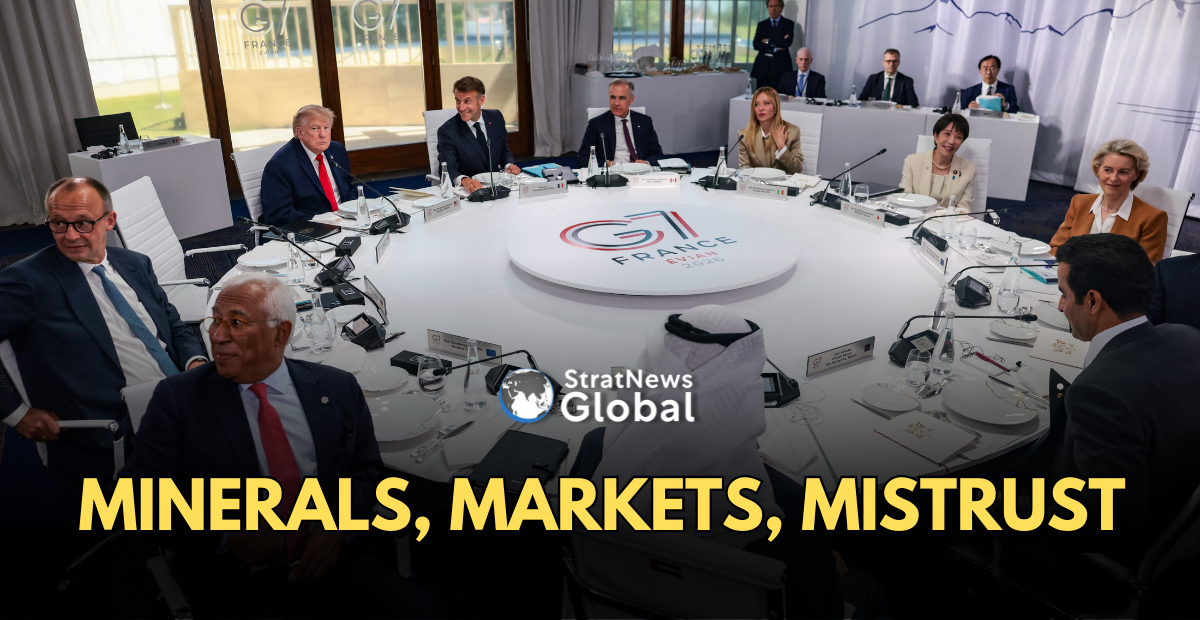
However, negotiations with G7 partners have exposed significant disagreements. European and Canadian officials have raised concerns about governance, funding responsibilities and the extent of market intervention required to make the bloc work.
The AI Pricing Dispute
One of the most contentious issues is a U.S. proposal to use a Pentagon-developed artificial intelligence system to help determine mineral prices. European governments are wary of relying on a Washington-controlled model and are instead exploring alternative pricing mechanisms that would be managed more independently.
Differences have also emerged over how the bloc should be structured. While countries such as Canada and France favour a multilateral, G7-led framework with permanent oversight, the Trump administration has pushed for a series of bilateral agreements that could later be expanded into a broader network.
Industry Divided
The mining industry itself remains divided. Companies generally support efforts to strengthen Western mineral supply chains but disagree over whether governments should intervene directly in pricing. Some industry groups argue that tax incentives and investment support would be more effective than price controls.
Despite the challenges, the Trump administration is seeking to finalise binding bilateral agreements with Japan and the European Union before the end of June on critical minerals. Proposed arrangements could cover a range of strategically important materials, including rare earths, graphite, tungsten and antimony.
The outcome of the negotiations could shape the future of Western industrial policy and determine how successfully the United States and its allies can reduce reliance on Chinese mineral supplies.
(With input from Reuters)