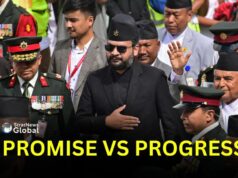
When the United Arab Emirates walked away from OPEC, it was not a sudden rupture but the culmination of a long, deliberate shift in strategy. As former ambassador Navdeep Suri makes clear, the signs had been visible for years. The UAE, a low cost producer that has invested heavily to expand capacity, had grown increasingly frustrated with production quotas that capped its ambitions.
At the heart of the decision lies a simple calculation. Abu Dhabi wants the freedom to pump more oil, monetise that advantage, and channel revenues into a post oil future spanning artificial intelligence, data centres and diversified investments. With capacity expected to rise towards five million barrels per day, remaining constrained within OPEC made diminishing strategic sense.
Suri argues this is part of a broader Emirati pattern. From normalising ties with Israel to pursuing independent regional policies, the UAE has shown a willingness to break ranks when national interest demands it. The OPEC exit is, in that sense, less an outlier and more the next logical step in an evolving doctrine of strategic autonomy.
That said, geopolitics has not been irrelevant. The timing of the announcement, amid heightened regional tensions and during high level Gulf consultations, suggests that friction with key players such as Saudi Arabia and Iran may have influenced the moment, even if not the core decision.
For OPEC itself, the implications are significant. The cartel’s influence has already been eroding, squeezed by the rise of non OPEC producers, especially the United States, now the world’s largest oil producer. As OPEC’s share of global output declines, the exit of a major producer like the UAE further weakens its ability to shape markets. Suri even hints that others could follow, raising questions about whether the organisation has passed its peak relevance.
For India, however, the long term outlook may be more favourable. In the short run, ongoing regional instability and supply disruptions are keeping prices elevated. But once markets stabilise, increased Emirati output could help moderate prices. Every dollar drop matters for India, where oil imports heavily impact the economy.
More importantly, India’s deep energy relationship with the UAE offers strategic advantages. From upstream equity stakes in Abu Dhabi’s oil fields to strategic petroleum reserves and strong bilateral ties, New Delhi is well positioned to secure favourable arrangements outside the constraints of a cartel framework.
The broader message is clear. The UAE is no longer content to operate within collective structures that limit its flexibility. It is betting on autonomy, scale and diversification. And in doing so, it may not just be reshaping OPEC, but the global energy order itself. Watch the full interview to get deeper insights from someone with extensive hands on experience on the region.