Home India India’s Democratic Credentials Strengthened By The Outcome, Say UK And Aussie Analysts

India’s Democratic Credentials Strengthened By The Outcome, Say UK And Aussie Analysts

Select Preferred on Google News

The world’s largest democratic exercise is over. India’s general elections have concluded with Narendra Modi set to take office as Prime Minister for a third consecutive term, albeit as head of a coalition this time, unlike the two previous terms in which he led majority governments. Most analysts have hailed the return of the coalition era in Indian politics after a decade of majority government. Coming days will provide more clarity on the composition of the cabinet.

For Prime Minister Narendra Modi, this is unfamiliar territory. For over two decades, he has headed governments with full majority, first as chief minster of Gujarat and then as prime minister in the last 10 years.

Modi 3.0 suggests he may have to curb his instincts, accommodate demands from fickle allies on domestic policies but one aspect in which the new government is likely to continue its previous approach is in the foreign policy space.

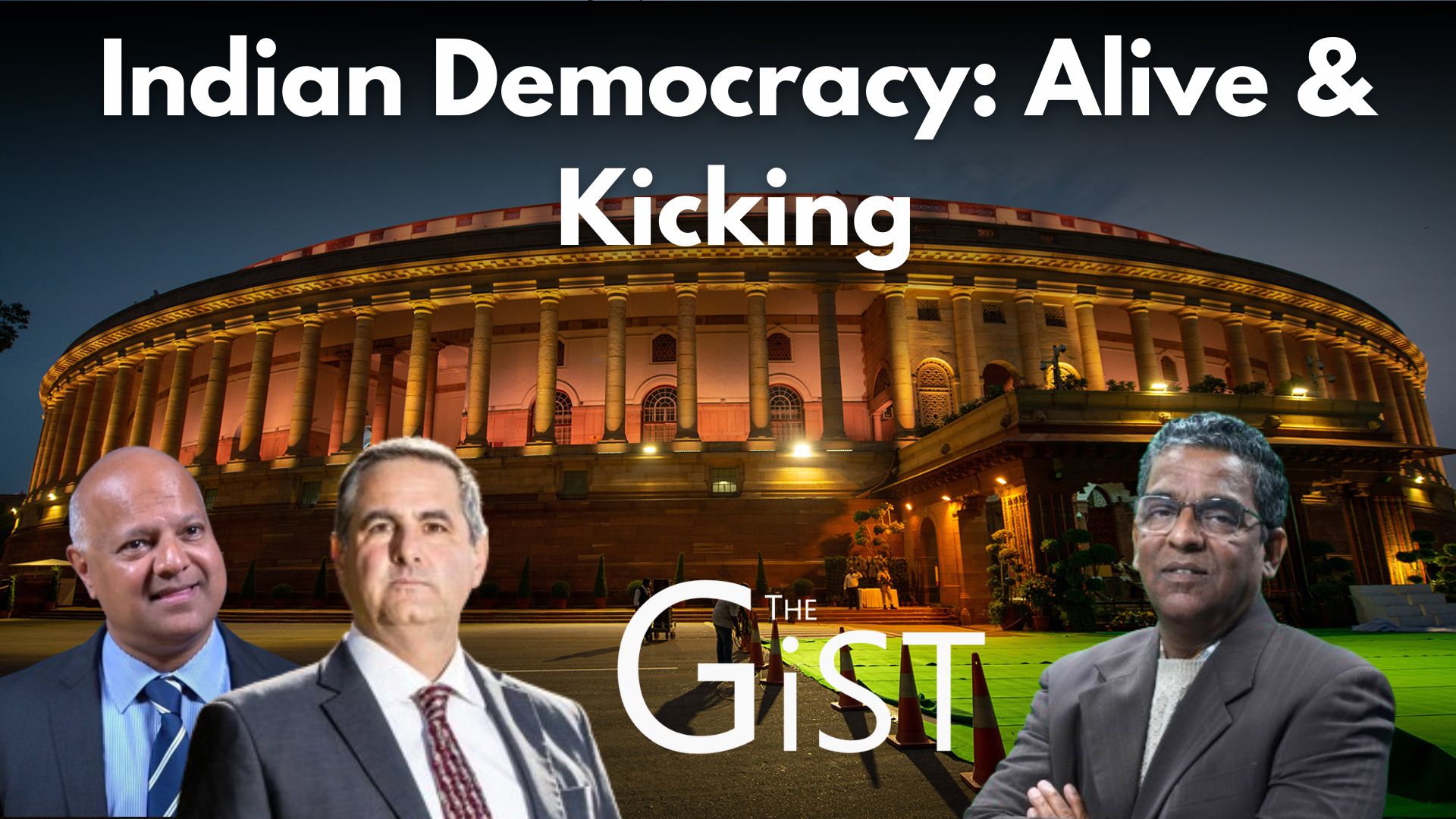
Salvatore Babones, Associate Professor at the Sydney University in Australia and a keen India observer, feels all talk about backsliding of democracy in India is based on faulty and opaque surveys that do not do justice to the vibrant democracy that India is.

Rahul Roy Chaudhary, Senior Fellow for South and Central Asia at the London-based International Institute for Strategic Studies (IISS), says in the UK, there is an understanding that India’s foreign policy will not change much even if Modi is now heading a coalition. He says Modi may face resistance in domestic affairs but in foreign policy aspect will not get impacted much since the smaller regional parties may not have too many stakes on the international relations front.

Previous articleVietnam Arrests Facebook Critics For “Abusing Democratic Freedoms”
Next articlePoland: Russia, Belarus Pushing Migrants In Hybrid War
Nitin A. Gokhale
Nitin A. Gokhale is a communications specialist, media entrepreneur, strategic affairs analyst and author of more than a dozen books on military history, insurgencies and wars. One of South Asia's leading strategic analysts, Gokhale has moved on from conventional media to become an independent media entrepreneur running three niche digital platforms—BharatShakti, StratNewsGlobal and StratNewsGlobal.tech —besides undertaking consultancy and training workshops in communications for military institutions, corporates and individuals. An avid films and sports buff, Gokhale in fact started his career in journalism in 1983 as a sports reporter. Since then, he has, in the past 42 years, traversed the entire spectrum across print, broadcast and digital space. Now better known for his conflict coverage and strategic analyses, Gokhale has lived and reported from India’s North-east for 23 years between 1983 and 2006, been on the ground at Kargil in the summer of 1999 and also brought us live coverage from Sri Lanka’s Eelam War IV between 2006-2009. An alumnus of the Asia-Pacific Centre for Security Studies in Hawaii, Gokhale now writes, lectures and analyses security and strategic matters in Indo-Pacific and travels regularly to US, Europe, Australia, South and South-East Asia to take part in various seminars and conferences. Gokhale is also a popular visiting faculty at India’s Defence Services Staff College, the three war colleges, India's National Defence College, College of Defence Management and the IB’s intelligence school.