India and Canada have turned the corner on a troubled past, signalling a structured reset in ties anchored in energy security, critical minerals, trade negotiations and institutionalized security cooperation.
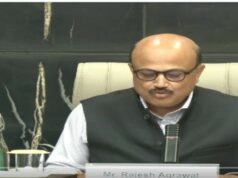
Senior diplomat P Kumaran told the media that discussions between visiting Canadian Prime Minister Carney and Modi were “constructive, forward-looking and grounded in strategic trust.”
“The visit is not just about normalization, but about renewed ambition,” Kumaran said, adding that the joint statement issued after talks provides a long-term political, economic and technological framework for the partnership.
Energy Trade
A joint statement issued at the end of talks said the two leaders agreed that stronger institutional engagement would support expanded bilateral energy trade across liquefied natural gas (LNG), liquefied petroleum gas (LPG), crude oil, refined petroleum products, potash and uranium.
A major commercial outcome was the conclusion of a long-term uranium supply agreement between Cameco and India’s Department of Atomic Energy. The arrangement, valued at approximately at $1.96 bn, will contribute to India’s civil nuclear power generation and long-term clean energy transition objectives.
The statement noted Canada’s plans to significantly scale LNG export capacity in the coming years. India, currently among the world’s largest energy consumers and LNG importers, conveyed its intention to explore sourcing LNG from Canada as part of supply diversification efforts.
Kumaran underlined that in the current geopolitical climate, reliable and diversified suppliers are critical to India’s long-term energy planning. He said that the two sides agreed to task the India–Canada Energy Dialogue with developing a joint work plan to address logistical and commercial barriers, including shipping costs and infrastructure alignment.
Critical Minerals
The joint statement highlighted the shared commitment to building resilient and diversified supply chains for minerals essential to clean energy technologies, advanced manufacturing and emerging strategic industries. India also endorsed broader global efforts aimed at responsible production and diversified sourcing of critical minerals.
The cooperation would include facilitating reciprocal investments, supporting commercial partnerships and exploring collaboration linked to India’s mineral stockpiling initiatives. A ministerial-led Indian delegation focused on energy and industry is expected to visit Canada later this year to advance commercial outcomes.
Kumaran described critical minerals as “central to energy transition and strategic autonomy,” adding that both sides see diversification as a risk-management imperative.
Clean Energy
The two governments also signed a Clean Energy Cooperation framework covering solar, wind, bio-energy, small hydro and energy storage.
India’s experience in large-scale solar deployment and grid-level storage solutions, alongside Canada’s plans to expand renewable electricity capacity significantly by mid-century, was underlined.
There will be a dedicated Joint Working Group to direct execution, and a Renewable Energy and Storage Summit is being planned later this year which will bring together government and industry stakeholders. The clean energy track is intended to support sustainable growth while strengthening regional resilience in the Indo-Pacific.
Trade Talks
On trade, the leaders agreed to advance negotiations toward an Early Progress Trade Agreement, with a shared objective of concluding discussions by the end of 2026.
During the Mumbai leg of the visit, Prime Minister Carney held extensive interactions in Mumbai with Indian business leaders, CEOs, innovators and educators. Discussions focused on infrastructure investment, financial services, advanced manufacturing, agri-food processing and clean technology.
Kumaran said these commercial engagements reflect “growing confidence among businesses in both countries” and signal a shift toward a more structured and reciprocal investment partnership.
Illegal Immigration
Kumaran confirmed that the two sides have agreed to further institutionalize cooperation through National Security Adviser-level engagement, counter-terrorism mechanisms and senior law enforcement dialogue.
He said liaison officers will be posted to strengthen real-time coordination and information-sharing on issues including: Transnational organized crime; Terror financing; Illegal migration networks and immigration fraud; and Extremist activities.
India reiterated its longstanding concerns regarding criminal elements operating from Canadian territory. Kumaran stated that such issues are being addressed through structured legal and investigative processes, including extradition cooperation and dedicated security dialogues.
On allegations reported in sections of Canadian media, he said India “categorically rejects unsubstantiated claims” and emphasized that sensitive matters should be handled through established legal channels rather than public speculation.
Both governments also agreed to progressively restore diplomatic staffing levels in their respective High Commissions, signalling continued normalization.
This is the first bilateral visit to India by a Canadian Prime Minister since 2018. This is described as a turning point after a period of strain.
Kumaran said the partnership is now anchored in “energy security, trusted supply chains, innovation collaboration and institutional security dialogue,” adding that both sides are committed to handling differences through established mechanisms.