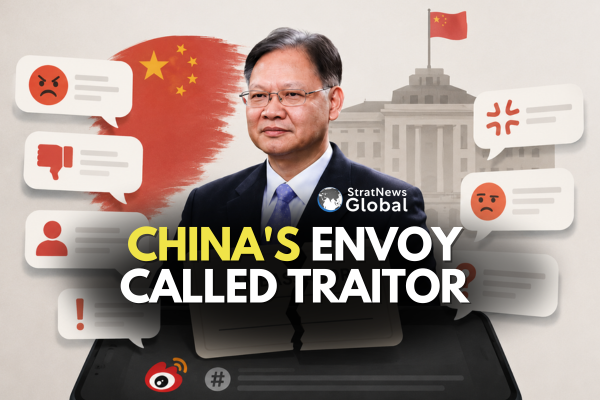
China’s netizens are a vocal lot, just about anything can get them venting on social media: this time it involves a gentleman by the name of Xu Feihong who is none other than China’s ambassador to India. Sample some of the comments about him on the microblogging website Weibo.
“The ambassador seems to have forgotten his actual job.”
“Give him another job. Even sweeping the streets would be a greater contribution than what he’s doing now.”
The next comment gives you a hint as to why he’s drawing all this vitriol:
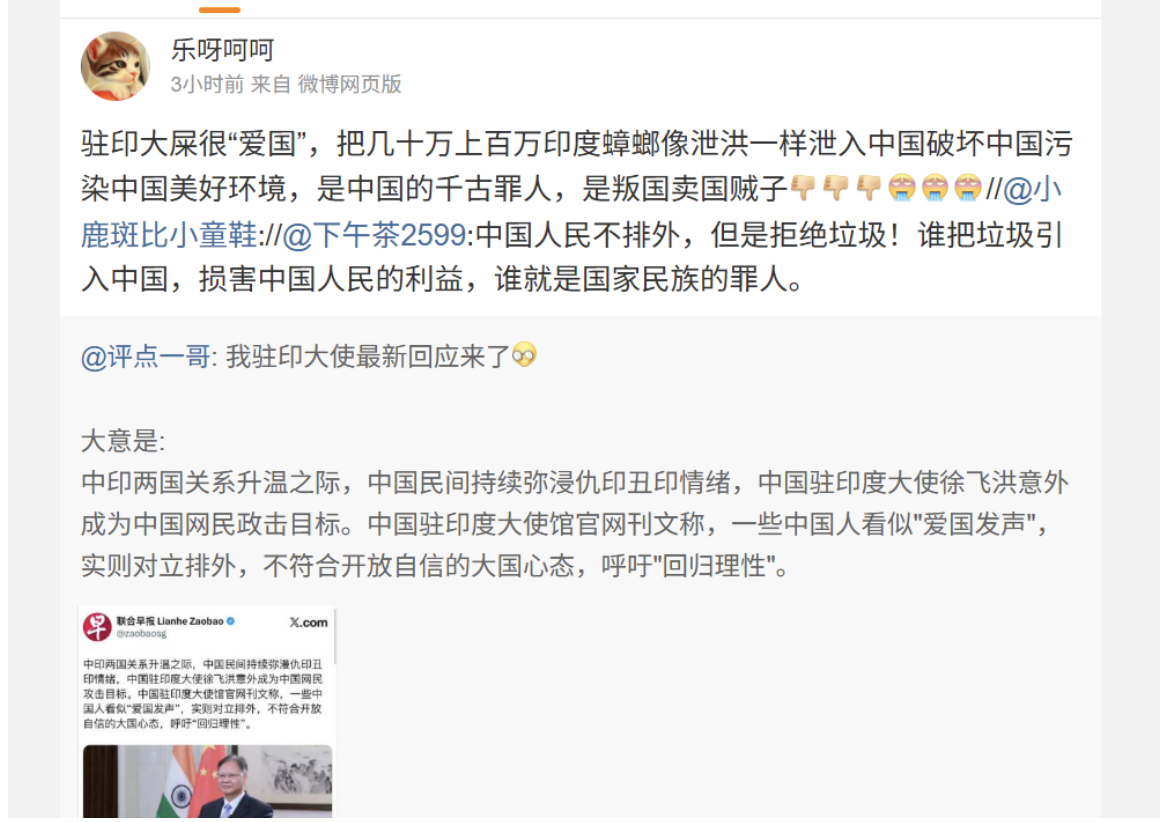
“The ambassador is really ‘patriotic’ to India. By letting hundreds of thousands, even millions, of Indian ‘cockroaches’ flood into China, he is destroying China and polluting our country. He is a traitor who has sold out the nation.”
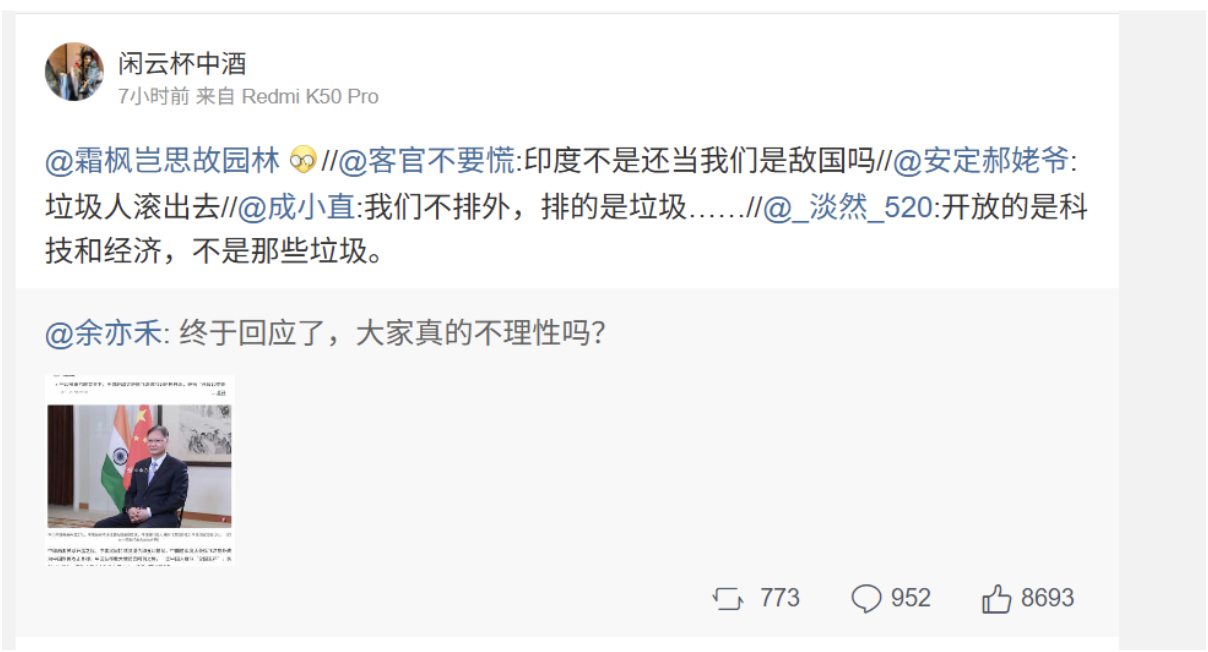
Another asked “Doesn’t India still consider us an enemy country?
Clearly, Indians entering the country either as tourists or businesspeople or students, has not gone unnoticed in the larger population. The Chinese Embassy in Delhi says it issued 85,000 visas to Indians in the first quarter of this year, quite a jump from the barren years that followed the Galwan crisis in 2020.
A grouse was that Beijing was easing travel restrictions while India applied tighter visa rules for Chinese citizens. Many blamed Xu for China’s “more open visa policy towards India”, and some even demanded his recall.
At this point the Chinese embassy stepped in, curiously not so much to defend the ambassador as to provide details about Indians going to China. More than 80% visas issued to Indian nationals were business visas, meaning they were coming for trade, to buy and sell which is good for the economy.
It acknowledged that India’s visa policy towards Chinese citizens remained restrictive but argued that New Delhi’s policies are evolving and warned that turning visa issues into an emotional campaign would only hurt efforts to improve bilateral relations.
The embassy also had a warning for Chinese social media, accusing them of sharing negative and sensational content about India, saying such posts spread stereotypes and misused patriotic feelings to gain views.
It said this kind of behaviour does not reflect the attitude of “a confident and open major power.”
The million dollar question is why China’s social media censors, who are generally quick to clamp down on anything remotely anti-government or anti-Communist Party, did nothing to remove the anti-Xu Feihong posts, even when they descended to ludicrous levels.
One widely circulated post claimed it was difficult to find videos of Xu speaking Chinese online and accused him of preferring English whenever possible. The user questioned why the ambassador had spoken in English even during events marking International Chinese Language Day, arguing that Chinese should have been the natural choice.
The embassy’s intervention also sparked debate within China academia. Xi Wuyi, a researcher at the Chinese Academy of Social Sciences, argued that the commentary wrongly dismissed legitimate public concerns as xenophobia. Meanwhile, influential current affairs account Ming Shu Chat defended Chinese diplomats, saying visa screening remains strict and that much of the criticism stems from misunderstandings about how overseas embassies process visa applications.