Ukraine and Russia resumed their U.S.-brokered negotiations in Abu Dhabi on Thursday, aiming to find solutions to end Europe’s most destructive conflict since World War II. Both Kyiv and Moscow described the first day as “productive and positive.”
Russian envoy Kirill Dmitriev said there was progress and a positive movement forward, while Ukraine’s top negotiator Rustem Umerov described Wednesday’s talks as “meaningful and productive, focusing on concrete steps and practical solutions.”
The second day followed a format of trilateral consultations, group discussions, and joint coordination of positions, according to Umerov.
Key Issues on the Table
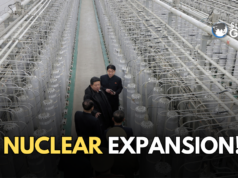
Despite initial progress, major hurdles remain. Moscow has demanded that Kyiv withdraw troops from the Donetsk region and reach agreements on the Zaporizhzhia nuclear power plant, Europe’s largest, currently under Russian occupation.
Ukraine insists that conflict lines remain frozen and refuses any unilateral troop withdrawals, while demanding control over the Zaporizhzhia facility. Analysts note that Russia currently occupies about 20% of Ukraine’s territory, including Crimea and parts of Donbas, and has gained roughly 1.5% more territory since early 2024.
U.S. Pressure and Military Involvement
The Trump administration has pressed both sides to compromise, though Kyiv and Moscow remain divided on core issues. This round of talks differs from previous attempts as Russia included military teams in the delegation.
Dmitriev also claimed that interference from European countries like Britain has occurred, framing U.S.-Russia cooperation as central to the negotiation process.
Reduced Violence Amid Talks
Following heavy Russian airstrikes on Tuesday, reports of attacks decreased on Thursday. Kyiv’s mayor reported two injuries from an overnight drone strike on the capital. The lull in violence offers a narrow window for dialogue as negotiators continue to work toward possible agreements.
with inputs from Reuters