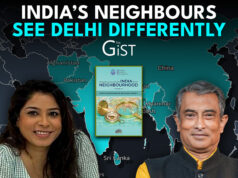
India’s relationship with Russia remains shaped by messaging rather than theatrics, says Nandan Unnikrishnan, Distinguished Fellow at the Observer Research Foundation, speaking as Prime Minister Narendra Modi and President Vladimir Putin hold the 23rd India-Russia Summit.
The first message, he says, is clear: India will not let other nations determine its diplomatic relationships, despite Western pressure to scale back ties with Moscow. The second is aimed at Russia’s domestic and international audience — demonstrating that Moscow is not isolated, despite Western attempts since the Ukraine invasion.
Unnikrishnan calls the timing symbolic, noting this is Putin’s first visit to India since the war began. On the diplomatic sparring seen in Indian newspapers — with European envoys criticising Russia and Moscow responding sharply — he describes the move as poor judgement and believes the unusually strong Russian rebuttal will discourage future attempts.
On trade corridors like INSTC and the proposed Arctic route, he says progress is slow because volumes are insufficient. Without enough commercially viable cargo movement, there is no urgency for governments or industry to complete infrastructure, though involving Southeast Asian and South Asian nations could eventually change that.
The Reciprocal Logistics Support Agreement, signed earlier this year, is described as routine — similar to Indian agreements with the US and others — allowing militaries to use facilities for rest, repairs, and supplies. Speculation about troop deployment is misplaced, he stresses, because India will not allow permanent foreign military presence on its soil.
On the India-Russia-China equation, he says geopolitical realities ensure these relationships overlap, and any long-term Asian security structure will eventually require agreement among all three — though that point remains distant. Yet trust between India and Russia is historically unique, he notes, pointing to decades of defence cooperation, including the leasing of a nuclear submarine.
The summit, he concludes, is less about dramatic announcements and more about aligning political direction and addressing trade imbalances before any big decisions follow.