The Central Committee of the Nepali Congress will meet in Kathmandu on Friday afternoon to make a crucial decision: should Gagan Thapa, party president since January, continue in his post despite losing the elections?
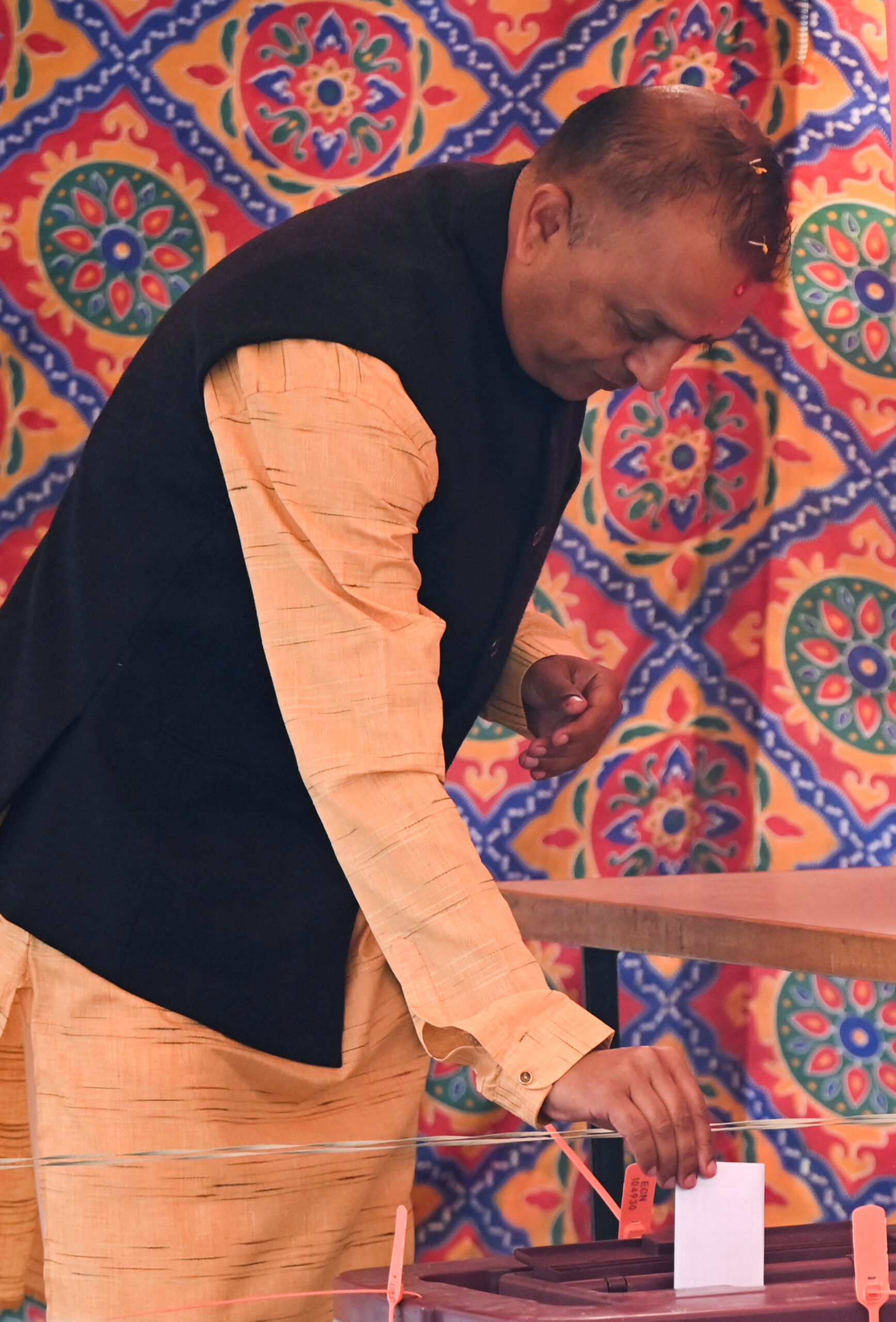
Thapa led his party to a dismal performance in the March polls, winning 38 seats. Thapa himself lost the Sarlahi-4 constituency in Madhesh province.
But Nepali Congress sources in Kathmandu told StratNewsGlobal over the phone that the central committee largely comprises supporters of Thapa and there are no discernible challengers to him at this point.
Even former prime minister Sher Bahadur Deuba is not expected to throw his hat into the ring to challenge Thapa. He was in fact assaulted during the GenZ uprising and has been in Singapore apparently for medical treatment.
The sense is his return will depend on the inquiry commission report into the lives lost in the GenZ uprising. Many heads are expected to be on the block, not only for excesses during the uprising but for acts of omission and commission (meaning corruption).
Thapa has something else in his favour: sources said the sentiment in the party maybe inclined to give him another chance. Party cadres seem to believe that Thapa had little time between taking over the presidentship (Jan 2026) and hitting the campaign trail (March), to build and implement a proper agenda.
He probably did not have enough time to rally and motivate his cadres who had been left demoralised by the GenZ revolt.
In fact, the party office in Sanepa, in the Lalitpur District of the capital, had been attacked by mobs and parts of it burnt. When StratNewsGlobal visited it ahead of the elections, the blackened walls and tiles testified to the fury of the mob. The library housing hundreds of books and papers had been set on fire.
Restoration work was underway even as party cadres streamed in to be briefed on election related work and on the piles of election material.
“The election result has been unprecedented,” a source told StratNewsGlobal. “For the first time somebody from the Madhes region has become prime minister. It reflects how much Nepal has changed.”
It also puts pressure on the Nepali Congress, which despite its storied lineage as the party that fought the monarchy to ensure democracy in Nepal, has fallen on hard times.
Leaders like Deuba are seen as complicit in the political instability that has plagued the country for years. In the graft and corruption that has tainted public life and dimmed the prospects of its youth.
Thapa is not among the GenZ. At 50 some would say he does not represent Nepal’s youth at all, but at this point the party may see a need for a steady, mature hand at the helm to steer it through uncertain times. Thapa may be that mature hand.