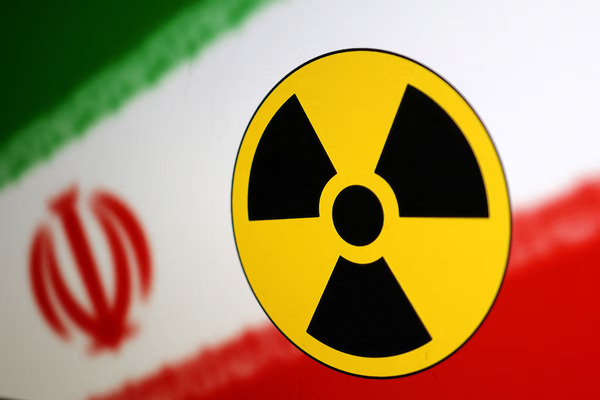
Nuclear talks with the United States allowed Tehran to gauge Washington’s seriousness and showed enough consensus to continue on the diplomatic track, Iran’s foreign ministry spokesperson said on Tuesday.
U.S. and Iranian diplomats held talks through Omani mediators in Oman last week in an effort to revive diplomacy, after U.S. President Donald Trump positioned a naval flotilla in
the region, raising fears of new military action.
“The Muscat meeting was not a long meeting. In our view, it was to gauge the seriousness of the other side and how to continue this path,” Baghaei said.
“After the talks, we felt there was understanding and consensus to continue the diplomatic process.”
The spokesperson said that a trip to Oman on Tuesday by Ali Larijani, an advisor to Iran’s Supreme Leader, was pre-planned to follow up on regional consultations, and that Larijani would next travel to Qatar.
Regarding the Israeli Prime Minister’s expected trip to Washington on Wednesday, Baghaei said the U.S. “must act independently of foreign pressures, especially Israeli pressures
that ignore the interests of the region and even the U.S.”
Iran’s Foreign Minister Abbas Araghchi hoped the talks would resume soon and in fact President Trump has indicated a round of discussions this week.
“An opportunity arose to shake hands with the American delegation”, Al Jazeera quoted him as saying. The talks were “ a good start” but “there is a long way to go to build trust”.
Iranians in the capital, Tehran, however, seemed less positive.
“In my opinion, like previous times, negotiations will end without results because both sides are sticking to their own positions and not willing to back down,” a woman who asked to remain anonymous told Al Jazeera.
Abdullah al-Shayji, a US foreign policy expert at Kuwait University, said he hopes for a new deal between the two foes but is not feeling optimistic.