NSA Ajit Doval conveys cautious optimism but undescores challenges at BRICS NSAs’ meeting.
“India welcomes the MoU reached between the US and Iran. We have got cautious optimism, and we hope that it will work. It will help energy security,” he said.
“The opening of the Strait of Hormuz is a very welcome development. It will remove supply chain bottlenecks and many of the shortages in the field of fertilisers and chemicals will be met with.
“The freedom of navigation that will be available to the countries in the region and beyond will probably also greatly improve our economic prosperity,” he said.
But he also underscored the challenges with respect to the international environment.
“We are meeting at a very tumultuous time. The world is beleaguered by military conflicts and complex security problems. It is facing geopolitical uncertainties, economic strains, and disruptive technology,” he said.
Warning that existing institutions were struggling to cope with emerging challenges, Doval added: “Not only are the threats compounding, but the instruments and institutional mechanisms are increasingly finding themselves inadequate to resolve or mitigate these conflicts. Multilateralism is on the decline.”
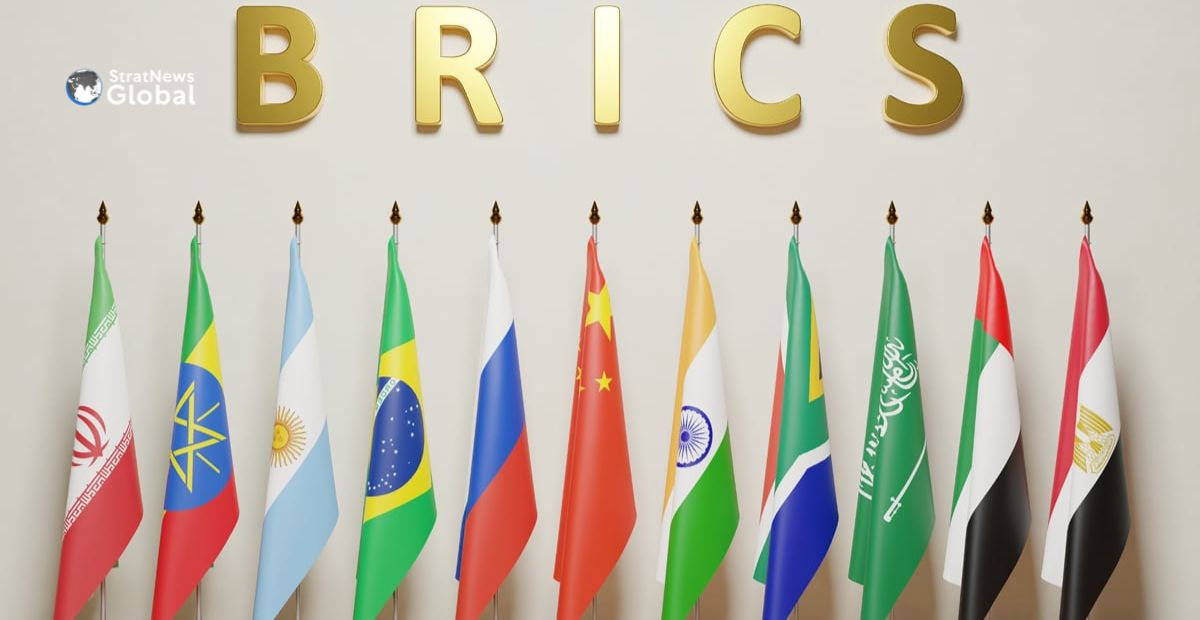
While lauding BRICS which, he said “was gathering strength day by day,” he had a warning for his audience.
“We need to be cognizant of the new security threats and challenges. Non-traditional threats have transcended national borders and have developed defence systems against conventional responses. Innovative disruptive technologies, more camouflaged variants of terrorism, cyber threats in a world getting increasingly digitised, they all constitute an important threat for us,” he said.
The meeting also provided an opportunity to talk to his Iranian counterpart Dr. Ghadir Nezamipour, Deputy Secretary of Iran’s Supreme National Security Council. The two sides reviewed the evolving regional situation and discussed issues of mutual strategic interest.
The meeting highlighted India’s continued engagement with Tehran amid shifting geopolitical dynamics and growing concerns over regional stability.
Dr Nezampour proposed the creation of a “BRICS Crisis Management and Resilience Enhancement Institution” to improve coordination among member states during emerging crises.
He also called for an integrated early warning and security information-sharing network among BRICS countries and advocated deeper cooperation to counter unilateralism and external interference in sovereign affairs.
“We can transform asymmetric and non-traditional threats into opportunities for building a new, just, secure and sustainable order for all humanity,” he said.
Another closely watched meeting was with China’s Foreign Minister Wang Yi.
“The two sides reviewed recent developments in bilateral relations and noted progress towards gradual normalisation,” MEA spokesman Randhir Jaiswal said.
“Stable, predictable and constructive bilateral relations contribute to building of trust and better understanding between the two sides,” he quoted Doval as saying. “The discussions were constructive and forward-looking.”
A Chinese readout noted that Wang stressed the need for both countries to respect each other’s core interests and continue implementing the consensus reached by their leaders.