Ever heard of the term “anaconda in the chandelier”? US political scientist Perry Link who coined the term, said it describes the snake that rarely strikes because everyone below can feel it watching.
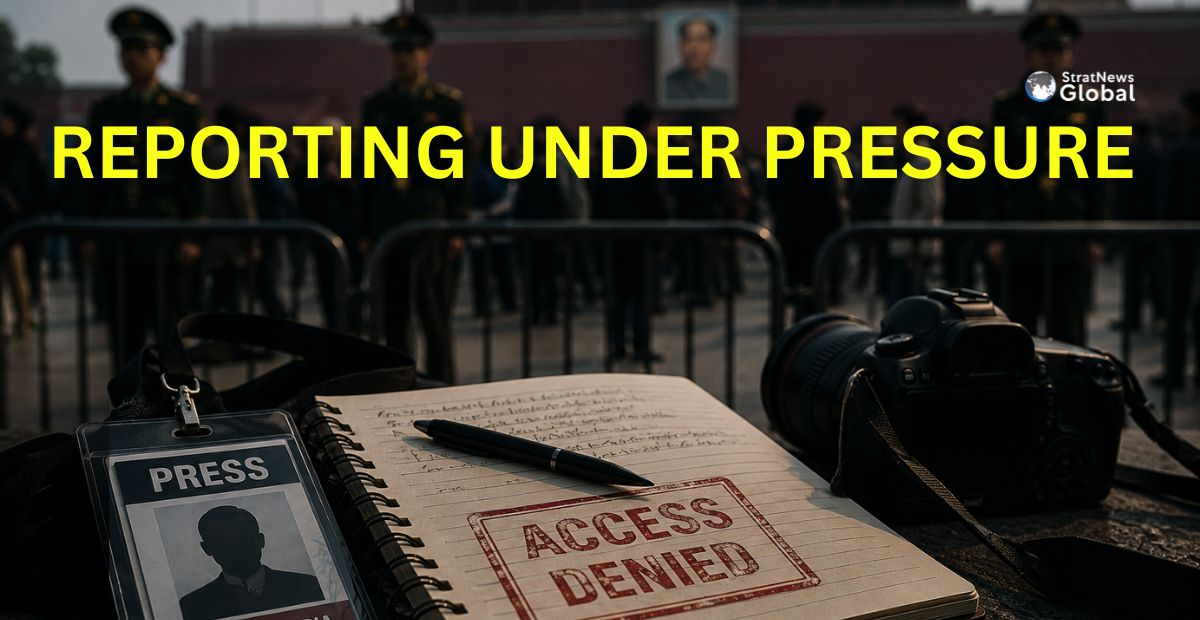
There’s an analogy here, that China under Xi Jinping has leveraged media access to his country by making sure any independent or objective journalism is thrown out of the window.
According to an analysis titled How China’s Invisible Red Lines Are Changing Global News Reporting, that featured in the independent online platform The Conversation, China stops giving visas for journalists when they cross its red lines.
Or, as in 2020, when Beijing expelled 13 American journalists including those from The Washington Post and The New York Times. In 2021 the BBC correspondent in Beijing was kicked out over his reporting on Xinjiang where the minority Muslim Uyghurs live.
China’s aim is clear: it wants to limit the number of foreign eyes on China, and the strategy is working given so many journalists expelled and many not given visas. India’s own media presence in Beijing has fallen in the wake of the Galwan clash and the freeze in ties that ensued.
Even the use of certain words and phrases can draw the wrath of the powers that be in Beijing. The Conversation article cites the word authoritarian, which accurately describes China’s government but the Communist Party sees it as a slur, “one-party rule” is another even though it is factually true. If a media report were to desccribe the detention centres for Uyghur Muslims as “camps”, the worst could happen.
Getting an interview is difficult if not impossible: The Conversation article cites 86% refusals, all recorded by the Foreign Correspondents Club of China. Chinese assistants of foreign journalists are routinely harassed. Surveillance is oppressive.
The antidote is for the world’s newsrooms to establish collective standards and publicise them before the boundaries of acceptble speech are decided by someone else.