A China attempt to recruit an Italy-based “military influencer” to peddle falsehoods about Taiwan and undermine its social and military cohesion, has gone viral in Chinese-language online circles.
说的没毛病啊:关恒事件受到如此关注,确实是有中共大外宣推波助燃。
落日海盗兄,去年9月你打电话给我,尝试招募发展我做外宣的事情这么快就忘了?(看看视频节目,勿谓言之不预也)… https://t.co/PPQfrnspdl pic.twitter.com/rNU3Hu23Op
— 说真话的徐某人 (@xumouren_yt) December 18, 2025
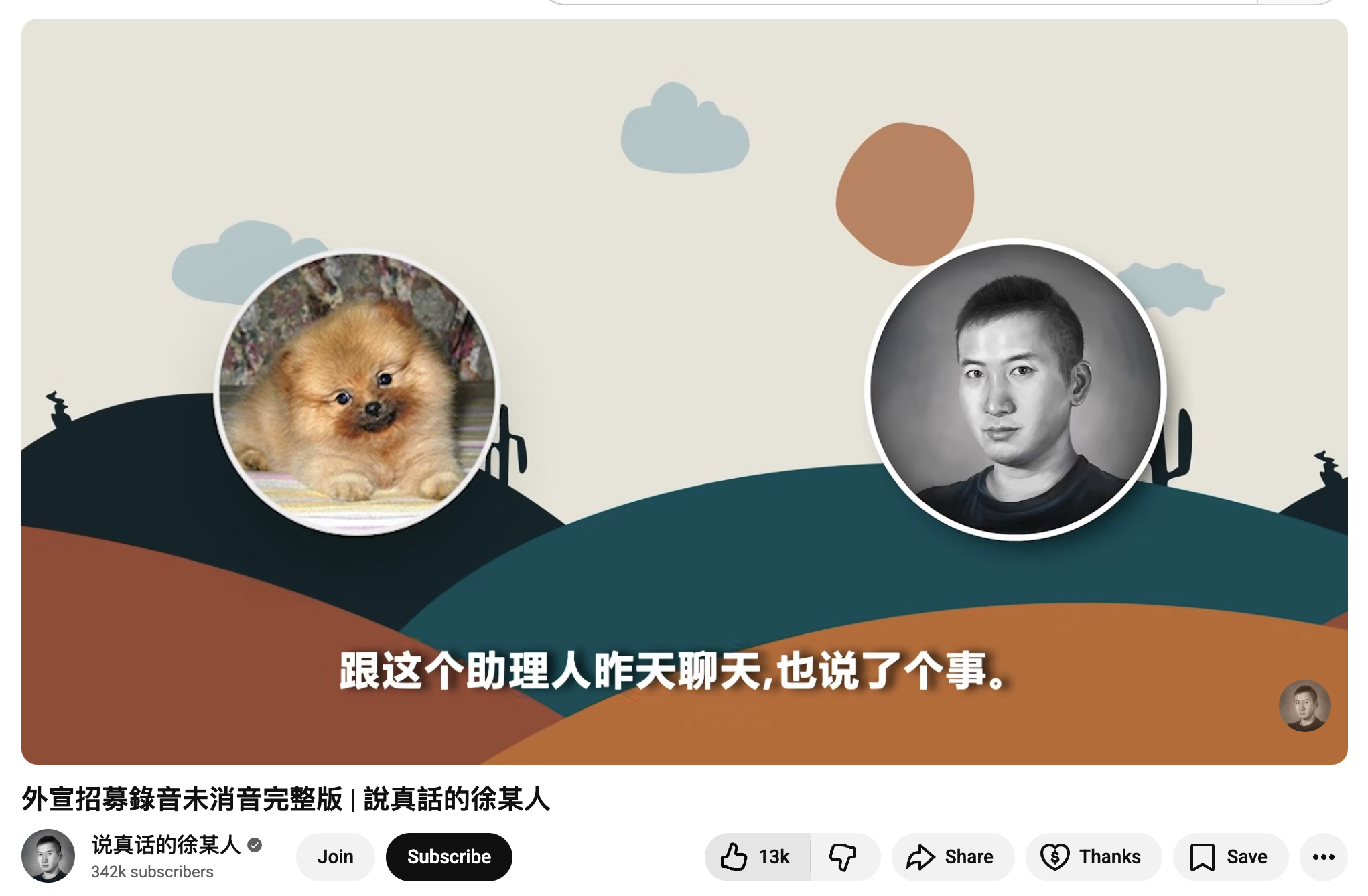
The military influencer is “Xu Mou-ren-Who Speaks Truth” and before we go further, let’s explain what a military influencer is. Basically he or she is a serving member of the armed forces of a country or even a veteran, who uses social media to share authentic experiences of life in the military.
Now it’s not clear if Xu Mou-ren ever served in the PLA, but he is based in Italy, which seems to give him a measure of independence on what he posts on social media or on Youtube where he claimed that a Chinese influencer known as “Sunset Pirate”, had approached him on behalf of Chinese military intelligence.
Attempt to Undermine Taiwanese Confidence
Sunset Pirate allegedly offered Xu a monthly payment of about $43,000 for producing content critical of Taiwan’s military capabilities. The stated aim, Xu said, was to weaken confidence within Taiwanese society about its ability to defend itself. The intermediary also suggested that Xu’s content could be rebroadcast by pro-Beijing television channels to amplify its reach.
The dispute between the two reportedly stemmed from differing views over a separate case involving illegal Chinese migration. Following this, Xu chose to make the recruitment attempt public, releasing the audio as evidence.
In the recording, Sunset Pirate claims to have recruited multiple influencers across Japan, Italy and the United States, spanning fields such as music, travel, food and automobiles.
Their main task, he said, was not overt political messaging but the promotion of Chinese culture and narratives in a subtle manner. He described the guiding principle as “moistening things silently” advancing influence gradually without attracting attention.
Boundaries and Censorship
Joining hands with China came with conditions: limited criticism of the Chinese Communist Party was acceptable, but criticism of Xi Jinping was strictly forbidden.
The recording also suggests that Xu was asked to comment on the Russia–Ukraine war to highlight Ukrainian weaknesses and erode Taiwanese confidence in their own military resilience.
Experts Warn of Expanding Covert Influence Campaign
Taiwan-based Japanese journalist Akio Yaita believes there is a systematic campaign driven by Beijing to co-opt overseas and Taiwanese influencers for narrative and information warfare.
In his view, it is very likely that many Taiwanese influencers have already been approached given the shared language. They would likely have been offered tempting sums of money to do Beijing’s bidding.
The key is whether an influencer openly criticises Xi Jinping. Such criticism not only puts the influencer at risk, but even compromises the person “handling” the influencer. So if somebody on social media consistently aligns with China, it should be a warning to those listening in that he or she is playing China’s tune.
This story underscores another point: as social media increasingly shapes public opinion on security and sovereignty, the risk is not loud propaganda but quiet credibility voices that sound reasonable, balanced and even critical, yet never cross certain lines. For audiences, the lesson is stark: in an age of information warfare, what is left unsaid can matter more than what is spoken, and neutrality itself may sometimes be the most carefully constructed position of all.

Research Associate at StratNewsGlobal, A keen observer of #China and Foreign Affairs. Writer, Weibo Trends, Analyst.
Twitter: @resham_sng