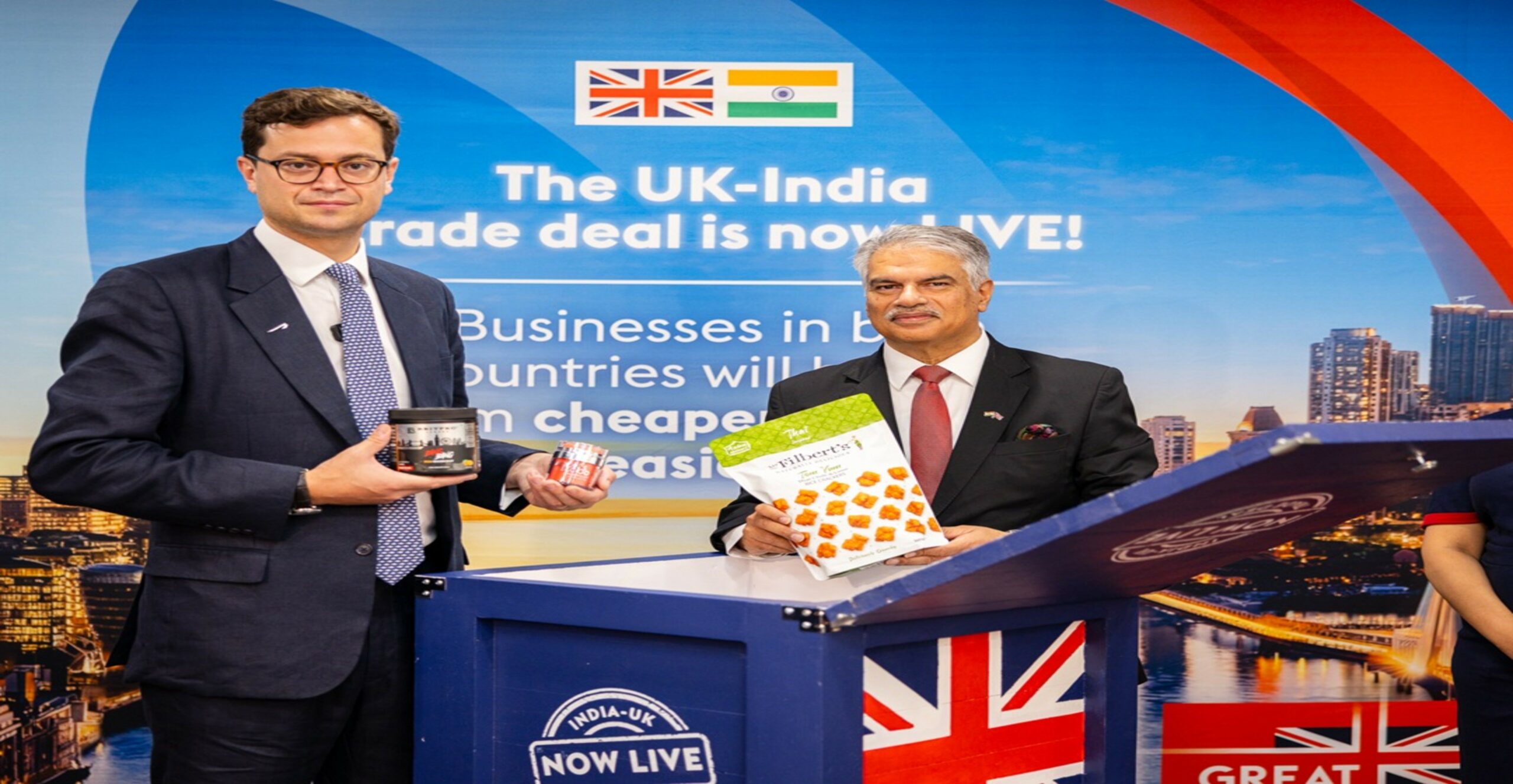
India and the United Kingdom operationalised the Comprehensive Economic and Trade Agreement (CETA) on July 15, bringing into force one of the most ambitious trade pacts between the two countries and lowering tariffs, expanding market access and easing business mobility.
The agreement comes into effect as bilateral trade stands at £48 billion. From day one, 99 per cent of Indian exports to the UK and 90 per cent of UK exports to India will either become duty-free or benefit from lower tariffs.
British High Commissioner to India Lindy Cameron said the deal would deliver immediate gains across sectors.
“The UK-India trade deal brings sweeping benefits for a wide range of sectors. From today, import duty on Scotch whisky has been cut from 150 per cent to 75 per cent, which should make a really significant difference to the price the consumer pays,” she said.
“Import duties on premium UK-built cars will also begin to fall from over 110 per cent to 10 per cent, making iconic British brands cheaper for Indian consumers.”
Cameron added that UK beauty products, homeware and sports goods would become cheaper, while “98 per cent of environmental and green goods are being liberalised, supporting India’s energy transition.”
The agreement would also improve business mobility between the two countries, she said.
CETA comprises 30 chapters covering trade in goods and services, digital trade, government procurement, intellectual property, innovation, labour, MSMEs and emerging technologies.
To mark its implementation, a consignment of British goods benefiting from lower tariffs, including cosmetics, food products and alcoholic beverages, arrived in Mumbai aboard a British Airways flight.
Calling it a “watershed moment” for bilateral ties, Trade Commissioner for South Asia Harjinder Kang said the agreement would benefit businesses and consumers “from day one with cheaper, quicker and easier trade.”
UK officials said they were not setting a first-year target but expected the agreement to raise bilateral trade by more than £25 billion annually over the long term.
“We’ve already seen about £4 billion in gains per year, just in anticipation of this deal, so people are already starting to take advantage,” officials said.
The accompanying Double Contribution Convention (DCC), which comes into force separately, will exempt employees on temporary assignments from paying social security contributions in both countries.
On the UK’s proposed Carbon Border Adjustment Mechanism (CBAM), officials said it remained outside the scope of CETA.
Indian industry also welcomed the agreement.
Federation of Indian Export Organisations Director General Ajay Sahai called it “a significant milestone in India’s export journey,” while CII Director General Chandrajit Banerjee said zero-duty access for 99 per cent of Indian exports would improve the competitiveness of labour-intensive sectors and create fresh opportunities for manufacturing, technology and services.