The 16th Meeting of BRICS National Security Advisers and High Representatives on National Security concluded in New Delhi on Tuesday with a renewed emphasis on multilateralism, counter-terrorism cooperation and cybersecurity.
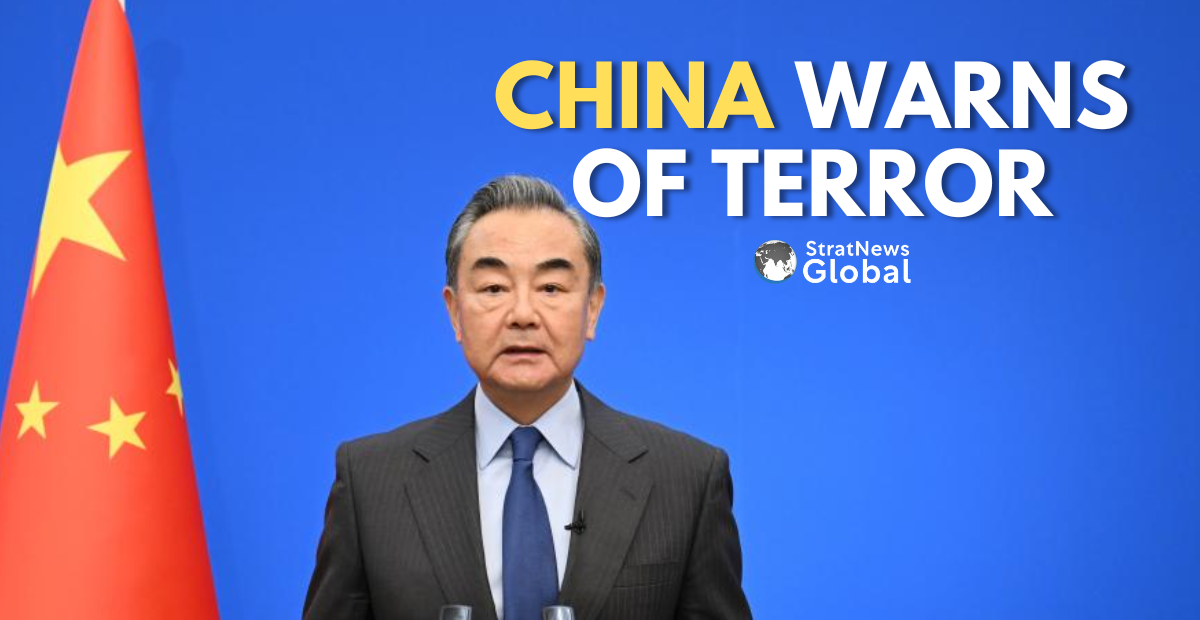
Chinese Foreign Minister Wang Yi said participants reached broad consensus on addressing global security challenges through cooperation, while also underscoring the growing role of BRICS and the Global South in shaping international affairs.
Focus on Multilateralism
Wang described the discussions as productive and said delegates agreed on the importance of upholding multilateralism amid increasing geopolitical uncertainty.
According to him, the meeting highlighted the need to promote political solutions to international and regional conflicts while strengthening coordination on both traditional and emerging security threats.
He added that BRICS countries support greater unity among developing nations and favour a stronger collective voice for the Global South in global governance.
Call for Stronger Counter-Terror Cooperation
Addressing the issue of terrorism, Wang warned that the world is facing a fresh wave of terrorist activity driven by growing geopolitical tensions and civilisational conflicts.
Noting that all BRICS members have been affected by terrorism in various forms, he called for enhanced cooperation through the BRICS Counter-Terrorism Working Group.
Wang urged member states to deepen intelligence sharing, improve operational coordination and strengthen exchanges of expertise. He also stressed the importance of fully implementing the United Nations Global Counter-Terrorism Strategy.
China, he said, will continue organising training programmes, seminars and capacity-building activities under the BRICS counter-terrorism framework.
Cybersecurity Takes Centre Stage
Cybersecurity emerged as another key theme during the meeting.
Wang said rapid advances in technologies such as artificial intelligence are transforming cyberspace and creating new security challenges for governments worldwide.
He urged BRICS nations to work together in defending international norms in cyberspace and oppose efforts that foster division and confrontation.
The Chinese diplomat also called for wider support for the United Nations Convention against Cybercrime and encouraged countries to participate actively in international efforts to combat online fraud and cybercrime.
Expanding BRICS Security Cooperation
Wang stressed the need to build on the BRICS Roadmap of Practical Cooperation on Ensuring Security in the Use of Information and Communication Technologies.
He called for long-term planning to guide cybersecurity cooperation over the next five years and advocated greater coordination under the “BRICS Plus” framework.
According to Wang, expanding cooperation beyond core BRICS members can help strengthen the collective position of the Global South on key security issues.
China Invites BRICS Leaders for Next Meeting
Looking ahead, Wang noted that China will assume the BRICS chairmanship next year and invited participants to reconvene in China in 2027.
He expressed hope that future meetings would further deepen political and security cooperation among BRICS countries and contribute to global peace, stability and effective security governance.
The New Delhi meeting reflected a shared commitment among BRICS nations to enhance cooperation on pressing international security challenges while reinforcing support for a multipolar and multilateral world order.
(with input from Reuters)