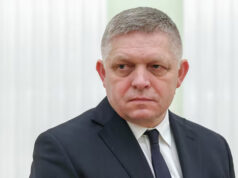
Nepal’s churn since the GenZ movement that toppled prime minister KP Sharma Oli has continued despite electing a government under newbie Prime Minister Balen Shah.
Parliament has been treated with irreverance, governance is synonymous with ‘ordinance raj’, Balen doesn’t speak much and is reportedly not inclined to meet visiting VIPs unless they are of the same ‘rank’. Add to that concerns have been raised about his apparent reliance on the army for getting squatters evicted and slums demolished.
Is this the face of the GenZ administration? Is this really what they expected? Nepali physician and social acitvist Dr Sandesh Lamsal writing in theborderlens.com, believes that Balen Shah “is reshaping Nepal’s politics through silence, scarcity and digital branding, turning perception into power.”
Lamsal says Balen’s strategy is rooted in “less talk more delivery”. Much like Narendra Modi, the Nepali leader talks to his followers directly on Facebook. Memes and clips of his rapping project an image that appeals to the young. He is seen as one of them, vulnerable yet authoritiative, eager to get things done.
Where Narendra Modi goes viral while eating jhalmuri from a roadside shop in Jhargam, West Bengal, Balen plays cricket and interacts with ordinary people. No fanfare, suddenly he is there among them, and it’s a win. At the same time, Balen keeps up a drumfire of messaging on the digital ecosystem, targeting his political rivals, accusing them of corruption.
He has pushed a “Nepal First” policy hard, which can be seen in the tax imposed on items from India with a total cost above Rs. 100. The idea, says Lamsal, is to get the population buy more local products. The slogan “Say Cheese, DDC ko Cheese” was intended to boost sales of the Dairy Development Corporation of Nepal, and it worked. Media reports say people rallied around the call for supporting Himalayan cattle herders.
Much like in India where the opposition has struggled to take on Modi, Nepal’s political class has no answer yet for the phenomenon of Balen Shah. His silence, his refusal to engage with the opposition on traditional turf, and his direct messaging to his core constitutency reflect the fact that Nepal’s politics is now firmly in the Digital Age.