The Indus Waters Treaty (IWT) is “not a technical issue anymore,” argues Uttam Sinha, a scholar on water disputes who has authored two books on the subject. The IWT, he says in a discussion with StratNews Global, is a “serious structural stress point” in the bilateral relationship between India and Pakistan.
He attributes this to Pakistan being “a totally irresponsible actor and uses a clever diplomatic strategy for it.” The last is with reference to Pakistan constantly appealing to international audiences and making accusations about India while not acknowledging that “it takes two to keep the treaty.”
“The Pakistani establishment does not understand the language of diplomacy or the role it should have been playing as a neighbour from the 1950s till now,” echoed a paper from the Indian Council of World Affairs.
But is the tide changing? In 2024, Hassan Abbas, a Pakistani hydrology and water resources expert, wrote in the Dawn, “We must bridge the distance between outdated ideas and the current global mind to shape a healthy, sustainable and peaceful environment in the Indus basin for future generations. The treaty must be renegotiated along these lines.”
His call for reworking the Indus Waters Treaty was made a full year before India put the treaty in abeyance following the Pahalgam terror attack that killed 26 people. In fact, New Delhi first sought re-negotiation of the treaty in Jan 2023, but Pakistan ignored it. With the Pahalgam attack, India lost patience.
But there are other Pakistani voices urging that the treaty be renegotiated. In an editorial in the Dawn earlier this week, security analyst Khurram Abbas argues that “This option (re-negotiation) could introduce practical and political challenges. Renegotiation will demand a high degree of technical expertise, legal preparedness and institutional coordination. The proposal of renegotiations would likely require discreet back-channel diplomacy.”
He also warned that that any overt or covert engagement could impose domestic political costs on the Pakistani leadership, particularly in a polarised political environment.
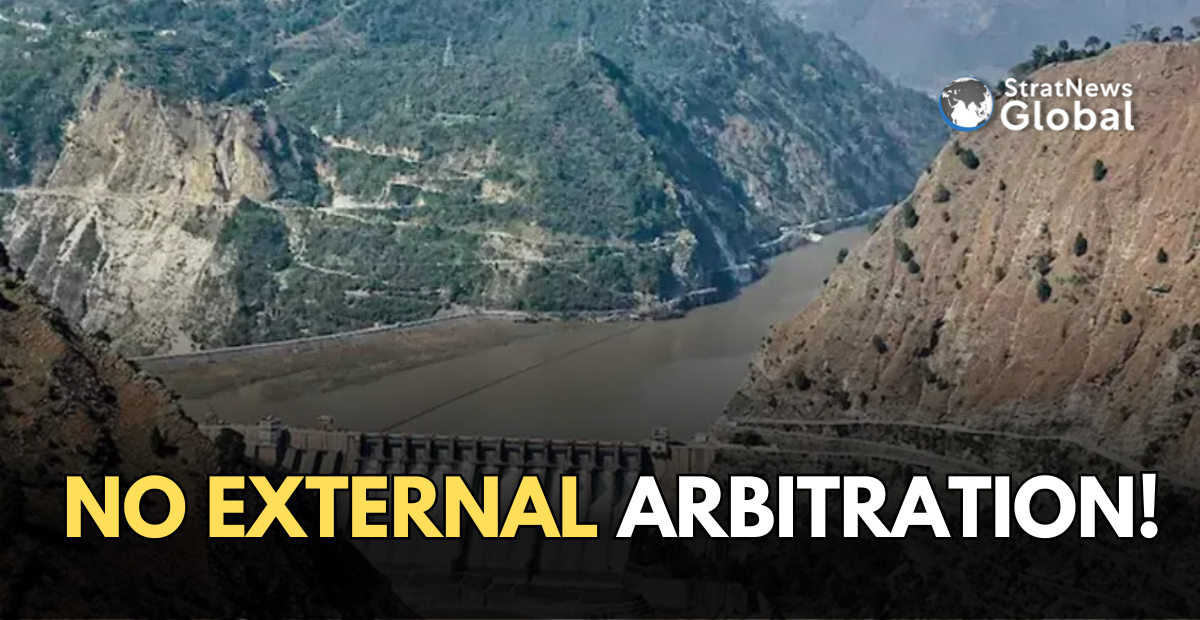
Pakistan must also contend with the new thinking in India that seeks to do away with external arbitrators, more so on matters of sovereignty and national development. As Uttam Sinha puts it:
“India has largely stated, and continues to insist on the bilateral format of the Indus Water Treaty with no third-party intervention. It clearly signals that it prefers direct engagement over externally driven processes.”
If this approach consolidates, it could fundamentally change how disputes under the Indus framework are handled going forward and set the tone for future water agreements, too.