From pariah to a seat at the high table: Pakistan through a combination of circumstances and smart (or cringe/sycophantic) diplomacy, will do the honours as mediator when the Iran war protagonists start arriving, as reported, this week.
Until the other day, Pakistan mattered little. It was bankrupt, dependent on begging bowls and IMF handouts, mired in a war with Afghanistan. But three invitations to the White House including lunch with President Trump, and it seems the world turned.
It may matter little what Pakistan actually contributed to the mediation. With the US involved directly (at the level of Vice President Vance as reports claim), this entire exercise will boil down to what the US and Iran can agree on.
If there is a deal, count on Trump to give Pakistan its due. The Gulf states will be grateful to Islamabad, as will Iran. And if things fail, the world knows the US and Iran could not reach a deal, and Pakistan is not to blame.
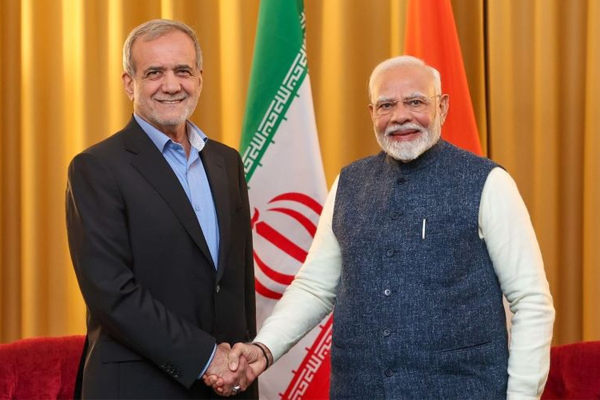
Contrast this with India’s situation. Prime Minister Modi has spoken to each of the Gulf heads of state, and he’s known to enjoy a good rapport with them. He even spoke to Iran’s President Pezeshkian.
The message was largely the same: on March 3rd the message was that “This was a time for diplomacy not war. India strongly reiterates its call for dialogue and diplomacy. We raise our voice clearly in favour of an early end to the conflict.”
Reiterated in more detail on March 9 when External Affairs Minister Jaishankar said “India is in favour of peace and urges a return to dialogue and diplomacy.”
From this it would appear that at no point did India offer to play the role of mediator or even carry messages between the parties, as Modi once did between Russia’s Putin and Ukraine’s Zelensky.
Mediation is a bad word in Indian diplomacy, said a retired diplomat, pointing out its connotations with Kashmir. In fact, that Kashmir experience dating back to the 60s and 70s when India was under enormous pressure to concede on Kashmir in favour of Pakistan, appears to have seared into the institutional memory of the External Affairs Ministry.
In the current situation, add Donald Trump. As former foreign secretary Kanwal Sibal told StratNewsGlobal, “How do you mediate with a totally unreliable and erratic man like Trump. By offering mediation we will open the door to him to propose mediation between India and Pakistan.”
Of course India can and will say no but it may provoke a knee-jerk reaction from Trump that could again upset the bilateral apple cart.
This is not to say others have not asked India to use its good offices in some way. Recalled a diplomat who had served in West Asia, “The Saudis informally asked us to help since we are close to Iran but we didn’t do it. The view here was India did not have that kind of outreach.”
India may have soured its equation with Iran by not condemning or even condoling the killing of Ayotollah Khamenei, the head of state. Five days later, Foreign Secretary Vikram Misri signed the condolence book in Delhi. Too little too late?
Sibal has been deeply critical of India not condemning the Khamenei killing, arguing it could have been worded in a manner not to annoy Israel. Clearly, official thinking was along different lines.
“Play a role that suits your growing stature,” the diplomat who served in West Asian capitals told StratNewsGlobal, “don’t do dubious stuff that detracts from your credibility in the region.”
Countries smaller than India are punching well above their weight, whether you take the UAE, Qatar or even Oman. India does not or hesitates, the reluctance shows, which is why during times of crisis, the region may look for solutions elsewhere.