Last year China unveiled DeepSeek AI, touted as a high performance, cost effective model. Now it has launched its first Tibetan-language large language model (LLM), DeepZang, a name derived from Xizang, the official Mandarin-language term for Tibet. Global Times described it as the world’s first Tibetan AI platform.
Developed by CHOKNOR Information Technology Co, DeepZang has received national approval for generative AI in China, a first for a Tibetan language model. It supports over 80 languages, including Tibetan, Mandarin, English, Mongolian and Uyghur, and offers features like speech recognition, translation and conversational AI. It is backed by nearly 70 million Tibetan-Mandarin sentence pairs and what it claims is China’s largest Tibetan speech database.
Tibetan AI Platform In India
But China’s claim of primacy has no basis. It’s been three years since Monlam AI, developed by the Monlam Tibetan IT Research Centre in Dharmshala, integrated machine translation, optical character recognition, and speech technologies tailored for both classical and colloquial Tibetan.
Built by Geshe Lobsang Monlam, a Tibetan scholar and programmer with a Ph.D, with the help of a small team, his Monlam Melong LLM is designed not only to process language but to engage with Tibetan history, grammar, and Buddhist texts. Supporting translation across 140–200 languages, the platform is aimed at preserving Tibetan cultural and religious heritage in the digital age.
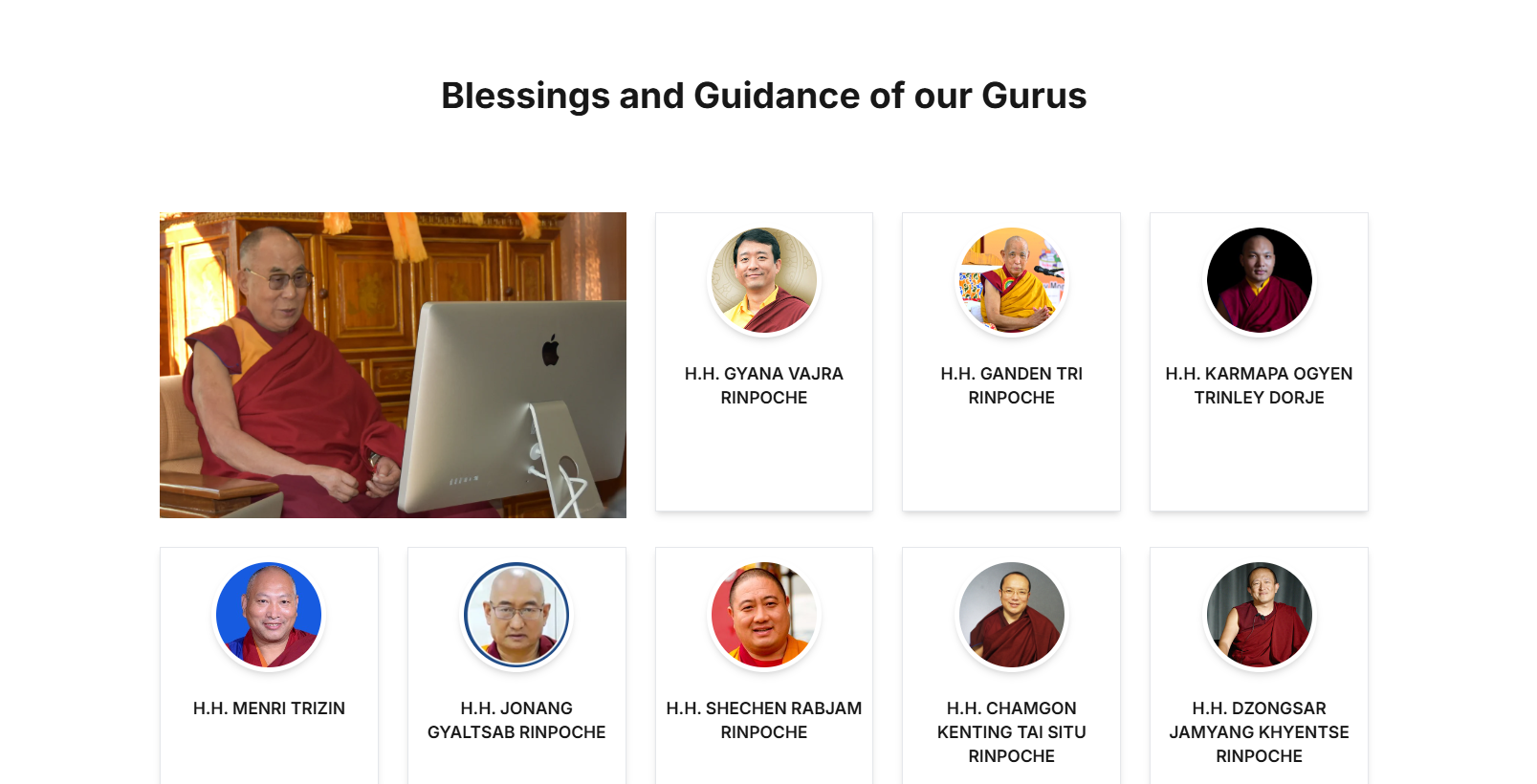
Its website reflects that ethos. A section titled “Blessings and Guidance of our Gurus” features images of His Holiness the Dalai Lama and other revered Buddhist figures underscoring a civilisational, rather than purely technological, approach. (Screenshot below)
AI And The Question Of Narratives
The contrast between DeepZang and Monlam AI is not just technological, but political. Beijing presents DeepZang as a platform to deliver an “authentic” account of Tibetan culture and to prevent what it calls distorted narratives effectively aligning it with the Chinese Communist Party’s broader information framework, much like state media.
Monlam AI in Dharamshala, reflects an approach shaped by a diaspora focused on preserving language, culture and identity outside state control. As AI rapidly becomes a primary tool for learning and information, its influence on how users understand history, culture and even current affairs will be significant. Large language models do not just translate or answer questions they frame narratives, prioritise certain sources, and subtly shape perception.