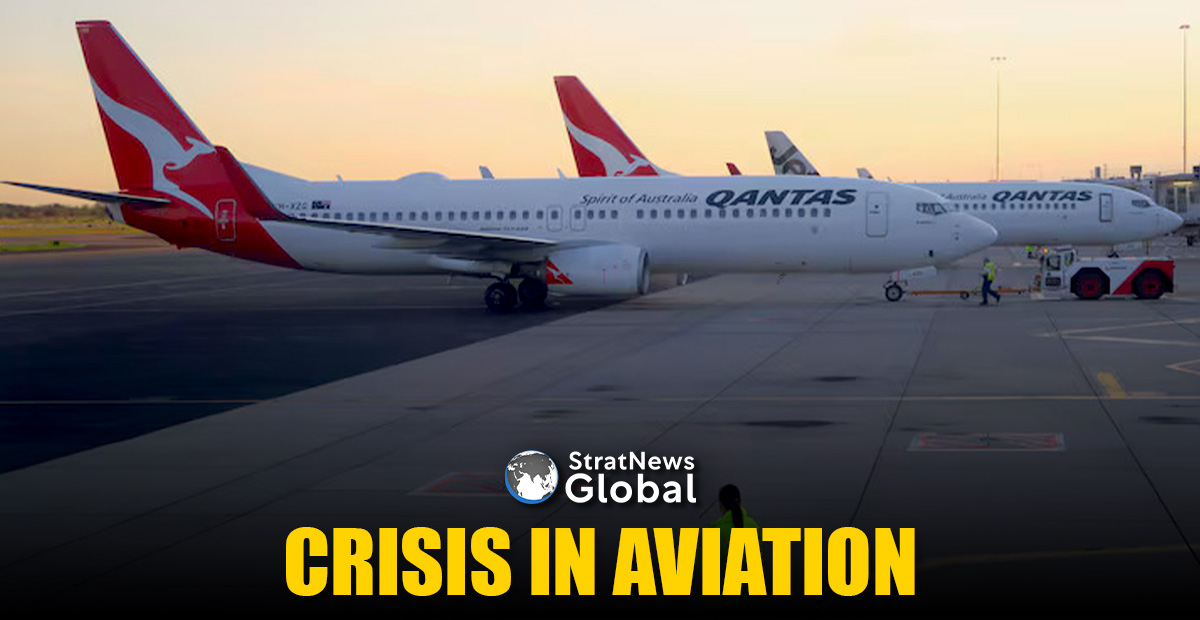
Years after the pandemic, the aviation industry is still struggling to recover from supply
chain disruptions that have been exacerbated by record passenger demand and geopolitical challenges, executives and suppliers say.
Airlines have been forced to keep older, less fuel-efficient planes flying for longer as some deliveries from Airbus and Boeing are delayed because engine makers and other
suppliers are juggling competing demands from new plane assembly and maintenance for existing fleets.
Prolonged supply delays and bottlenecks appear to have become the “new norm”, said Jeffrey Lam, the chief operating officer and president of commercial aerospace at ST Engineering , the world’s largest airframe maintenance and repair services provider.
“We are afraid that this new norm will stay, which is completely unacceptable,” he told Reuters on the sidelines of this week’s Singapore Airshow.
The shortages are also driving up costs for airlines, such as Singapore Airlines’ low-cost carrier Scoot, its CEO Leslie Thng said during a panel discussion at Asia’s biggest
aviation and defence event.
“We also proactively, for example, secure more spare engines at our own expense to make sure that if there are engine issues, the impact on us can be mitigated,” he said.
Record Demand
Global air passenger traffic in 2025 was at a record high about 9.3% above the pre-pandemic level in 2019, according to data from the International Air Transport Association, and forecast to grow another 4.9% this year.
To keep up with demand, airlines are keeping older planes operating for two years longer than the long-term average, which pushed up fuel, maintenance, engine leasing and inventory costs by an estimated $11 billion in 2025, IATA said.
“It’s very frustrating, and when you see this massive additional cost being borne by airlines, you know it really is time for these key suppliers to get their act together and
improve this situation,” IATA Director General Willie Walsh told Reuters.
Gael Meheust, the CEO of engine maker CFM International said during a panel discussion that his company had been able to ramp up production after the pandemic, but the problem was demand had been “incredible”.
“That’s the paradox in which we are. It’s not that the supply chain…cannot deliver on the ramp-up, it’s just that the demand is at a level that we have never imagined.”
The company, a joint venture between GE Aerospace and Safran, has increased production by 25% in 2025, with output expected to rise further by at least 10% every year, he said.
Suppliers like ST Engineering, a major engine nacelle maker, are struggling to keep up with demand for the outer housings of jet engines. The company said they take about six weeks to produce, but total lead times for components and material orders now stretch up to a year compared to about nine months before post-pandemic disruptions and rising demand.
Even placing early orders for components to ensure the company has ample inventory is failing to fully address the problem, Lam said. “Some of the shortage is worldwide, so you
actually can’t even buy them early if you want,” he said.
Aircraft engine manufacturers have also faced shortages of critical materials like titanium and nickel tubing, worsened by Russia’s war in Ukraine, which cut off access to Russian exports that previously accounted for about half of the global titanium supply.