Bangladesh is yet to witness the sound and fury of election campaigning. But with BNP leader Khaleda Zia now laid to rest and the official period of mourning to end on Monday, the stage is set for what could be a bruising fight.
On paper, the BNP is expected to emerge the single largest party given the ban on the Awami League. Runners up is the Jammat-e-Islami although there is talk of BNP and Jamaat joining hands as they have in the past.
The other contender the National Citizens Party (NCP), shows signs of splitting after it sealed an electoral understanding with the Jamaat. According to the Dhaka Tribune, “more than half a dozen frontline leaders (have) resigned or withdrawn from party activities in protest against the agreement with the Jamaat.”
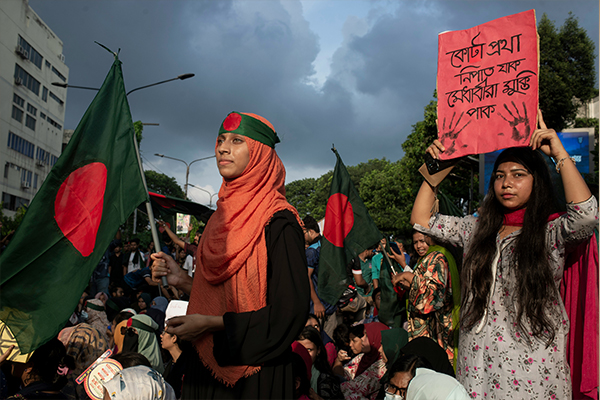
The NCP comprises those students who took part in the protests against Sheikh Hasina and who appear to have frittered away their standing with the public by engaging in extortion, intimidation and so on.
The big question centres around Tarique Rahman: can he lead his party to victory on the back of the “sympathy wave” generated by Khaleda Zia’s death? Much will depend on his ability to inspire ground level cadres, win over middle level leaders and soothe the insecurities of the old guard left adrift by Khaleda’s death.
For India, Sheikh Hasina’s unceremonious exit is a serious setback, more so as Tarique is not a figure it has much confidence in. StratNewsGlobal learns that his proximity to Pakistan is of long standing and he may have even conspired to have her overthrown, as some reports claim.
Pakistan’s ISI is also known to have close links with the Jamaat, and Tarique Rahman had met its leader Shafiqur Rahman only the other day in Dhaka.
“We have worked together in the past in the interest of our beloved country, and, God willing, we will continue to work together in the future for the country’s sake,” Tarique was reported as saying.
The Jamaat leader said much the same: “For the sake of national stability over the next five years and to restore a healthy political environment, we should consider whether we can collectively think through constructive options.”
The two coming together could mean double trouble for India. But it’s important to note than an Indian envoy had called on Jamaat leader last year. So India has kept open links with that party.
Tarique has also called for communal and ethnic harmony, pointing out that Christians, Buddhists and Hindus also live in Bangladesh.
External Affairs Minister Jaishankar had called on him the other day to condole the death of his mother and handed over a letter from Prime Minister Modi. These are courtesies but such gestures carry their own diplomatic weight.
Many in India would hope that Tarique, after having lived so many years overseas, may have changed his views on this country and would value benefits for his people by linking up with an economy growing at over 7%.
But all that for later. All eyes on Jan 5 when campaigning gets underway. A lot will be said and India will be monitoring closely, hopeful that if the Tarique-led dispensation emerges victorious, the doors can be shut on the ghosts of the past.