You can never tell what will excite social media and in the case of China’s Weibo, which is state-controlled, the mandarins may find even obscure developments of use to them.
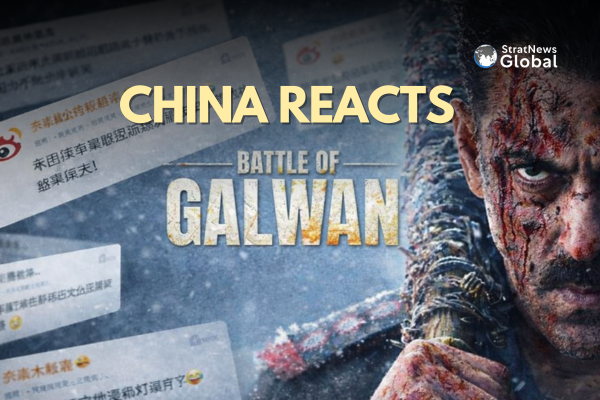
This is not to suggest the Battle of Galwan is obscure. This Bollywood production starring Salman Khan as Col. Santosh Babu, commanding officer of the 16th battalion of the Bihar Regiment, who was killed by PLA troops in the Galwan valley in an unjustified attack, is scheduled for release in April 2026 and is widely expected to perform well (meaning heat up anti-China sentiment), which explains Weibo’s interest.
China’s state-run Global Times (GT) has dismissed the film as “exaggerated”, claiming it is a “one-sided portrayal” of an event which threw bilateral relations into the deep freeze for four years. It said the film would “stir nationalist sentiment rather than reflecting historical facts”.
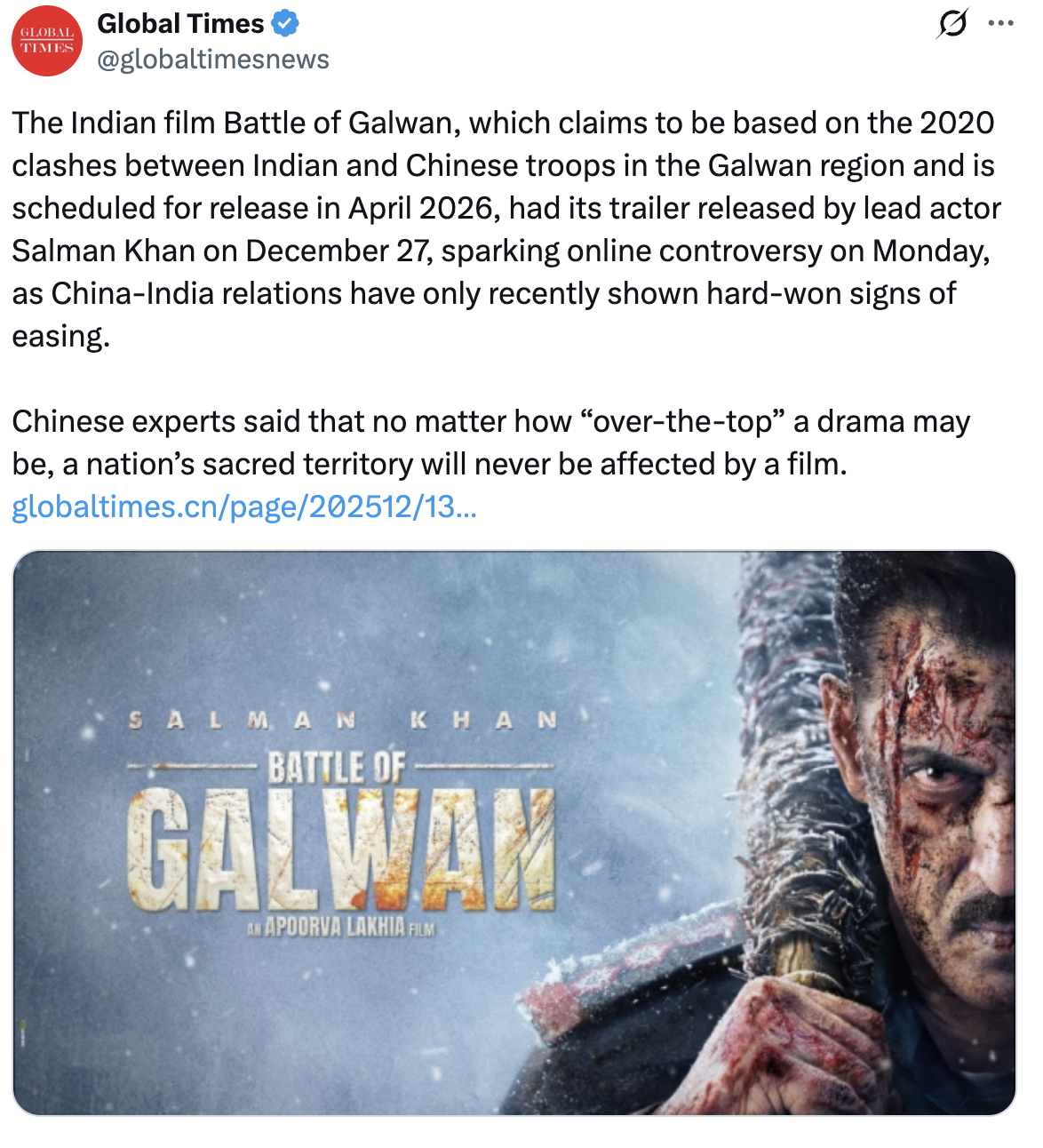
Beijing’s Self-Serving Critique
The criticism appears rather self-serving given how the mandarins have repeatedly used the media to drum up nationalist sentiment whether against India or even Japan, Taiwan, the US to name a few.
GT then quoted various Chinese experts as saying that Indian troops crossed the Line of Actual Control first and stressed that cinematic drama cannot weaken “the PLA’s resolve to defend its territorial claims”.
That was enough to get Weibo going: verified accounts openly mocked the film, accusing India of distorting history. One post sneered that India “still hasn’t been beaten enough” and was back to twisting facts.
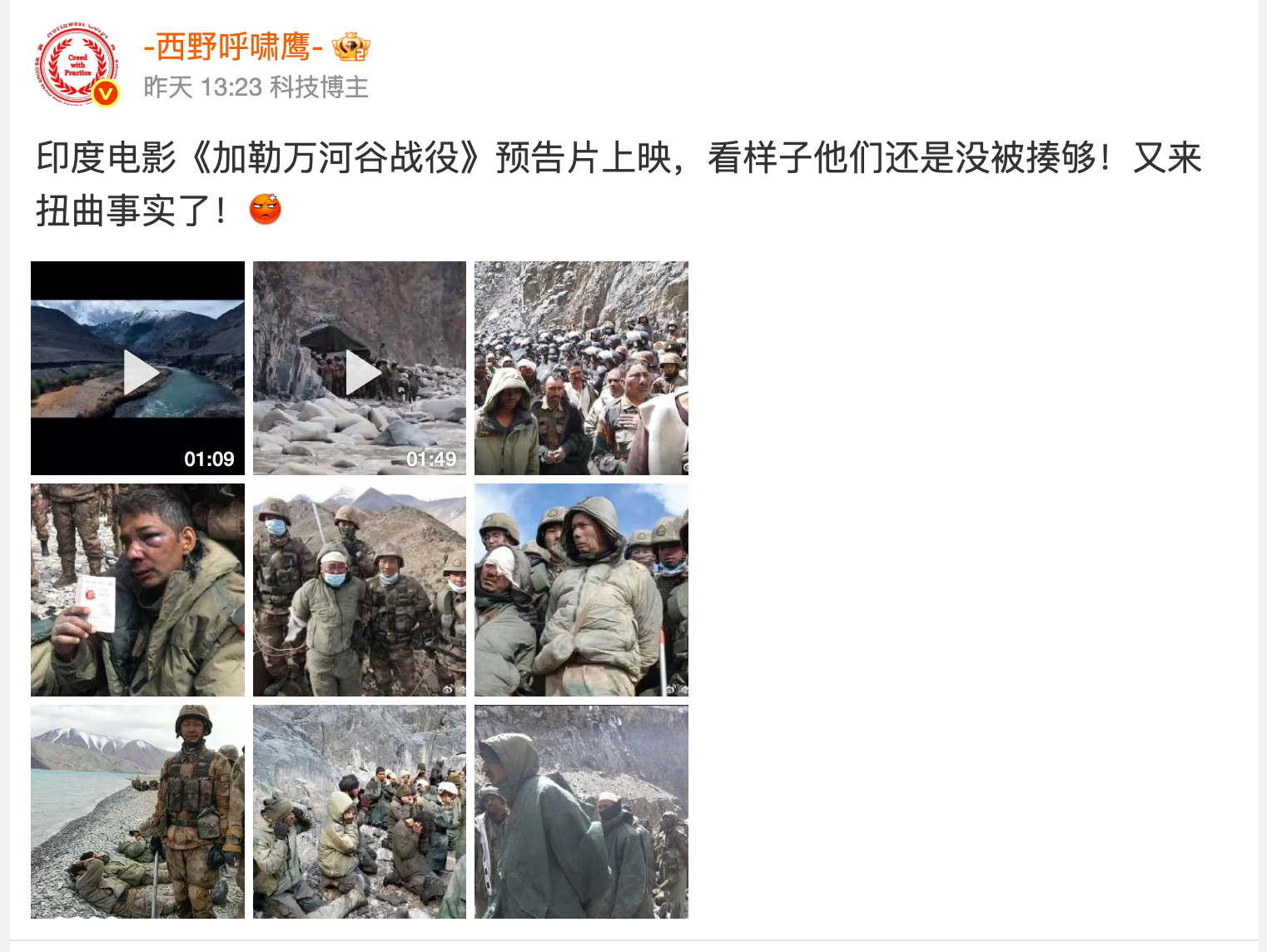
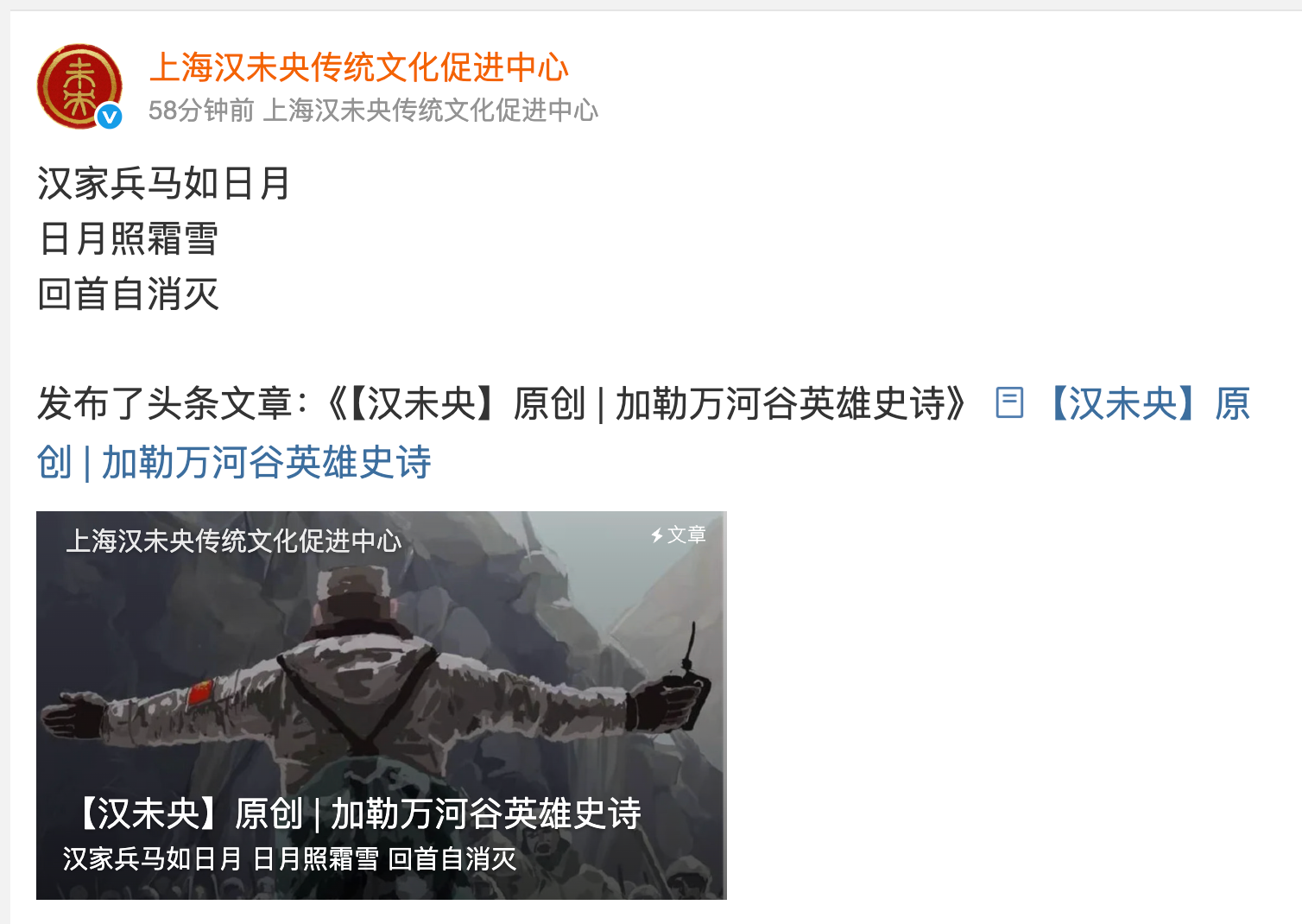
Another argued that if China does not put forward its own narrative, international audiences exposed primarily to Indian films may end up accepting that version of events. This helps explain why a verified Weibo handle run by the Shanghai Han Weiyang Traditional Culture Promotion Centre published a post on December 30 titled “An Epic of Heroes from the Galwan Valley,” adopting an overtly emotive and nationalist tone.
It framed the valley as a strategically decisive frontier, and PLA soldiers as “resolute guardians of sovereignty”, rather dramatically describing them as “Han soldiers are like the sun and moon, shining over frost and snow; looking back, all enemies are swept away.” (Screenshot below)
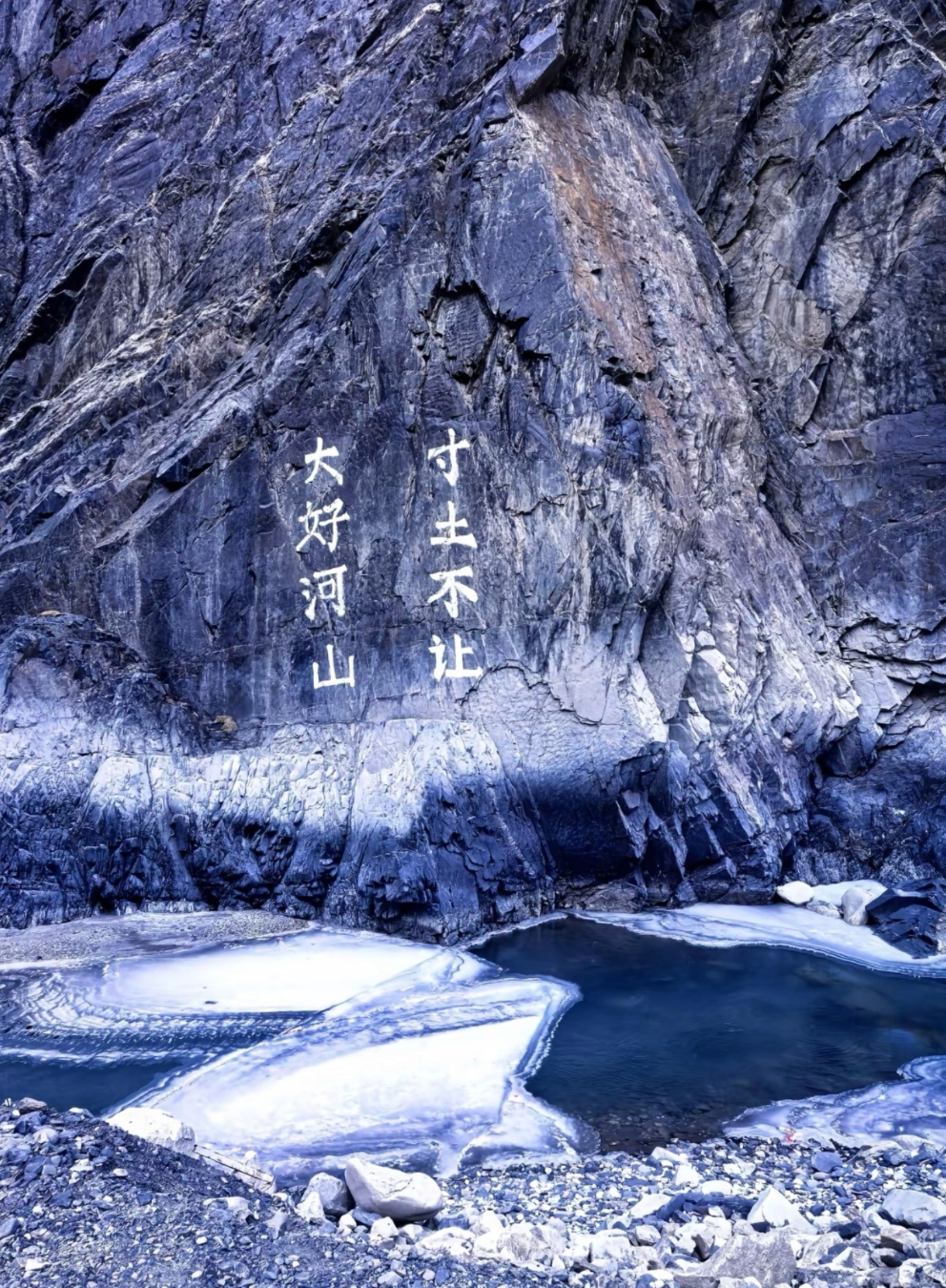
Some bloggers also shared images from the Galwan border zone showing a slogan carved onto a mountainside (screenshot below), which reads, “Magnificent rivers and mountains not an inch of land will be yielded.” Commonly used in official and popular discourse, the slogan reflects the idea that every part of the country’s territory is non-negotiable and must be defended without compromise.
Another verified Weibo blogger reflected a Chinese fear: “The Indian fantasy film ‘Battle of Galwan’ has released its trailer once again pushing a self-gratifying storyline where one man takes on hundreds. Honestly, we should make our own film too. If we don’t tell the facts ourselves, most people will only see Indian movies and quite a few will actually believe the Indian version.”
The last reflects a point made earlier here, that given China’s low international credibility driven largely by state-controlled media prone to purveying propaganda, don’t rule out a Beijing riposte to Bollywood’s Galwan.