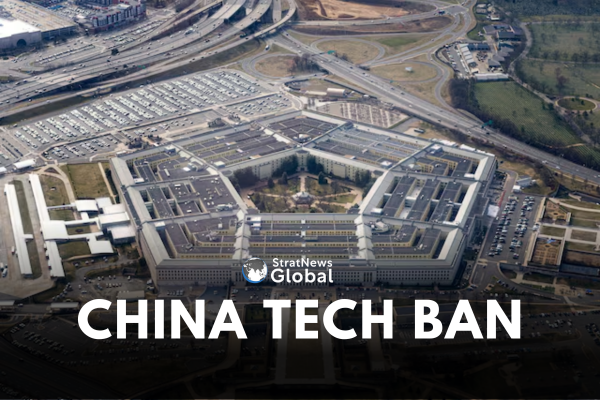
The final text of a new U.S. military spending bill, released on Monday, includes a proposal that would compel the Pentagon to end its dependence on China and other foreign nations for electronic display technology by 2030.
The annual U.S. National Defense Authorization Act (NDAA), which determines funding and policy for the military, could reach Congress for a vote as early as this week. Lawmakers from both the Senate and the House of Representatives finalised the bill through a joint committee before releasing the text for consideration.
Mapping U.S. Military Display Needs
One of the key amendments directs the Pentagon to conduct a comprehensive assessment of its electronic display requirements spanning equipment from handheld devices to advanced fighter jets through to the year 2040. The Department of Defense would then be required to design a long-term strategy to eliminate reliance on China, Russia, and other foreign sources for these components.
The legislation further stipulates that the Pentagon must present its progress to Congress by March 2027, ensuring transparent monitoring of the transition toward domestic or allied supply chains.
Strategic and Economic Concerns
The move reflects growing security concerns over China’s rapid rise as a dominant force in global display manufacturing. Chinese firm BOE Technology Group Co. has become a major supplier for tech giants such as Apple, gradually displacing producers in traditional U.S. partner nations including Japan and South Korea.
Defence analysts have warned that this shift could leave the United States vulnerable in a future conflict, as secure and reliable access to advanced display panels is critical for both civilian and military technologies.
Awaiting Presidential Approval
Once passed by Congress, the bill would still require the signature of U.S. President Donald Trump to become law. If enacted, it would mark a significant step in Washington’s broader strategy to reduce technological dependence on strategic rivals and strengthen supply chain resilience across the defence sector.
(with inputs from Reuters)