India and New Zealand have formally concluded a comprehensive Free Trade Agreement (FTA), marking a significant milestone in India’s expanding global trade architecture and strengthening economic ties across the Indo-Pacific.
The agreement, finalised after intensive negotiations launched in March 2025, is being described by both sides as a next-generation trade partnership that goes beyond tariffs to focus on jobs, investment, mobility, agricultural productivity and people-to-people links.
Piyush Goyal, Minister Commerce and Industry said: “This is the 7th FTA, all of them with developed economies, demonstrating that we are expanding trade relations rapidly, with countries who compliment the Indian economy rather than those that compete with India. This is both comprehensive and forward looking.”
New Zealand Prime Minister Christopher Luxon confirmed the conclusion of the pact after speaking with Prime Minister Narendra Modi. Calling it a breakthrough for Kiwi exporters and workers, he said the deal would dramatically improve New Zealand’s access to one of the world’s fastest-growing markets.
“This will open doors for New Zealand farmers, growers and businesses, boosting exports, creating jobs and lifting incomes so all Kiwis can get ahead,” Luxon said in a post on X (formerly Twitter).
For India, the agreement delivers 100% duty-free access on all tariff lines, significantly enhancing competitiveness for labour-intensive sectors such as textiles, apparel, leather, footwear, gems and jewellery, marine products, engineering goods, automobiles and agricultural exports.
This is expected to directly benefit MSMEs, artisans, women-led enterprises and young entrepreneurs by integrating them more deeply into global value chains.
The New Zealand government says the FTA eliminates or reduces tariffs on 95% of its exports to India, with projections suggesting New Zealand exports could rise by $1.1–1.3 billion annually over the next two decades.
Luxon highlighted that improved trade access to India’s 1.4 billion consumers would translate into higher wages and new opportunities at home.
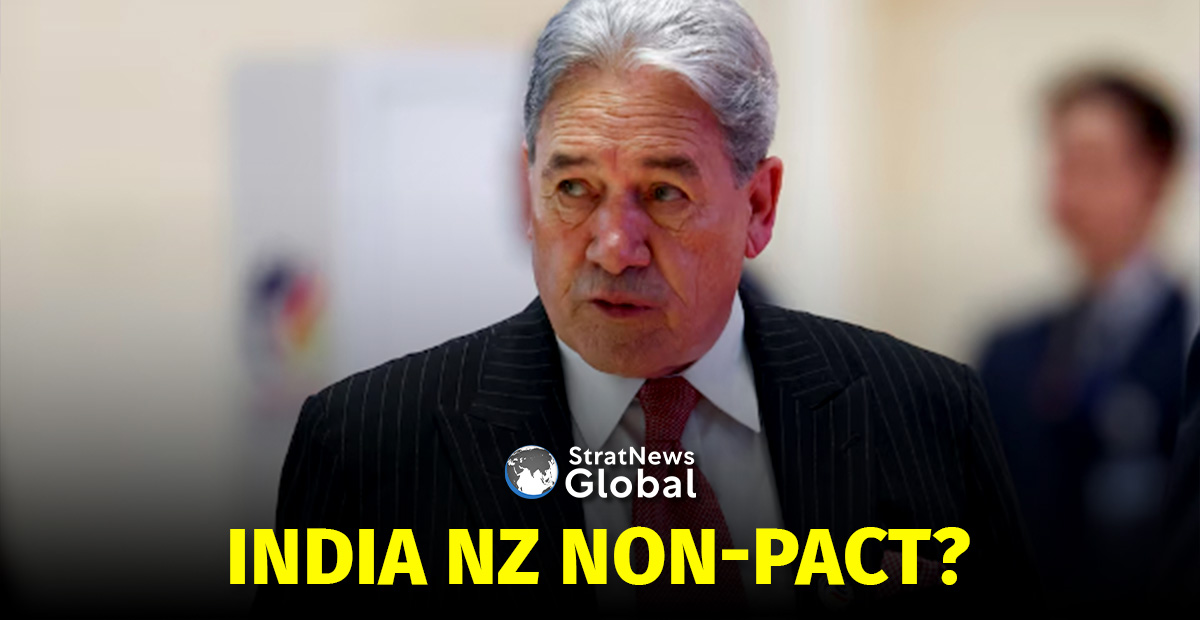
But it came with an unexpected attack from no less than New Zealand’s Foreign Minister Winston Peters, who said his New Zealand First party was “regrettably opposed” to the deal and would vote against it in parliament.
His post on X said “We consider the India-New Zealand Free Trade Agreement to be neither free nor fair. Regrettably, this is a bad deal for New Zealand. It gives too much away, especially on immigration, and does not get enough in return for New Zealanders, including on dairy.”
The India FTA would be New Zealand’s first trade deal to exclude major dairy products – including milk, cheese and butter. He also claimed that it had extraneous elements such as the immigration of Indians to New Zealand and investment in India.
The final agreement is expected to be inked in the first quarter of 2026 as the negotiated text is under legal scrub.