Mexico’s Senate on Wednesday approved tariff hikes of up to 50% next year on imports from India, China and other Asian countries, aiming to bolster local industry despite opposition from business groups.
The proposal, passed earlier by the lower house, will raise or impose new duties of up to 50% from 2026 on certain goods such as autos, auto parts, textiles, clothing, plastics and steel from countries without trade deals with Mexico, including China, India, South Korea, Thailand and Indonesia. The majority of products will see tariffs of up to 35%.
The Senate passed the bill with 76 votes in favour, 5 against and 35 abstentions. The approved bill is softer than one that stalled in the lower house this autumn, with tariffs on about 1,400 different product lines – mostly textiles, apparel, steel, auto parts, plastics and footwear – and reduced duties on roughly two-thirds of them compared with the original proposal.
Impact On India
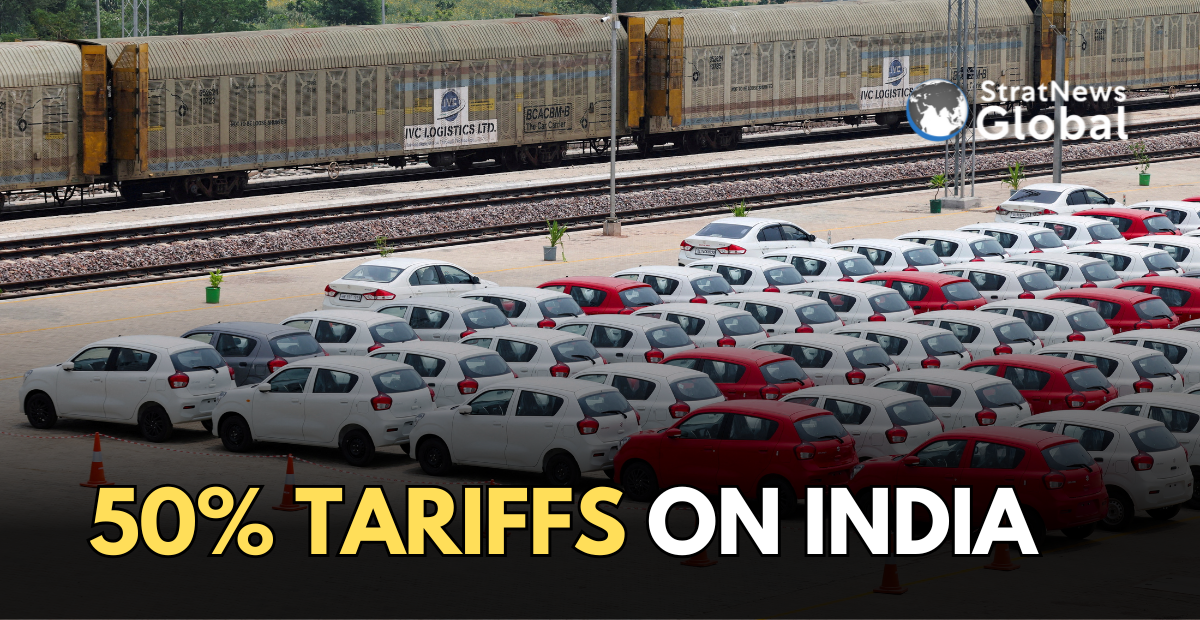
A NDTV article reports that Mexican tariffs will affect $1 billion worth of shipments from major Indian car exporters, such as Volkswagen, Hyundai, Nissan and Maruti Suzuki, per a report by Reuters.
It suggests that the import duty on cars will rise to 50% from 20%, dealing a significant blow to India’s largest vehicle exporters.
The Society of Indian Automobile Manufacturers, an industry group that counts VW, Hyundai and Suzuki among its members, had urged India’s commerce ministry in November to press Mexico to “maintain status quo” on tariffs for vehicles shipped from India
The tariff hike could force Indian automakers to reevaluate strategies reliant on Mexico, which is India’s third-largest car export market after South Africa and Saudi Arabia.
Car manufacturers in India have relied on exports to ensure production is maximised and there are economies of scale. Some also rely on exports to cushion slower domestic sales or improve margins – a business strategy that may need to be redrawn.
U.S. Push
Emmanuel Reyes, a senator from the ruling Morena party, defended the measure.
“These adjustments will boost Mexican products in global supply chains and protect jobs in key sectors,” said Reyes, who is chairman of the Senate Economy Committee.
“This is not merely a revenue-raising tool, but rather a means of guiding economic and trade policy in the interest of general welfare,” he said.
Mexico had said in September that it would raise its tariff on automobiles and other goods from countries like India and China. The United States has been pushing countries in Latin America to limit their economic ties with China, with which it competes for influence in the region.
(with inputs from Reuters)