African leaders, policymakers and financiers gathered on Monday for the African Development Bank’s annual meeting, as the continent faces declining international aid and growing pressure to find new sources of development finance.
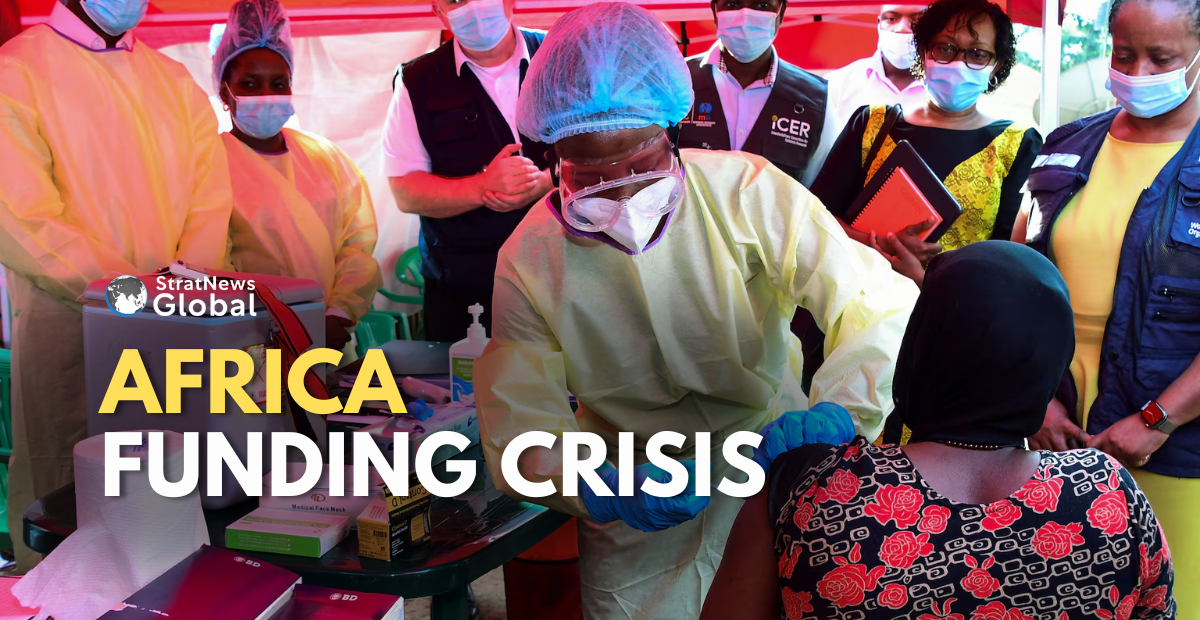
The summit, held in Congo Republic, comes at a challenging moment for the region, with an Ebola outbreak across the border in the Democratic Republic of Congo raising concerns about attendance and regional stability.
Aid Cuts Deepen Financing Strain
Global overseas development aid fell by nearly a quarter last year to $174.3 billion, with the United States leading reductions, including cuts to funding for the African Development Bank’s concessional lending arm.
The decline has intensified pressure on African economies already struggling with infrastructure gaps, climate challenges and job creation needs.
The African Development Bank (AfDB) estimates the continent faces a $400 billion annual financing shortfall.
Africa’s Own Capital in Focus
In response, the AfDB is promoting a shift towards mobilising domestic resources through a proposed New African Financial Architecture for Development (NAFAD).
The plan aims to raise development finance “at scale, at speed, and at lower cost” by leveraging Africa’s own financial systems, according to AfDB leadership.
Backers argue the continent holds around $4 trillion in institutional capital across pensions, sovereign wealth funds and savings schemes that could be better directed towards development projects.
Debate Over Feasibility
Some African leaders, including Kenyan President William Ruto, support pooling domestic capital to fund infrastructure and growth projects.
However, critics argue much of this capital is already committed to existing investments, and stress that low savings rates remain a structural challenge.
World Bank data shows Sub-Saharan Africa’s savings rate is around 18%, less than half the global average.
Need for External Support Remains
Analysts say domestic capital alone is unlikely to meet Africa’s massive development needs.
Economists argue that the focus should be on using local funds to attract foreign investment and reduce risks for global financiers through guarantees and partnerships.
Health Concerns Shadow Meeting
The summit is also being held under the shadow of an Ebola outbreak in the region, which has spread to Uganda and caused more than 170 suspected deaths.
While no cases have been reported in Congo Republic, authorities say there are no restrictions on the meeting in line with World Health Organisation guidance.
(with inputs from Reuters)