

Support us by contributing to StratNewsGlobal on the following UPI ID
ultramodern@hdfcbank

Strategic affairs is our game, South Asia and beyond our playground. Put together by an experienced team led by Nitin A. Gokhale. Our focus is on strategic affairs, foreign policy and international relations, with higher quality reportage, analysis and commentary with new tie-ups across the South Asian region.
You can support our endeavours. Visit us at www.stratnewsglobal.com and follow us on YouTube, Twitter, Facebook and Instagram.
र 500 per month
र 1000 per month
र 5000 per year
र 10000 per year
Donate an amount of your choice
र 500 per month
Donate र 500 per month

र 1000 per month
Donate र 1000 per month
र 5000 per year
Donate र 5,000 per year
र 10000 per year
Donate र 10,000 per year
Donate an amount of your choice
Donate an amount of your choice
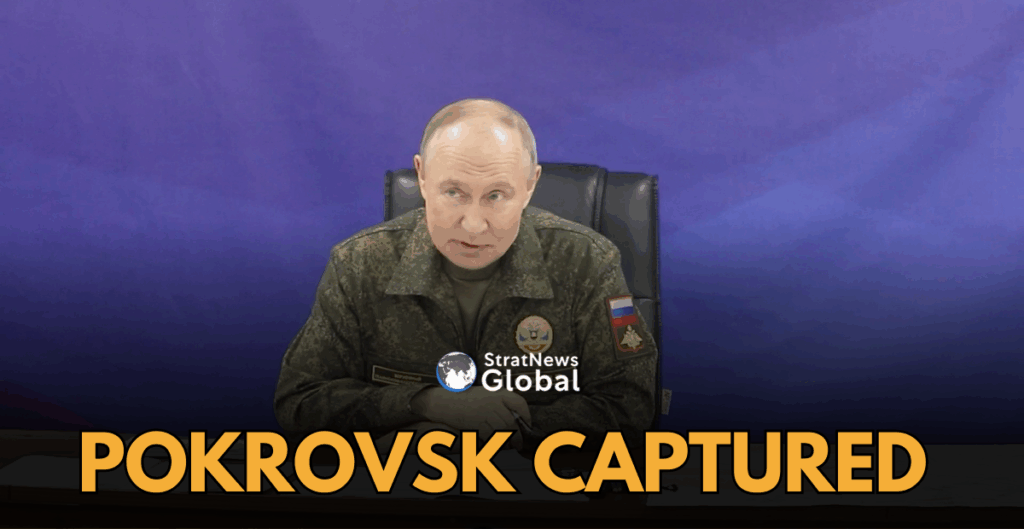


Russia Destroys Ukrainian Special Forces In Pokrovsk
Russian forces defeated a team of Ukrainian special forces which were rushed to the embattled eastern city of Pokrovsk in an attempt to prevent Russian forces from advancing further into the city, the Russian defence ministry said.
Russia wants to take the whole of the Donbas region, which comprises Luhansk and Donetsk provinces. Ukraine still controls about 10% of Donbas – an area of about 5,000 square km (1,930 square miles) in western Donetsk.
Gateway To Donetsk
Capturing Pokrovsk, dubbed “the gateway to Donetsk” by Russian media, and Kostiantynivka to its northeast, which Russian forces are also trying to envelop, would give Moscow a platform to drive north towards the two biggest remaining Ukrainian-controlled cities in Donetsk – Kramatorsk and Sloviansk.
Ukraine said that it had deployed special forces in Pokrovsk earlier in the week, landing a Black Hawk helicopter. At least 10 Ukrainian servicemen could be seen dismounting from a helicopter in a field in a video seen by Reuters.
Russia’s defence ministry said it had killed the group of Ukrainian military intelligence special forces.
“All 11 people who disembarked from the helicopter were killed,” the ministry said, adding that Russian forces were pushing forward in Pokrovsk and clearing the area.
Russian forces, it said, had pushed back an attempt by Ukraine’s 425th Separate Assault Regiment “Skala” to break out of Hryshyne, northwest of Pokrovsk, while the pincer around Ukrainian forces in the area was closing.
Battles around Hryshyne are significant, as they indicate Russian forces are close to cutting off Ukrainian supply lines to Pokrovsk.
Reuters was unable to verify battlefield reports from either side due to reporting restrictions imposed by both sides.
Russian Territory
Ukraine’s only mine producing coking coal – used in its once vast steel industry – is around six miles (10 km) west of Pokrovsk. Ukrainian steelmaker Metinvest said in January it had suspended mining operations there.
Russian President Vladimir Putin says Donbas is now legally part of Russia, but Kyiv and the West reject Moscow’s seizure of the territory as an illegal land grab.
Russian forces used a pincer movement to almost fully encircle Pokrovsk and threaten Ukrainian supply lines, then harried Ukrainian forces by sending in small units and drones to disrupt logistics and sow chaos in their rear.
Essentially, Russia’s tactics carved what Russian military bloggers called a grey zone of ambiguity out of the city where neither side had control, but which was extremely difficult – and costly – to defend.
To clear both Pokrovsk and nearby Myrnohrad may take some time, and so delay Russia’s formal announcement.
(with inputs from Reuters)
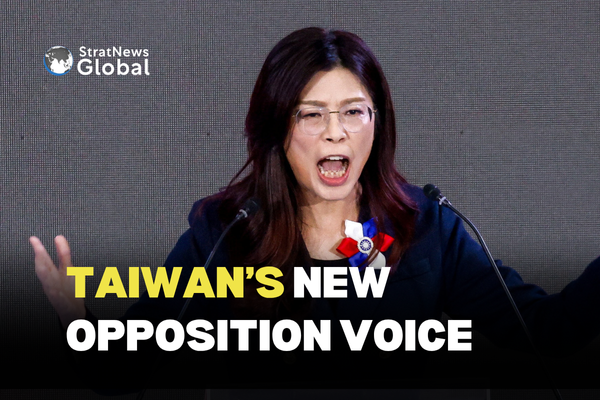
Taiwan: New KMT Chief Warns Of Conflict With China
Taiwan’s new opposition leader, Cheng Li-wun, officially assumed leadership of the Kuomintang (KMT) on Saturday, warning of the growing danger of conflict with China. She promised to guide the island into a new era of peace across the Taiwan Strait.
Cheng, a former lawmaker, now leads Taiwan’s largest opposition party at a time when political and military tensions with Beijing are high. China continues to claim Taiwan as part of its territory, a stance firmly rejected by the ruling Democratic Progressive Party (DPP).
During her inauguration ceremony at a high school stadium in Taipei, Cheng told party members that Taiwan faced constant threats of war. “This is the worst of times. The Taiwan Strait faces grave military danger and the world is watching closely,” she said.
A Shift Toward Closer Ties With Beijing
Historically, the KMT has favoured engagement with Beijing, unlike the DPP, which rejects China’s sovereignty claims. Cheng, aged 55, has already signalled a friendlier stance towards China than her predecessor, Eric Chu. Chu, who led the party from 2021, avoided visiting the mainland and focused on building international ties instead.
Following Cheng’s election last month, Chinese President Xi Jinping quickly offered his congratulations. He called for joint efforts to promote what he described as “reunification”. On Chinese social media, users have even nicknamed Cheng the “reunification goddess”, a title she dismissed, advising people to “laugh off” such comments if untrue.
Balancing Peace Efforts And Domestic Challenges
The KMT’s new deputy chairman, Hsiao Hsu-tsen, visited China this week and met Song Tao, head of the Taiwan Affairs Office. In her first address as party leader, Cheng avoided revealing any concrete plans for talks with Beijing. Instead, she pledged that “the KMT will be the party that opens a new era of cross-Strait peace and leads Taiwan forward.”
Cheng also expressed opposition to increasing defence spending, a key policy of President Lai Ching-te that enjoys strong backing from the United States.
Despite losing the presidential race last year, the KMT and its ally, the Taiwan People’s Party, together control a majority in parliament. This balance has made it harder for the DPP to approve budgets and major legislation.
Preparing for Local Elections
One of Cheng’s first major tests will be the mayoral and local elections scheduled for late next year. These contests are expected to focus mainly on domestic concerns but will likely indicate the public’s mood ahead of the 2028 presidential race.
(with inputs from Reuters)
Taiwan-US Heads Together On Semiconductors, Supply Chains
Taiwan’s representative to the APEC summit, Lin Hsin-i, said on Saturday that he and United States Treasury Secretary Scott Bessent discussed supply chains and semiconductor cooperation during a meeting held on the sidelines of the gathering in Gyeongju, South Korea.
Lin, a former economy minister, said their forty-minute discussion focused on building secure and resilient supply chains and deepening technological collaboration between Taiwan and the United States. He noted that Secretary Bessent had shown particular interest in understanding how Taiwan developed its globally dominant semiconductor industry, which forms the backbone of modern technology production.
“The two had a very wide-ranging discussion, covering cooperation in technology, the security of supply chains, and many other issues,” Lin told reporters. “He said he was intrigued to hear how Taiwan developed its high-tech semiconductor cluster and listened with great interest,” he added.
The United States Treasury Department did not immediately respond to a request for comment. Like most countries, the United States maintains no official diplomatic relations with Taiwan but remains the island’s most important international partner and supplier of defence equipment.
Taiwan’s exports to the United States, excluding semiconductors, are currently subject to a 20 per cent tariff, although Taipei has been holding discussions with Washington to reduce this figure.
Former United States President Donald Trump departed South Korea after meeting Chinese President Xi Jinping ahead of the APEC leaders’ summit, leaving Secretary Bessent to head the American delegation. Japanese Prime Minister Sanae Takaichi also met Lin at the event and later shared a photograph of their meeting on X.
The Asia-Pacific Economic Cooperation (APEC) forum remains one of the few international platforms in which Taiwan participates, under the name “Chinese Taipei” to avoid political friction with Beijing, which claims the island as part of its territory.
Lin declined to comment on whether he had spoken to Xi during the summit. Taiwan’s Central News Agency reported that there was no interaction between the two at the closing ceremony group photograph, despite both being on the same stage. At last year’s summit in Peru, Lin greeted Xi with a wave but they did not speak, although he did meet then United States President Joe Biden in Lima.
China is set to host the 2026 APEC summit in Shenzhen, its southern manufacturing hub known for robotics and electric vehicle production. Taiwan’s foreign ministry official Jonathan Sun said that China had provided written assurances about the safety of participants and that Taipei was working within the APEC framework to ensure that Beijing honoured its commitments.
China’s government, which refuses to engage with Taiwan’s President Lai Ching-te, continues to label him a separatist and has increased military pressure around the island. Taiwan’s government maintains that only the people of Taiwan have the right to decide their future.
(With inputs from Reuters)
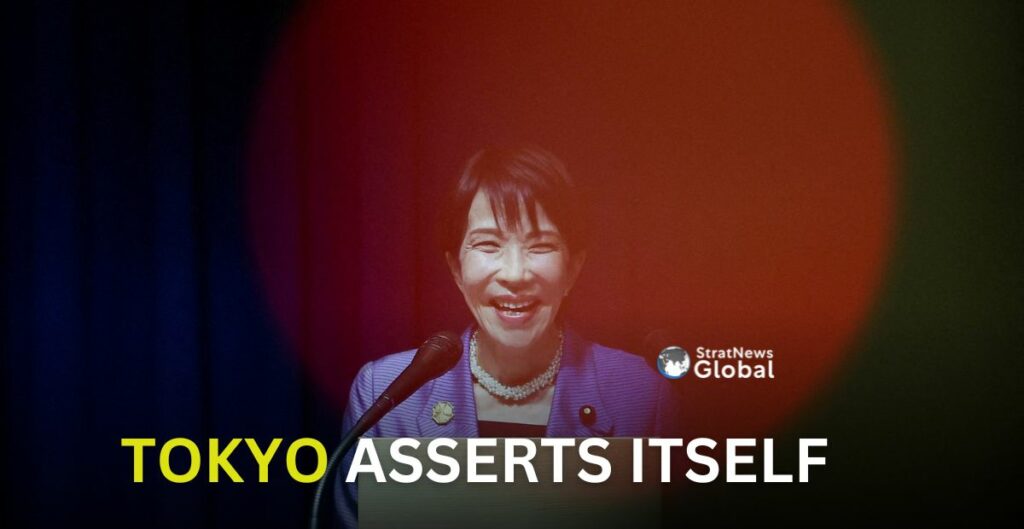
Japan Steps Up Direct Support for Ukraine As US Hedges
While US continues to shift its position on Ukraine, Japan is quietly taking a more consistent and independent approach. As The Diplomat reports, Tokyo has stepped up its security cooperation with Europe and expanded direct assistance to Ukraine, signaling a more assertive foreign policy.
From November 3 to December 5, Japan’s Ground Self-Defense Force (GSDF) will deploy two officers to Lithuania as part of a multinational coalition with Denmark, Finland, Iceland, Norway, and Sweden.
The mission aims to train Ukrainian forces in demining operations, a field where Japan already has experience, having helped Cambodia build its post-conflict clearance capabilities.
The initiative is part of the Lithuania-led “Demining Capability Coalition,” which is hosting a new training center for Ukrainian troops.
According to the magazine, defense analyst Michael M. Bosack, the mission stands out for several reasons. It is Japan’s first deployment in direct support of Ukraine, outside a U.N. peacekeeping framework, within a NATO country, and without U.S. military involvement.
“The nonreaction from Japanese policy actors and audiences following this announcement reveals a maturation of political sensibilities related to these sorts of activities,” Bosack wrote, suggesting growing acceptance of Japan’s proactive security role.
Beyond this deployment, Japan has been steadily increasing its support for Ukraine. Tokyo recently sent another shipment of military vehicles and hosted the third international conference on land-mine clearance in Ukraine.
Japan’s Air Self-Defense Force (ASDF) also completed a first-ever fighter jet mission to Europe from September 14 to October 1, sending F-15s to the United States, Canada, the United Kingdom, and Germany. The Ministry of Defense described the 180-person “Atlantic Eagles” exercise as part of Tokyo’s recognition that “the security of the Euro-Atlantic and Indo-Pacific are interconnected.”
While Donald Trump and Takaichi Sanae have hailed a “golden age” in Japan-U.S. relations, Tokyo’s steady engagement in Europe reflects a desire to diversify its partnerships and unwavering stance towards Ukraine.
South Korea Seeks Xi’s Help To Engage With North Korea
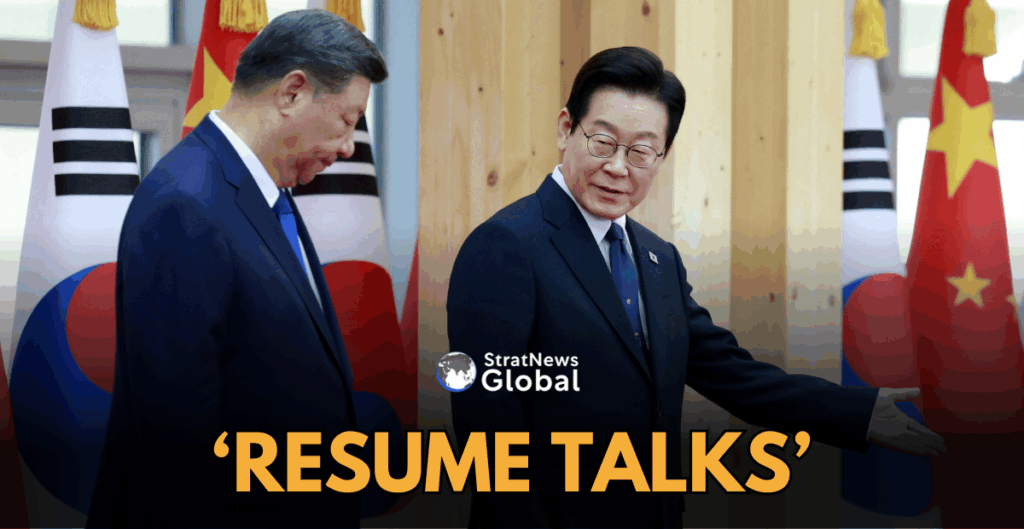
South Korean President Lee Jae Myung sought Chinese President Xi Jinping’s help in efforts to resume talks with nuclear-armed neighbour North Korea on Saturday, while Xi told Lee he was willing to widen cooperation and jointly tackle the challenges they face.
Lee hosted Xi at a state summit and dinner after an Asia-Pacific leaders’ forum in the South Korean city of Gyeongju, marking Xi’s first visit to the U.S. ally in 11 years.
Beijing attaches great importance to relations with Seoul and sees South Korea as an inseparable cooperative partner, Xi said ahead of the summit, according to Lee’s office.
Lee, who was elected president in a snap election in June, has promised to strengthen ties with the United States while not antagonising China and seeking to reduce tensions with the North.
“I am very positive about the situation in which conditions for engagement with North Korea are being formed,” Lee said, referring to recent high-level exchanges between China and North Korea.
“I also hope that South Korea and China will take advantage of these favourable conditions to strengthen strategic communication to resume dialogue with North Korea.”
Ties With North Korea
Lee has called for a phased approach to denuclearising North Korea, starting with engagement and a freeze on further development of nuclear weapons.
In a statement on Saturday, Pyongyang, a military and economic ally of China, dismissed the denuclearisation agenda as an unrealisable “pipe dream”.
North Korea has repeatedly and explicitly rejected Lee’s overtures, saying it will never talk to the South. In recent years, Pyongyang abandoned its longstanding policy of unification with the South and called Seoul a main enemy.
Leader Kim Jong Un said he would be willing to talk to the United States if Washington drops demands for denuclearisation, but he did not publicly respond when U.S. President Donald Trump offered talks during his visit to South Korea earlier this week.
Trump and Lee announced a surprise breakthrough in talks to lower U.S. tariffs in return for billions of dollars in investment from South Korea. The U.S. president then departed before the main APEC leaders’ summit.
China-South Korea Ties
The won-yuan swap line of a maximum 70 trillion won ($49.24 billion) for 400 billion yuan will be in place for five years between the Bank of Korea and the People’s Bank of China, South Korea’s presidential office said.
It is the same amount as the last one that expired in October.
Beijing and South Korea also signed six memorandums of understanding in various areas, including economic cooperation, trade in services and agricultural exports.
South Korea is a military ally and major trading partner with the United States, but is also heavily reliant on trade with China.
Anti-China Rally
Hundreds of protesters joined an anti-China rally in Seoul on Saturday as Xi and Lee met.
Protesters carried placards saying “South Korea belongs to South Korea” and “China Out”, while chanting “Chinese and Communism, get out of South Korea” as they marched through the vibrant shopping street in the Hongdae area.
Kim Hye Kyung, a 64-year-old conservative protester, said she joined the rally to “protect liberal democracy” in her country.
Amid a rise in such protests, in October Lee ordered a crackdown on anti-Chinese and anti-foreigner rallies that he said were harming the country’s image and economy.
(with inputs from Reuters)
At APEC Xi Moots Global Body For AI Governance
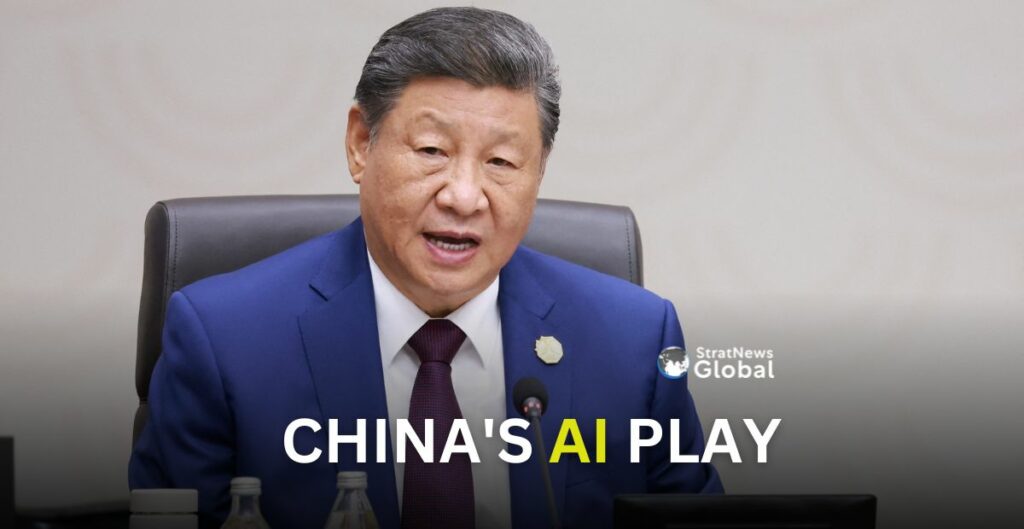
During the APEC meeting on Saturday, Chinese President Xi Jinping proposed for a global body to govern artificial intelligence (AI) and position China as an alternative to the United States on trade cooperation.
These remarks marked the Chinese leader’s first public comments on an initiative unveiled by Beijing earlier this year, even as the United States has opposed attempts to establish international regulations for artificial intelligence.
Xi said a World Artificial Intelligence Cooperation Organization could set governance rules and boost cooperation, making AI a “public good for the international community”.
In remarks published by the official news agency Xinhua, Xi added, “Artificial intelligence is of great significance for future development and should be made for the benefit of people in all countries and regions.”
Chinese officials have said the organisation could be based in the commercial hub of Shanghai.
U.S. President Donald Trump did not attend the APEC leaders’ summit in South Korea, flying back to Washington directly after a meeting with Xi.
The two leaders’ talks yielded a one-year deal to partially roll back trade and technology controls that had spiked tension between the world’s two biggest economies.
China’s Push
In Trump’s absence, analysts had expected Xi to use the APEC meeting to promote China as champion for its own brand of multilateral cooperation on trade and economic development.
While advanced chips made by California-based Nvidia are central to the AI boom, China-based developer DeepSeek has rolled out lower-cost models taken up by Beijing in a push for what it calls “algorithmic sovereignty”.
Xi also urged APEC to promote the “free circulation” of green technologies, a cluster of industries from batteries to solar panels that China dominates.
APEC members approved a joint declaration and pacts on AI and the challenge of ageing populations at the meeting.
China will host the 2026 APEC summit in Shenzhen, a major hub for manufacturing, from robotics to electric car production.
Xi said the city of nearly 18 million had been a fishing village until it boomed as one of China’s first special economic zones in the 1980s.
APEC is a consultative forum of 21 nations representing half of global trade.
(With inputs from Reuters)
China Tracks Philippine-Led Joint Maritime Patrol
China’s military announced on Saturday that it had monitored and tracked a joint maritime patrol led by the Philippines in the contested South China Sea on 30 and 31 October.
The statement followed growing tensions in the region after Washington and Manila unveiled plans on Friday to establish a new joint task force, aimed at enhancing cooperation in areas including the South China Sea, one of the world’s busiest waterways, through which over $3 trillion in trade passes each year.
Tian Junli, spokesperson for the Southern Theatre Command of the People’s Liberation Army, condemned the patrol, which involved undisclosed partners, accusing it of “seriously undermining regional peace and stability.” He described the Philippines as “a troublemaker” and warned that Chinese forces remained on high alert, vowing to “resolutely safeguard national sovereignty and maritime interests.”
The Philippine embassy in Beijing has yet to comment on the incident. The patrol reportedly included forces from Australia, New Zealand, the Philippines, and the United States, who conducted joint drills on 30 and 31 October in the South China Sea.According to the U.S. 7th Fleet, the exercise was designed to highlight “a collective commitment to regional and international cooperation in support of a free and open Indo-Pacific.”
China, which lays claim to nearly the entire South China Sea overlapping with territories claimed by Brunei, Indonesia, Malaysia, the Philippines, and Vietnam continues to reject the 2016 Hague tribunal ruling that dismissed its expansive claims as inconsistent with international law.
(With inputs from Reuters)
China: Influencers Must Get Degrees Or Stay Silent
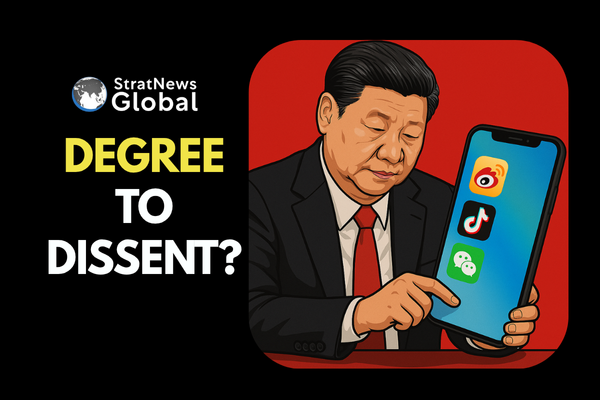
Not for the first time, China’s online community is up in arms over what it sees as government efforts to control or tame the net. This time its over a government directive issued on the weekend which requires all content creators and influencers to hold relevant degrees or professional licences.
Under the new policy, any content creator or influencer who discusses “serious topics” such as health, medicine, law, education or finance must hold a relevant university degree or professional licence. Platforms including Douyin (China’s TikTok equivalent), Weibo, and Bilibili are now required to verify these credentials before allowing users to publish expert commentary. Violators could face fines of up to 100,000 yuan (approximately $14,000), account suspensions, or permanent bans.
Beijing says the move is necessary to ensure online discourse remains accurate and professional. It would curb misinformation spreading through social media, particularly in sensitive sectors where unqualified advice could lead to harm. The regulation also includes provisions to label AI-generated content and requires influencers to disclose when they are offering professional opinions.
Chinese authorities argue that the country’s influencer economy has become too vast and powerful to operate without oversight. They cite a growing tide of inaccurate or misleading content on subjects such as finance, health, and education, often shared by creators lacking formal expertise.
To address this, Beijing has introduced what it terms “influencer credentialisation” , a system that requires influencers to prove their qualifications before commenting on specialised issues.
Public Backlash, Online Outrage
The backlash was quick in coming. On platforms like Weibo, hashtags such as #NoDegreeNoDiscussion trended briefly before being swiftly censored. Many users expressed frustration that the rule effectively excludes millions of ordinary voices from public debate, allowing only those with formal qualifications and often state-approved credentials to discuss meaningful issues.
Critics have called the regulation a new form of digital gatekeeping that will silence self-taught experts, independent commentators, and grassroots activists. Some users have even likened it to a modern-day censorship mechanism, one that hides behind the guise of professional regulation. A Weibo user wrote before their post was deleted, “This isn’t about protecting citizens; it’s about silencing them.”
Similar sentiments have flooded Reddit and X (formerly Twitter), where international observers described the rule as another step in Beijing’s long campaign to consolidate control over online expression.
The ambiguity of the new regulation has also raised concern. It does not clearly define what qualifies as a “relevant” degree or specify how foreign or online qualifications will be treated.
Social media platforms, now tasked with verifying influencer credentials, face mounting pressure and the risk of financial penalties for non-compliance. This could lead to over-censorship, with platforms erring on the side of caution by removing even legitimate content.
Analysts see the new rule as part of China’s wider effort to tighten control over the digital space, following earlier bans on “negative emotions” and stricter limits on livestreaming. Together, these measures aim to manage online narratives and curb dissent, ensuring state-approved voices dominate public debate.
Globally, the policy has reignited discussion on how far regulation should go. Supporters say credential checks could improve accountability, while critics warn it could turn free expression into a privilege for the educated elite. For China’s influencers, the message is clear prove your credentials or stay silent.
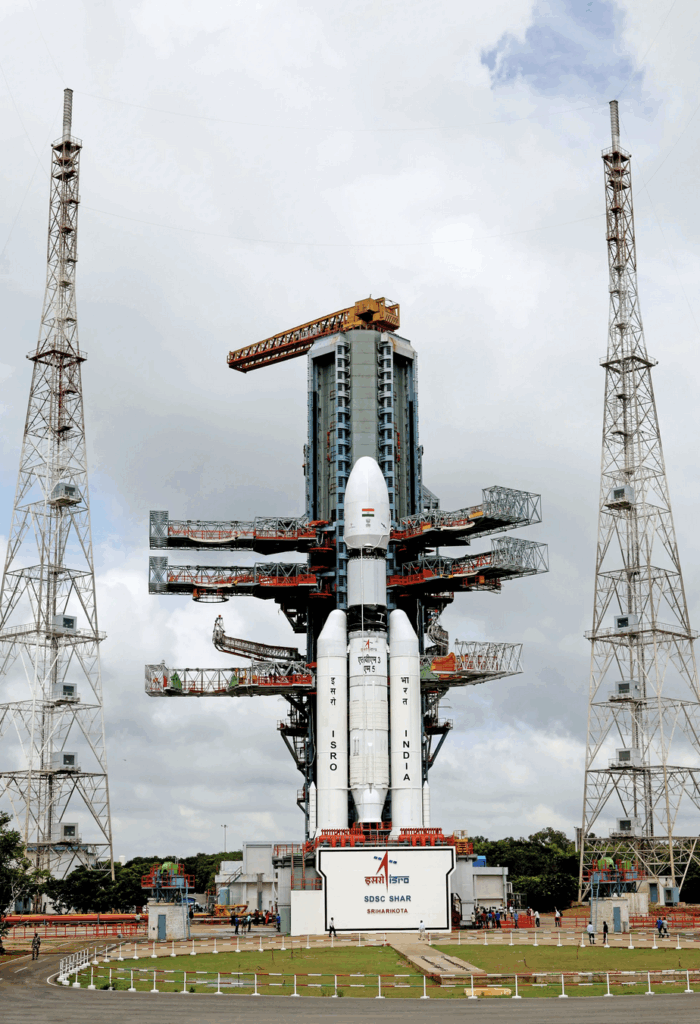
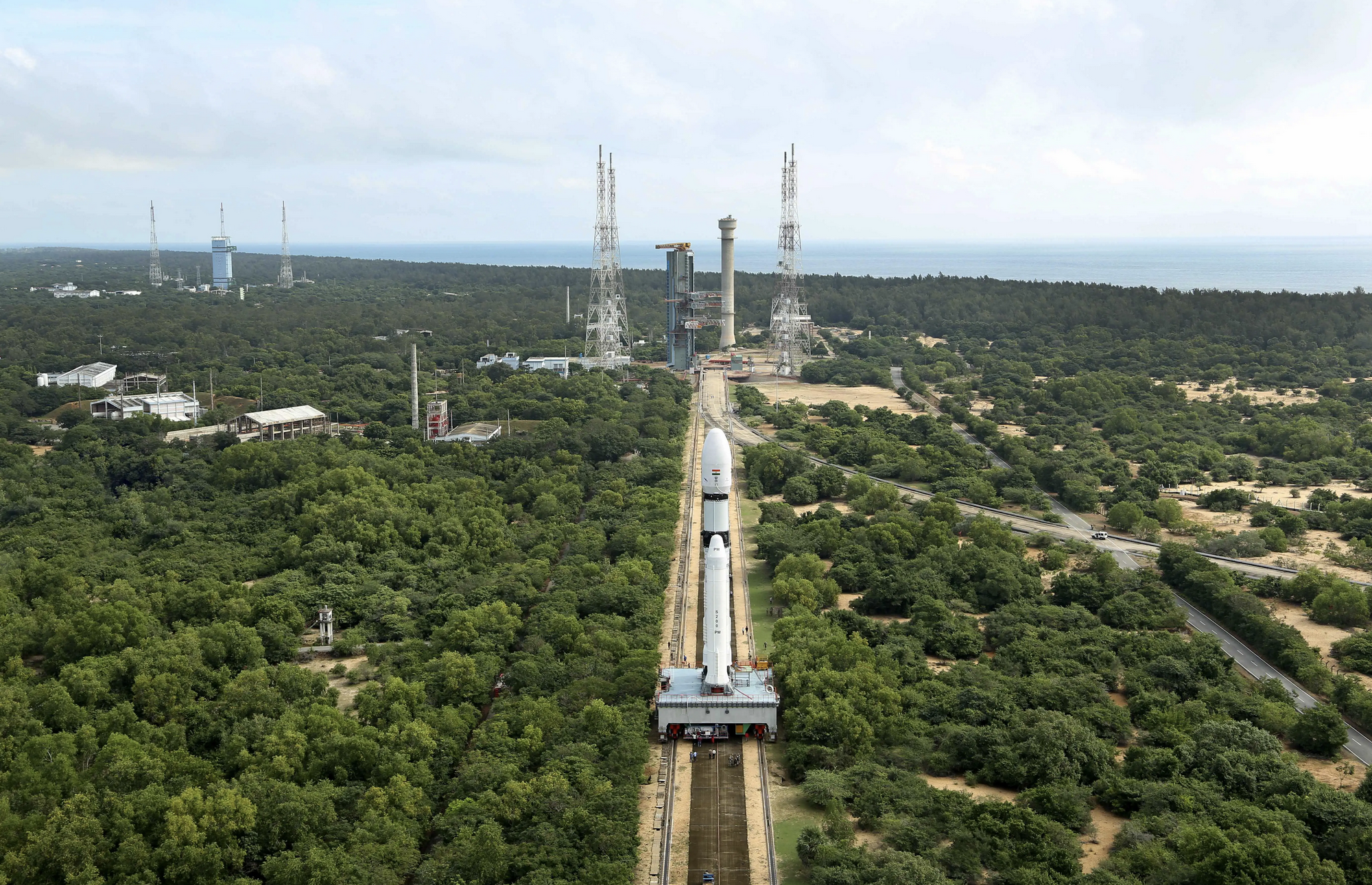
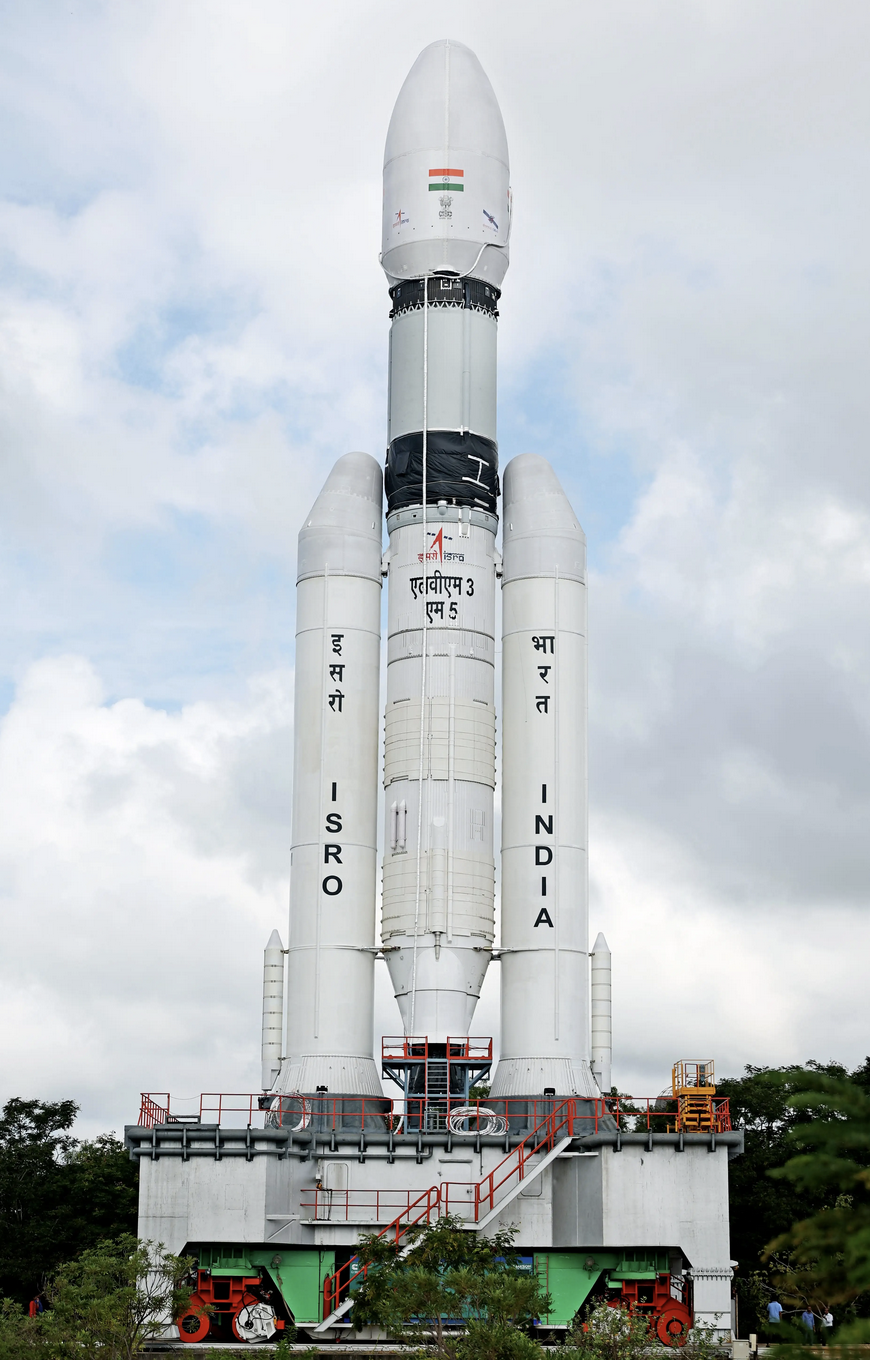
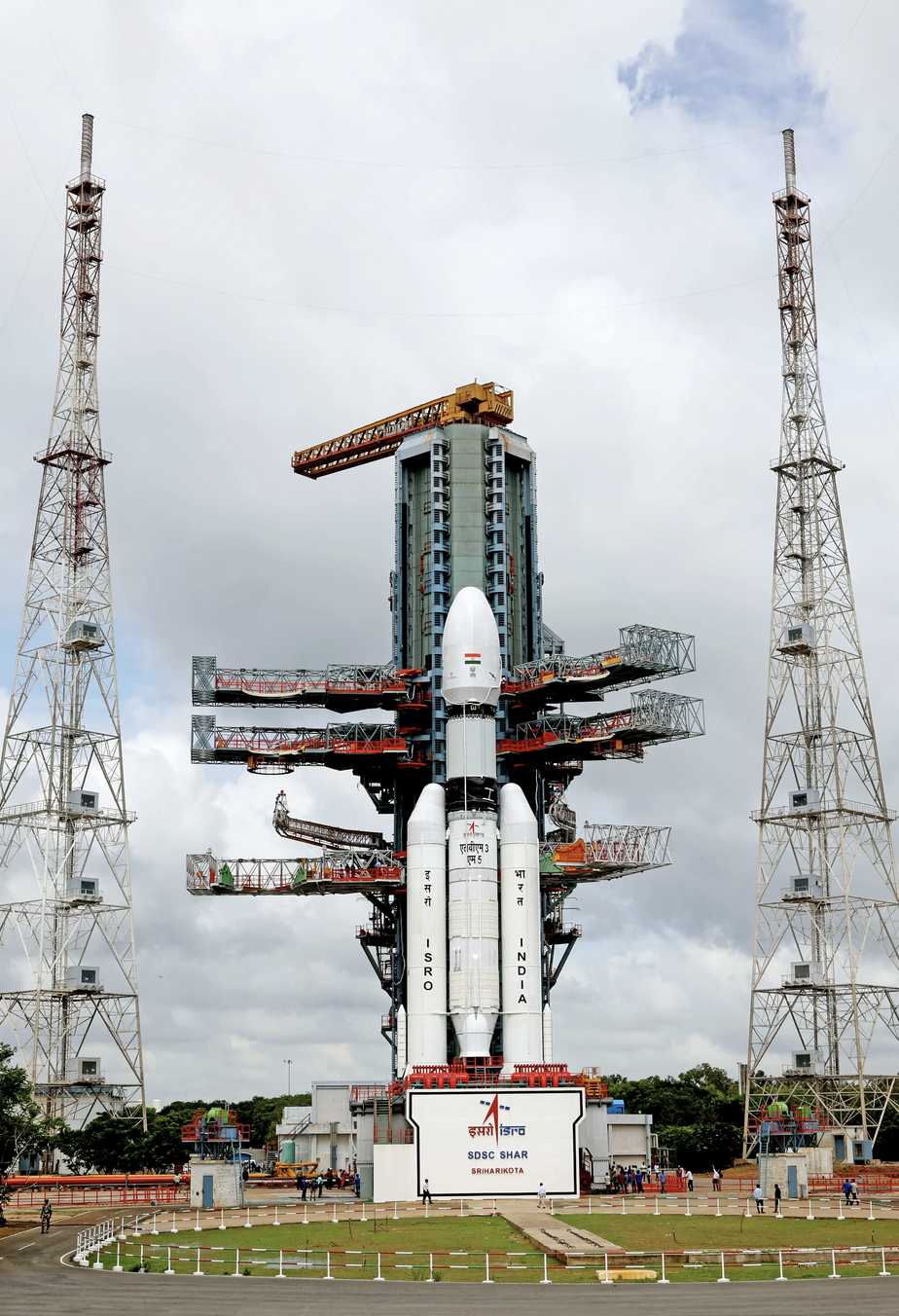
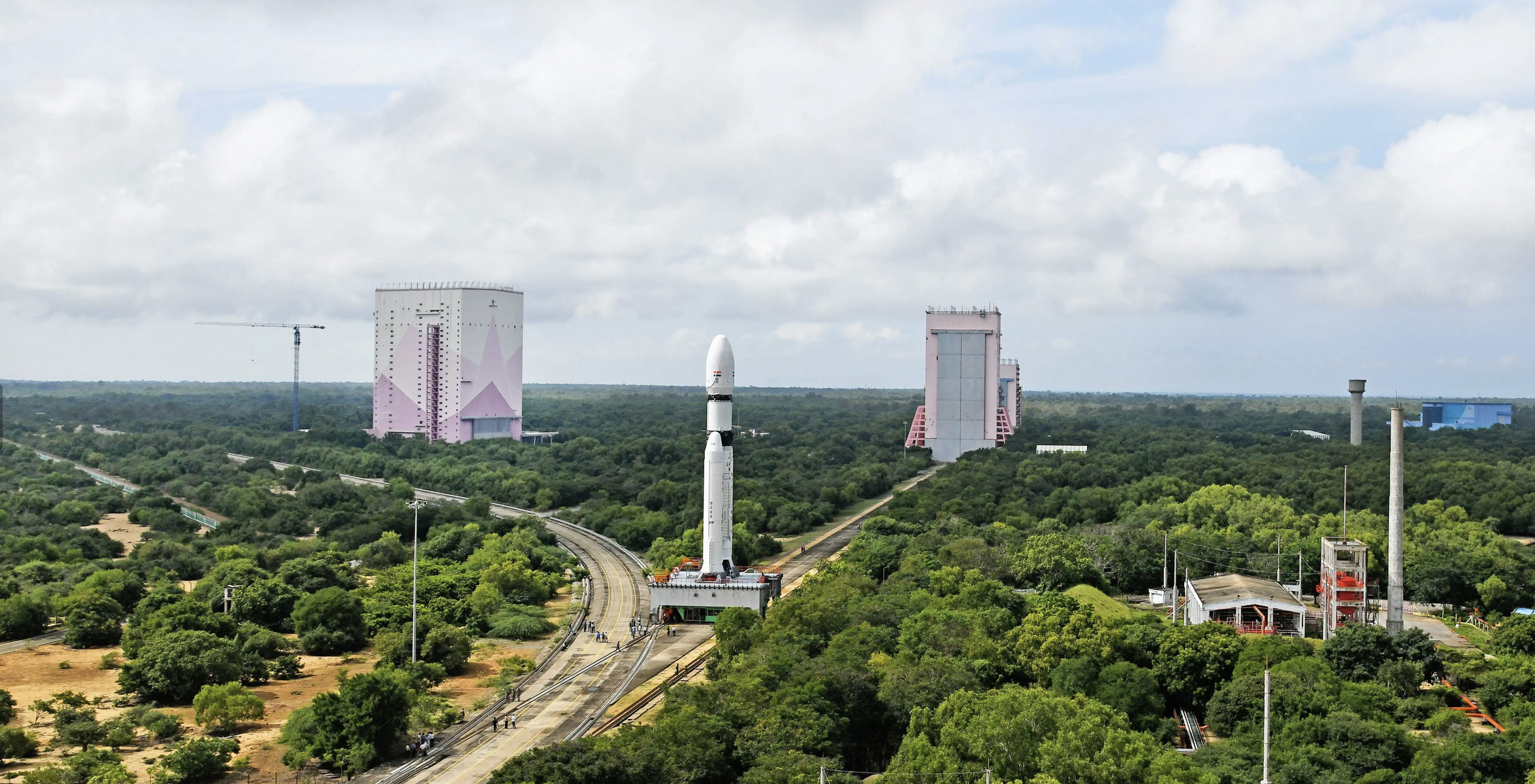
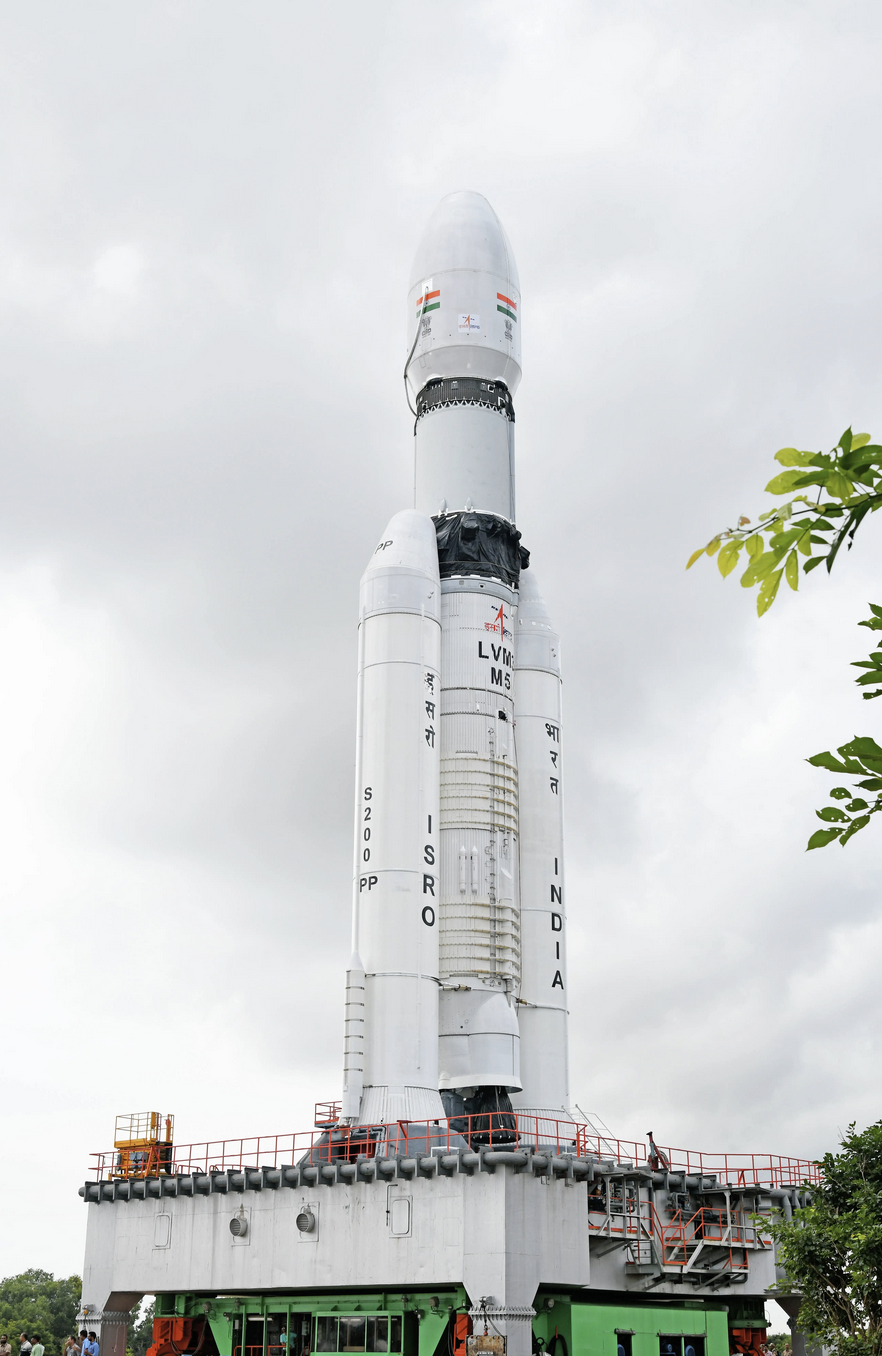
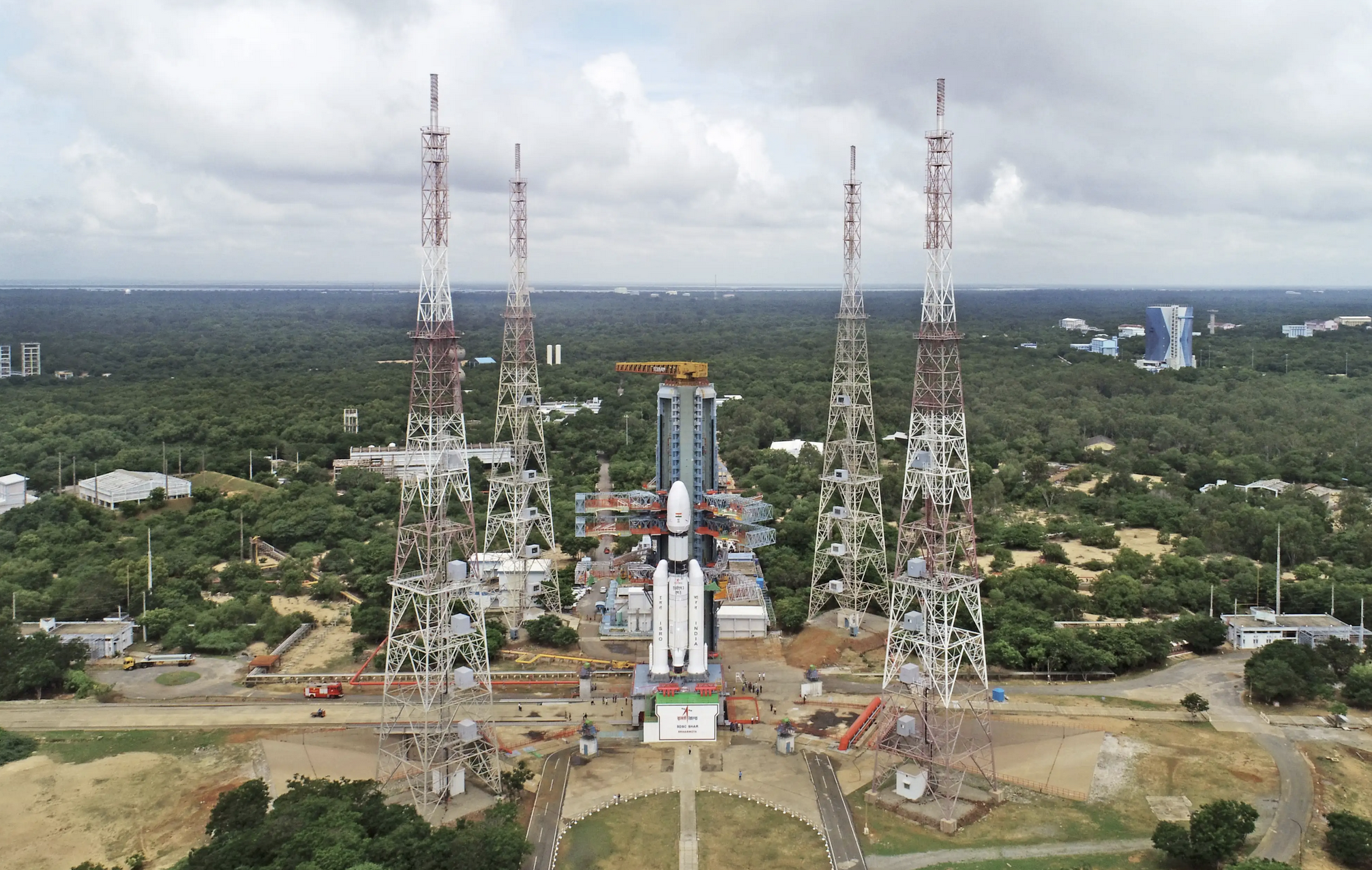
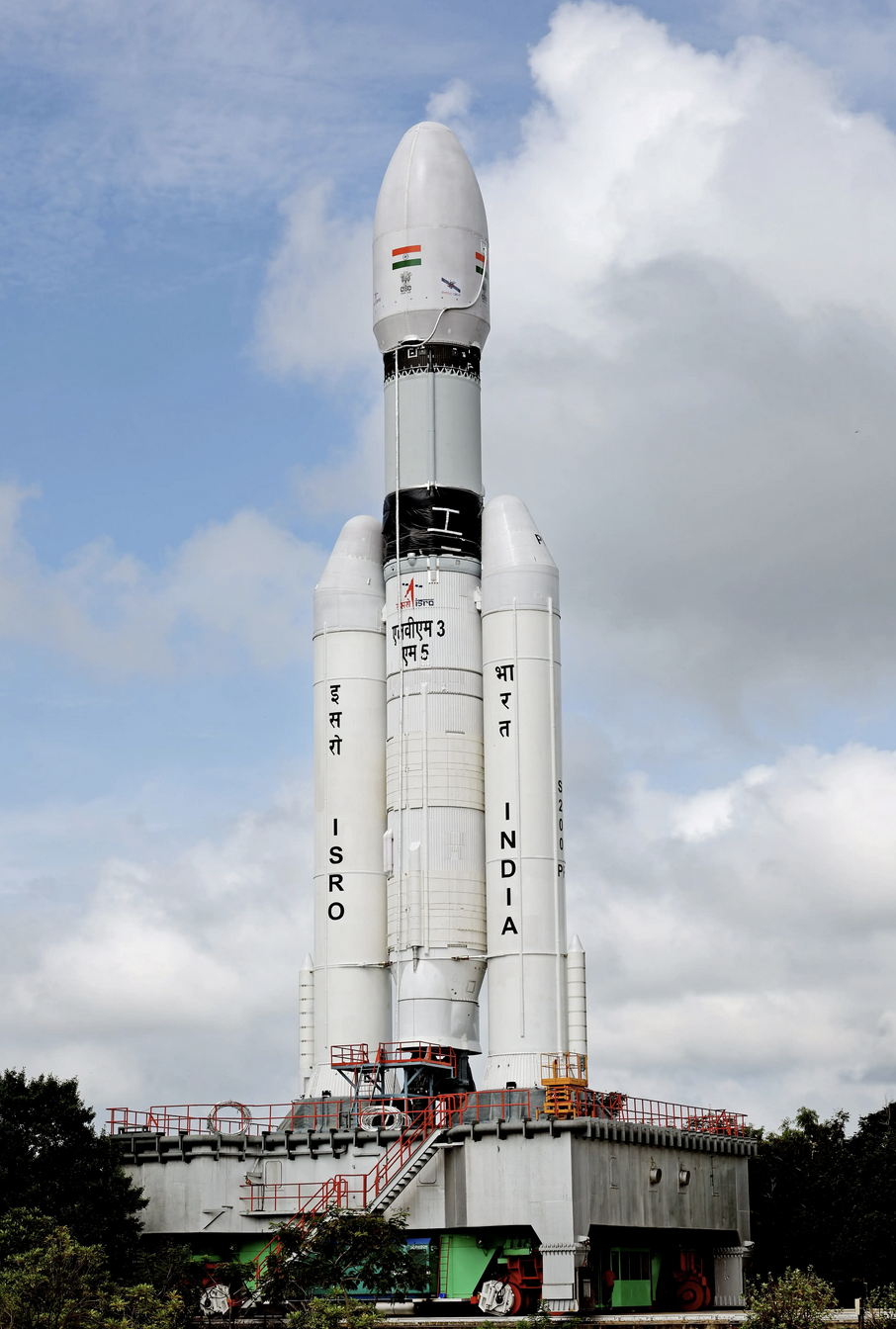
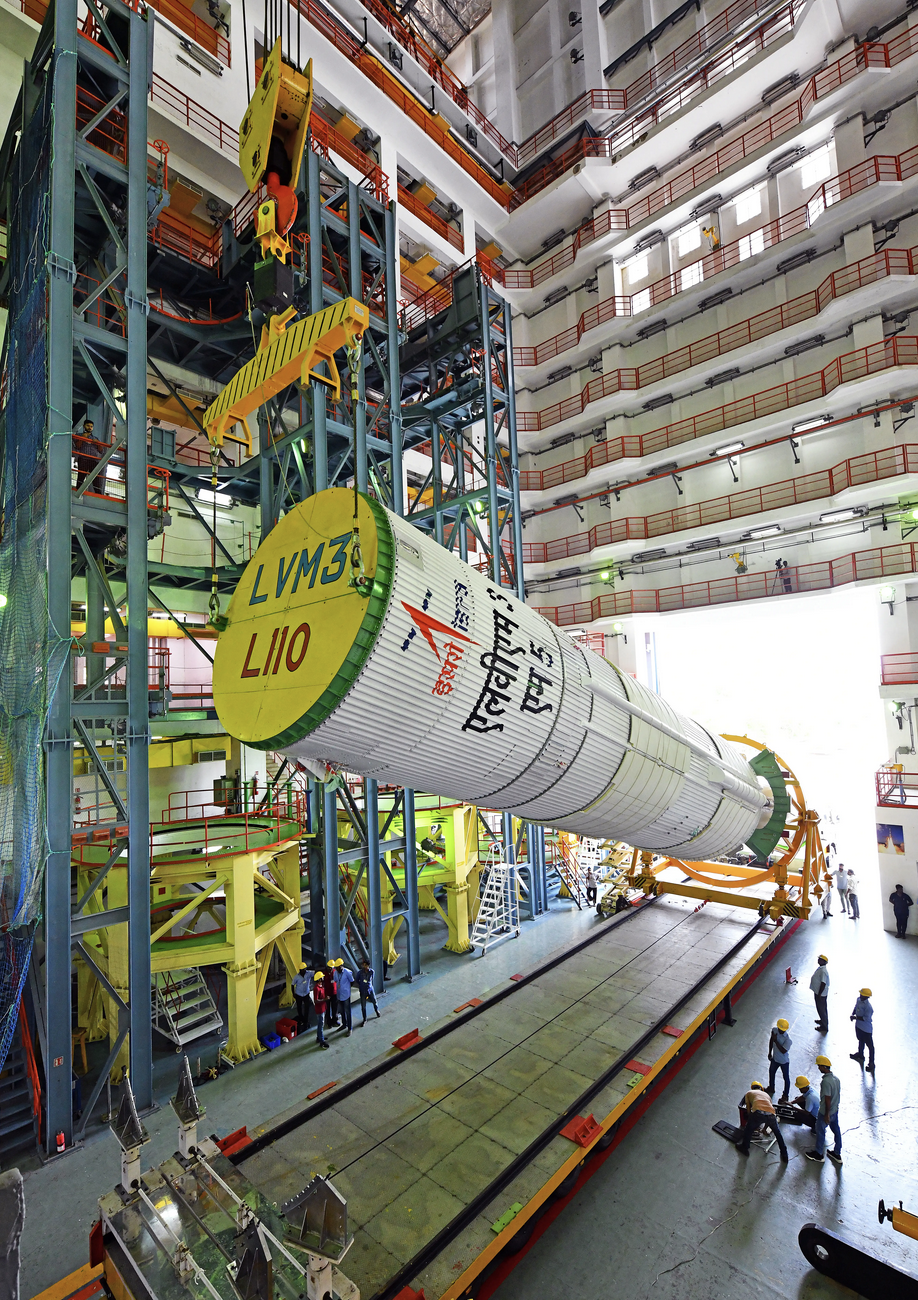
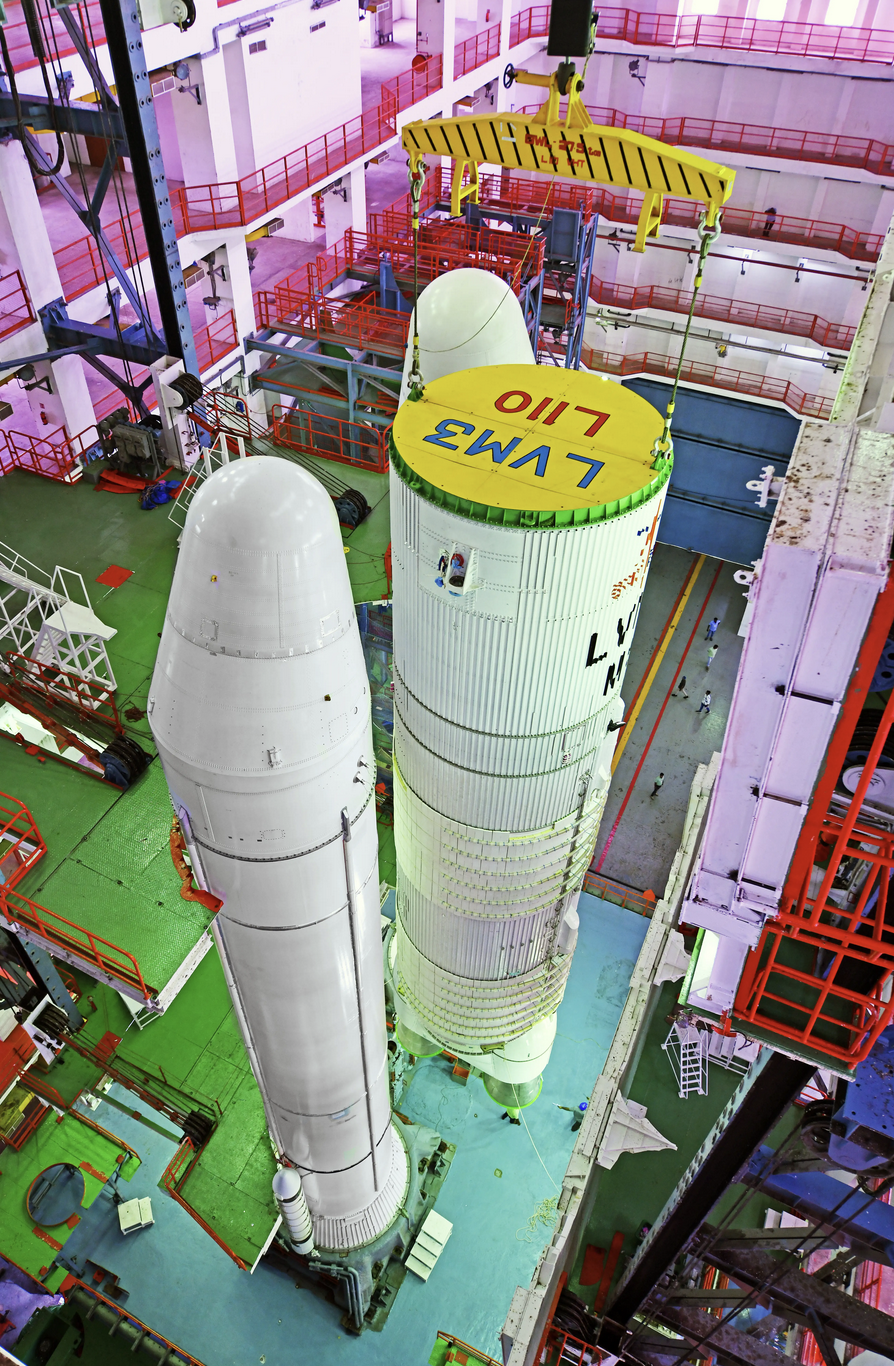
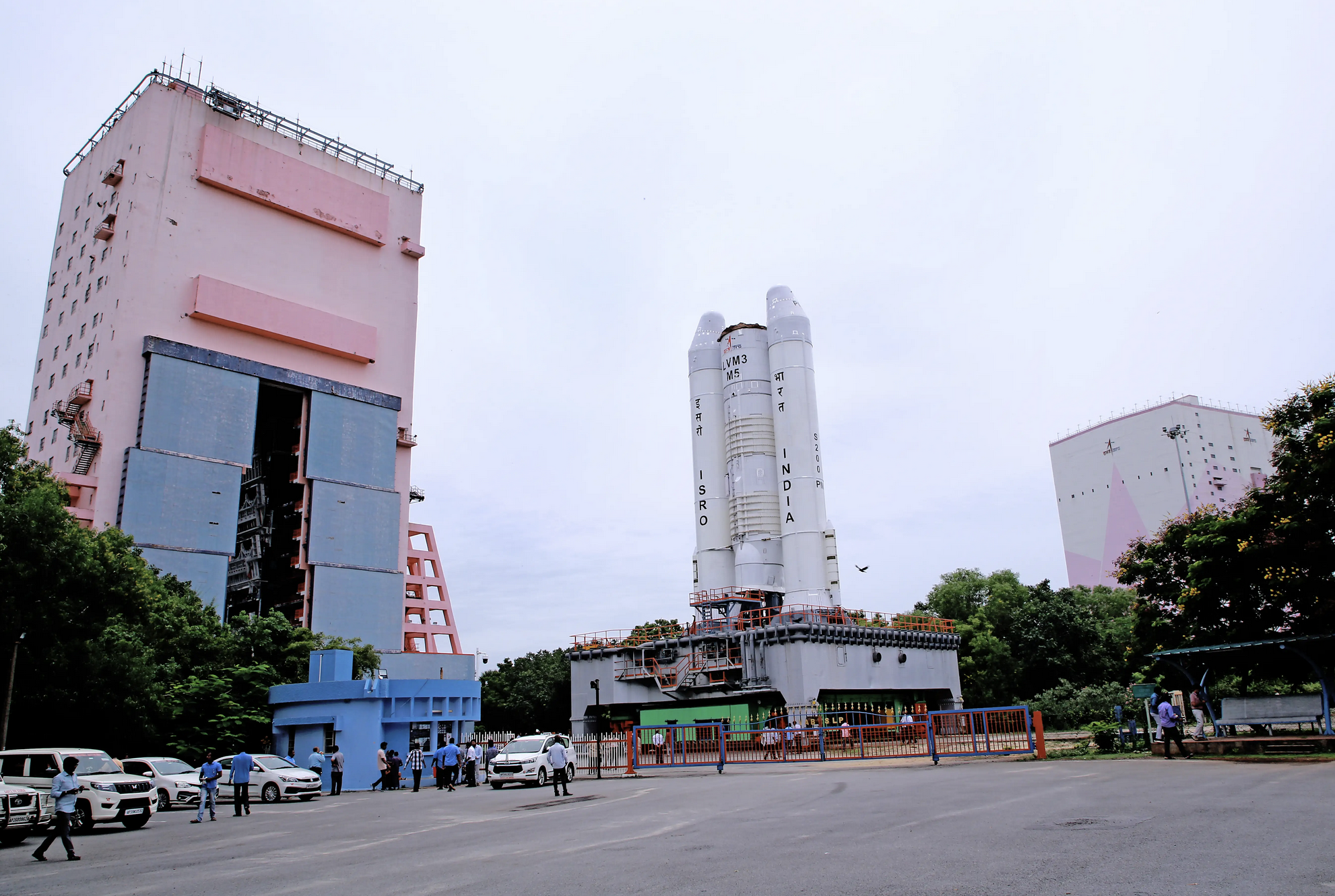
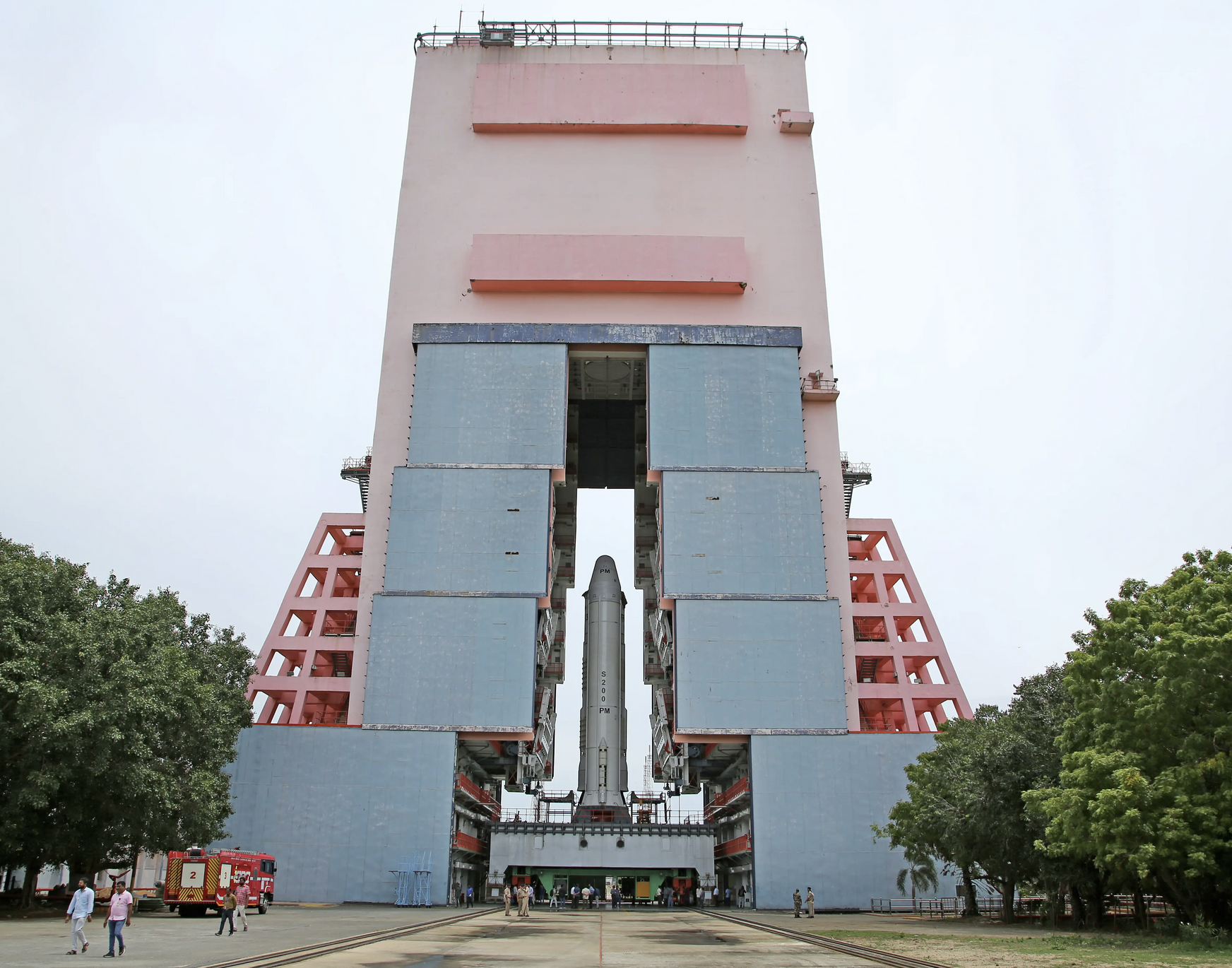
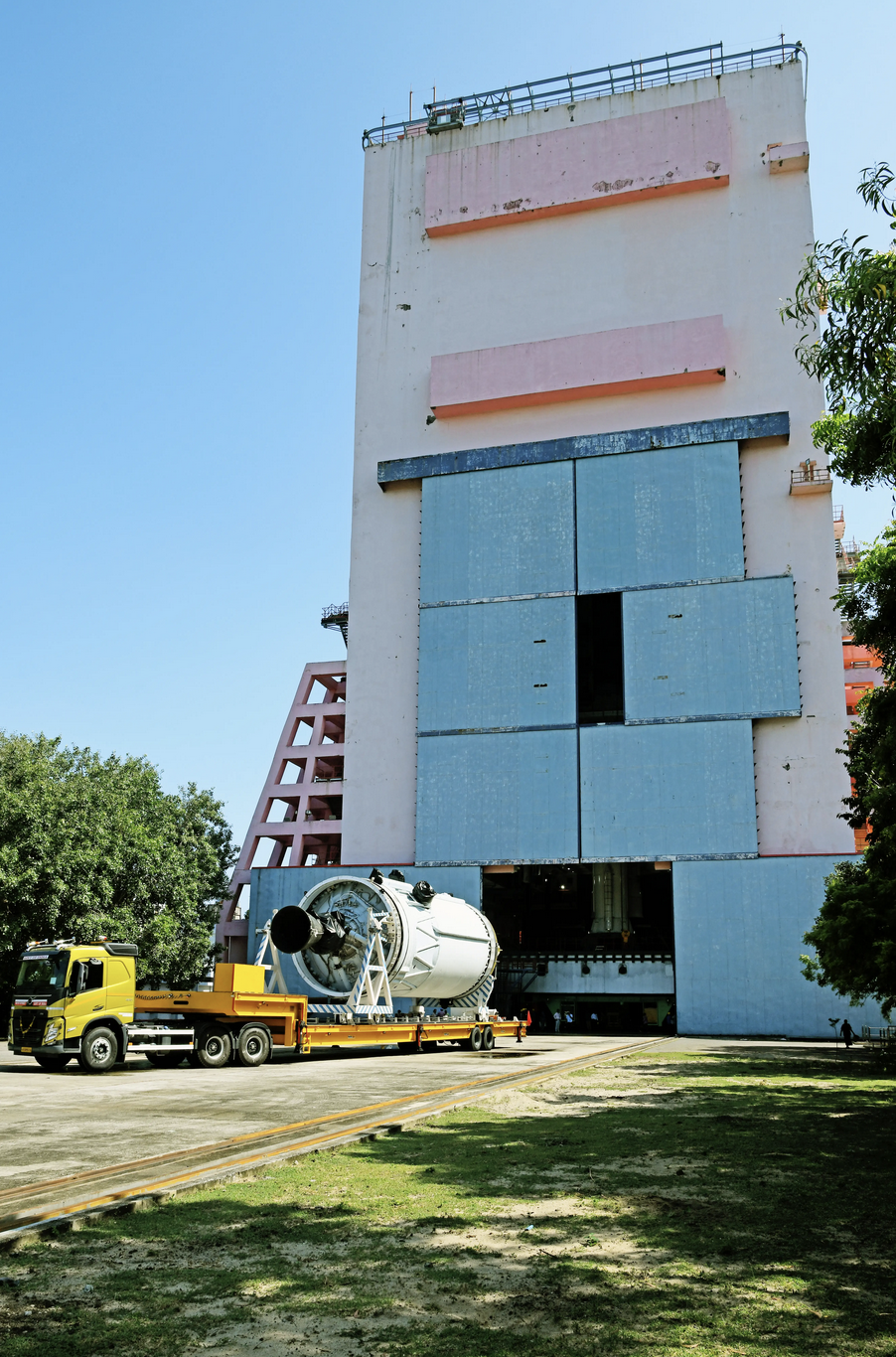
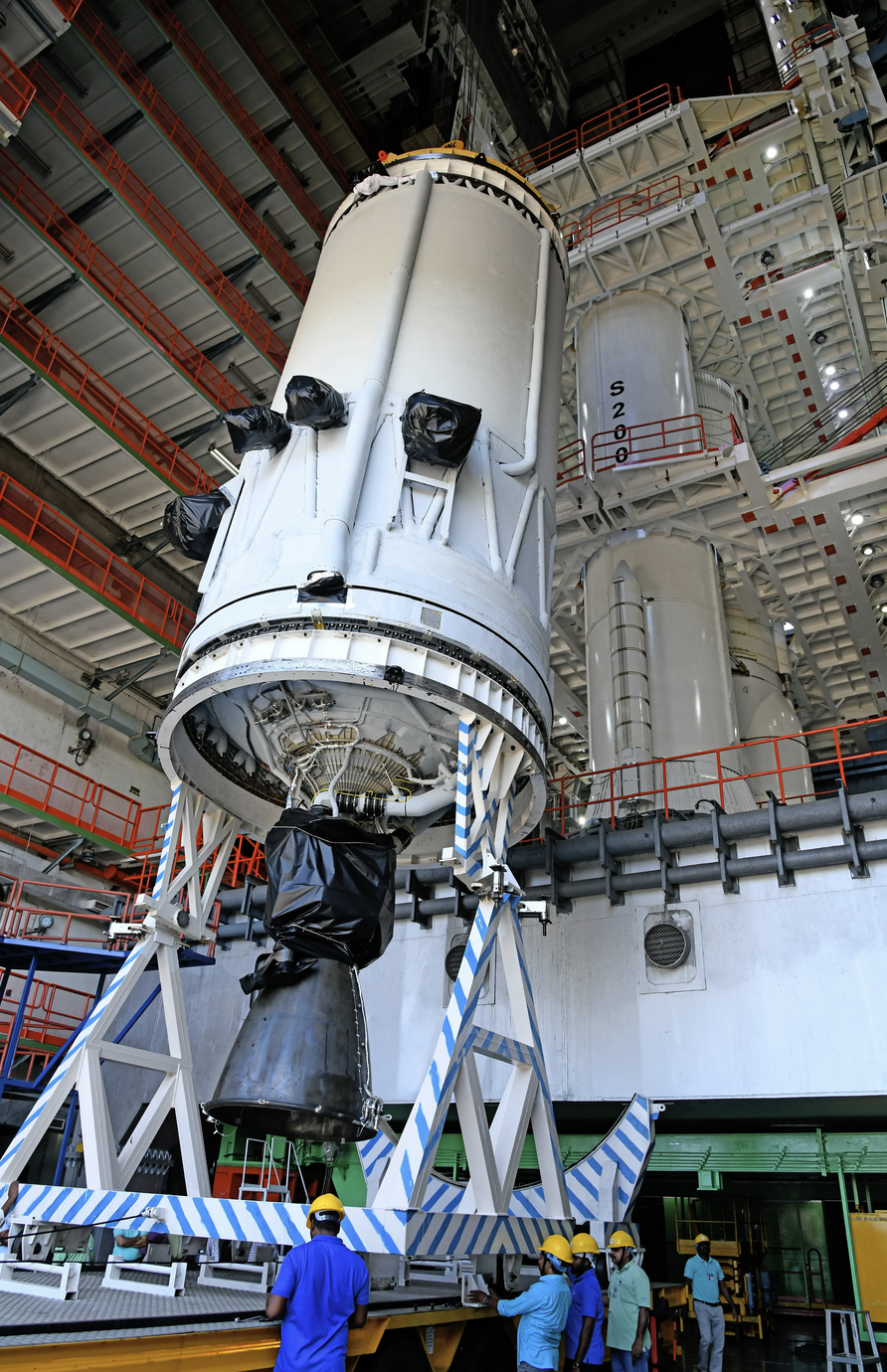
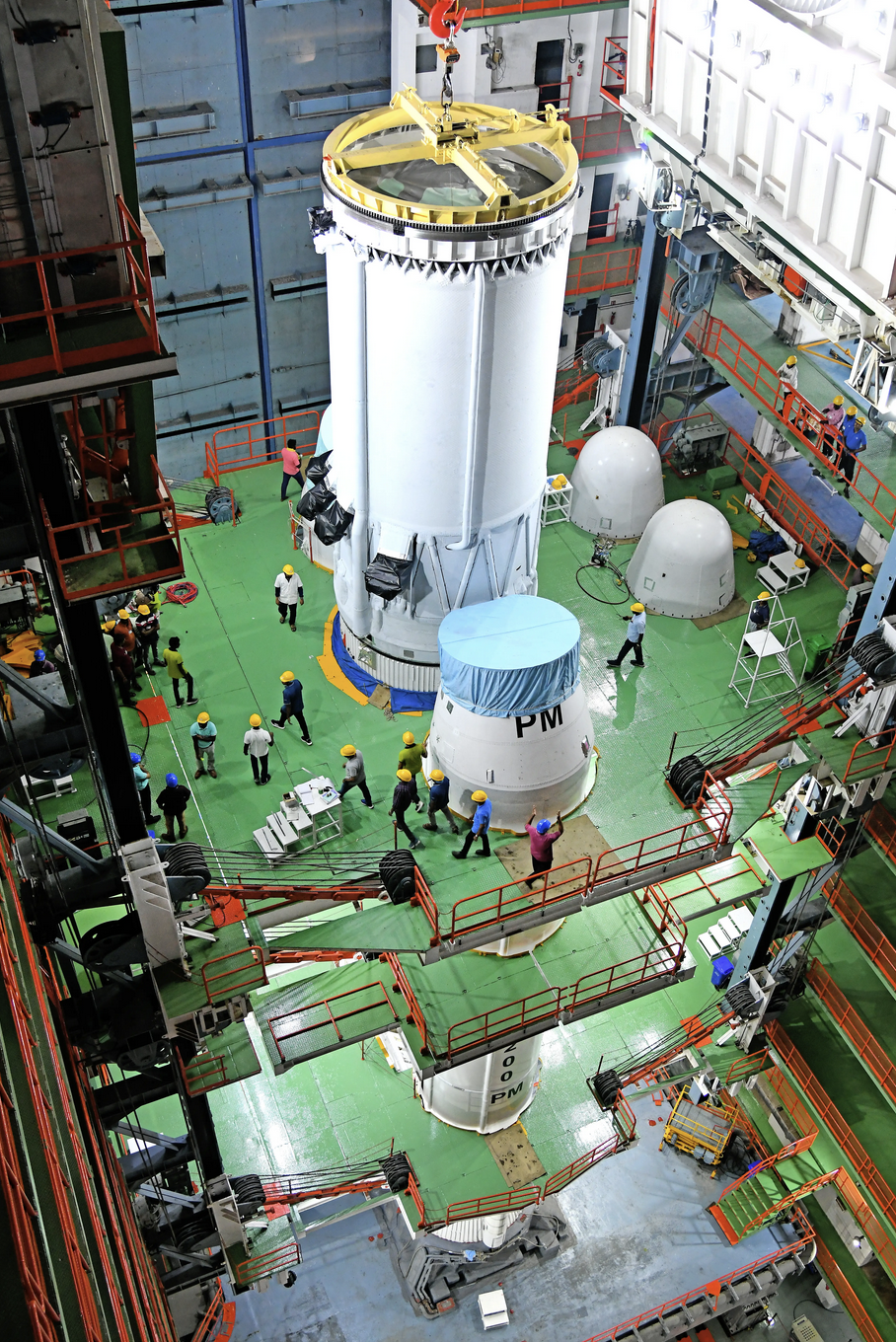
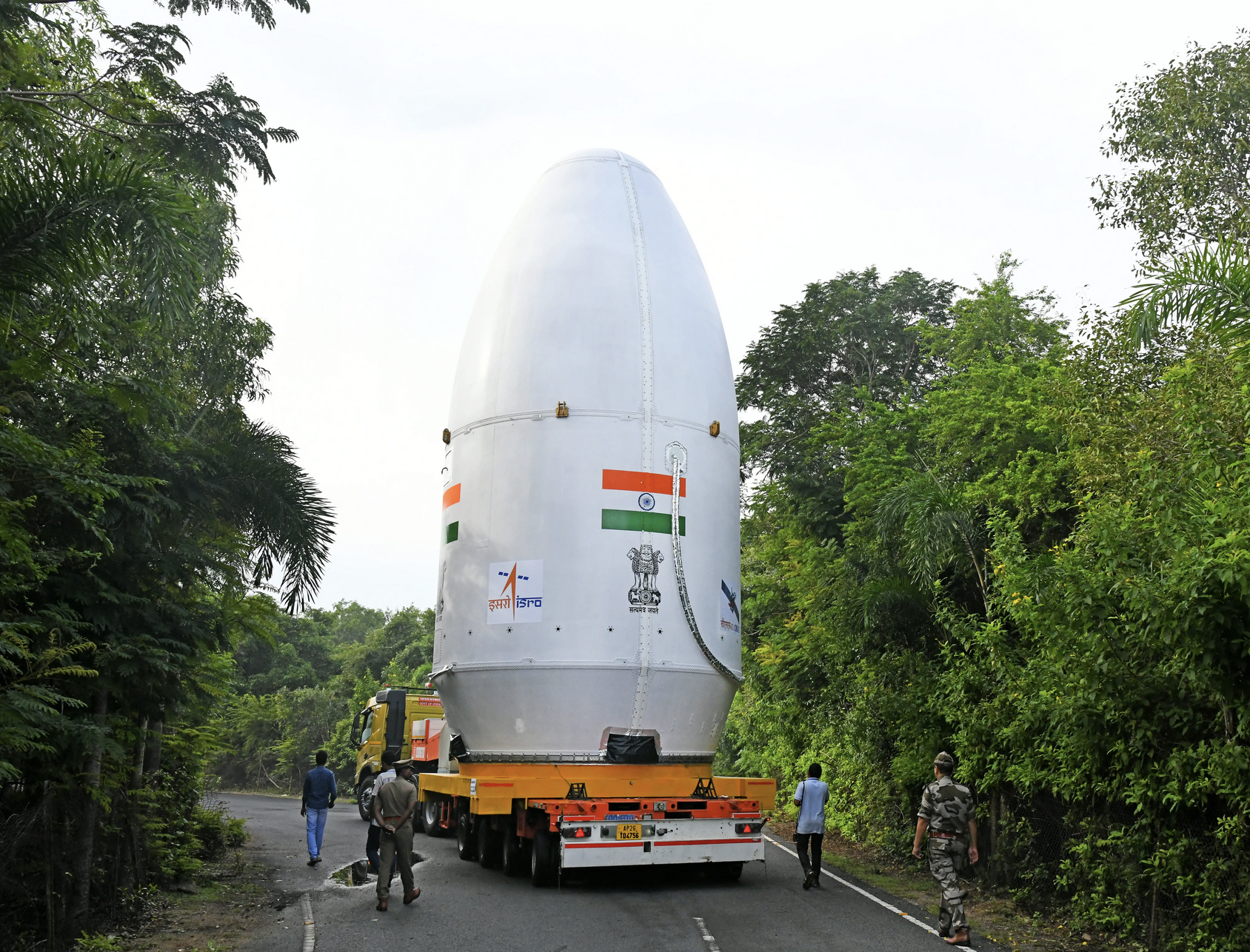
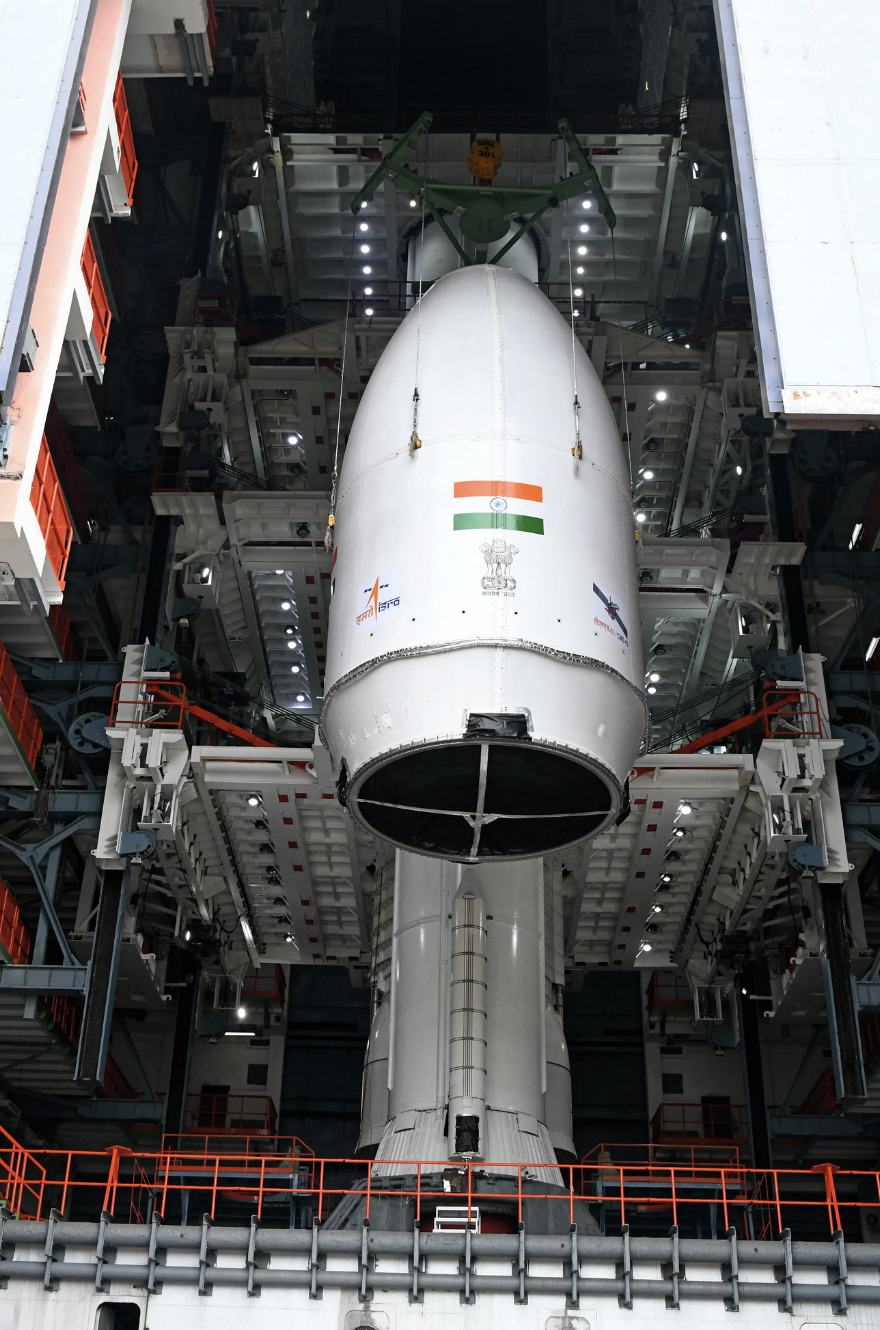
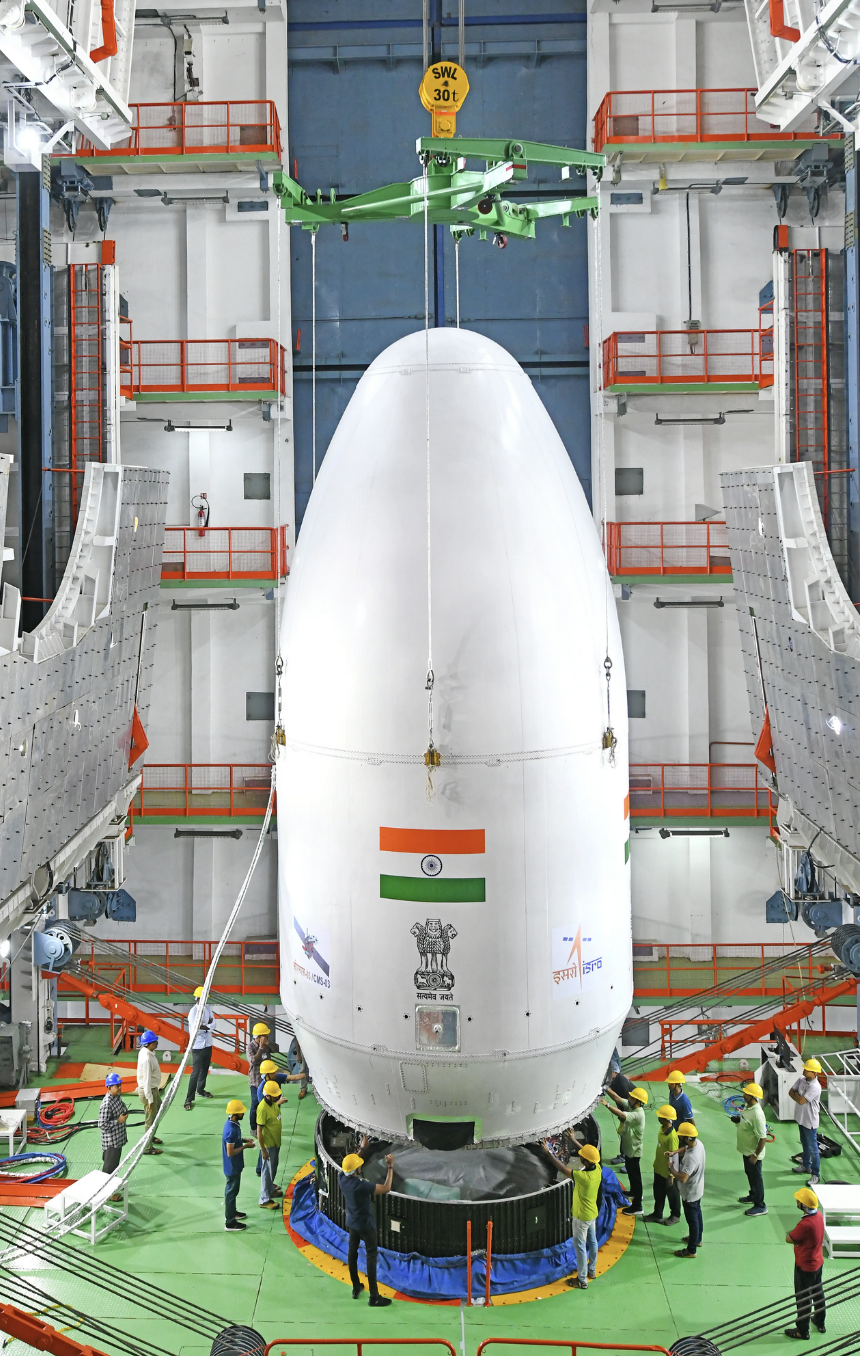
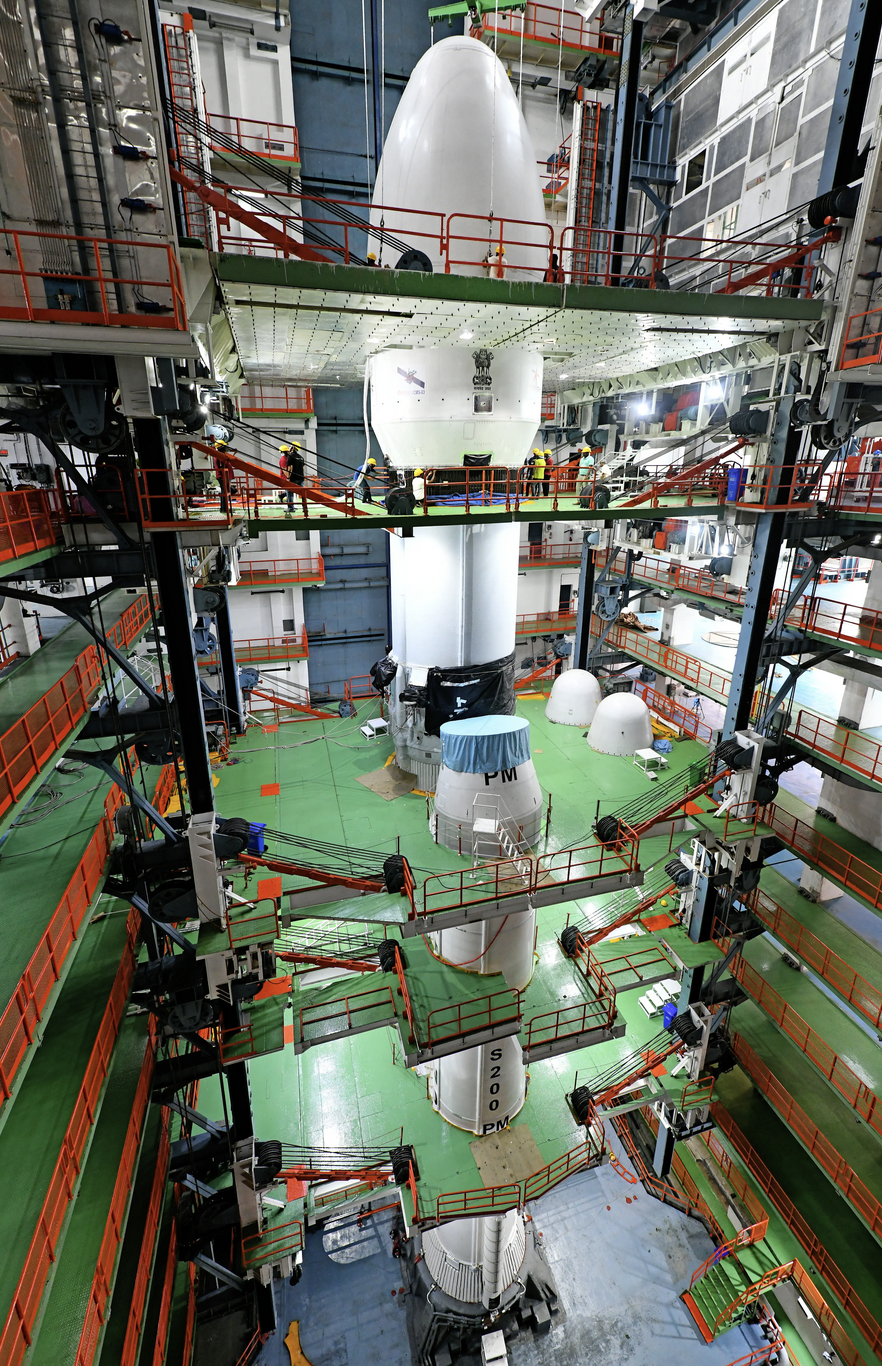
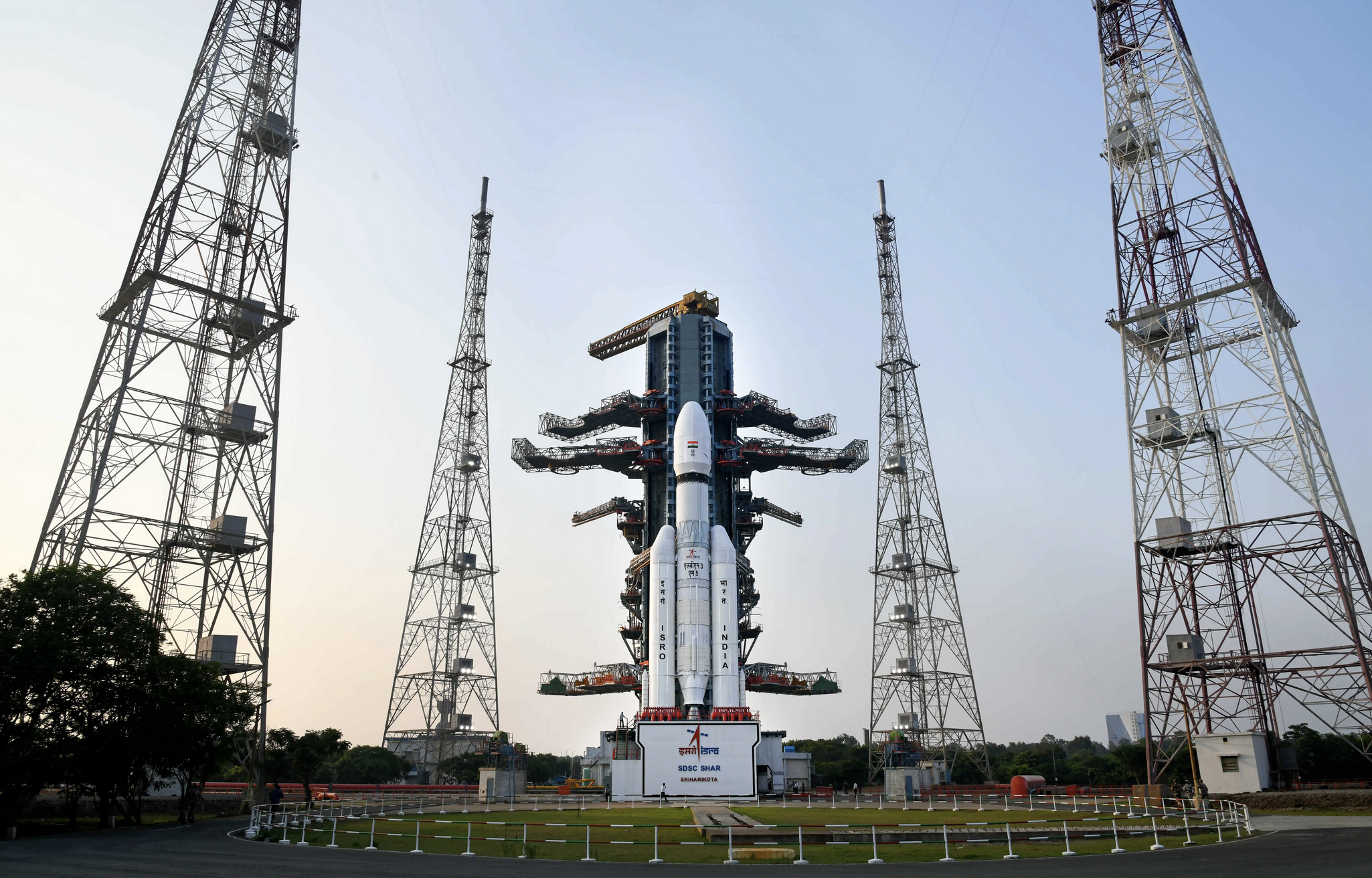
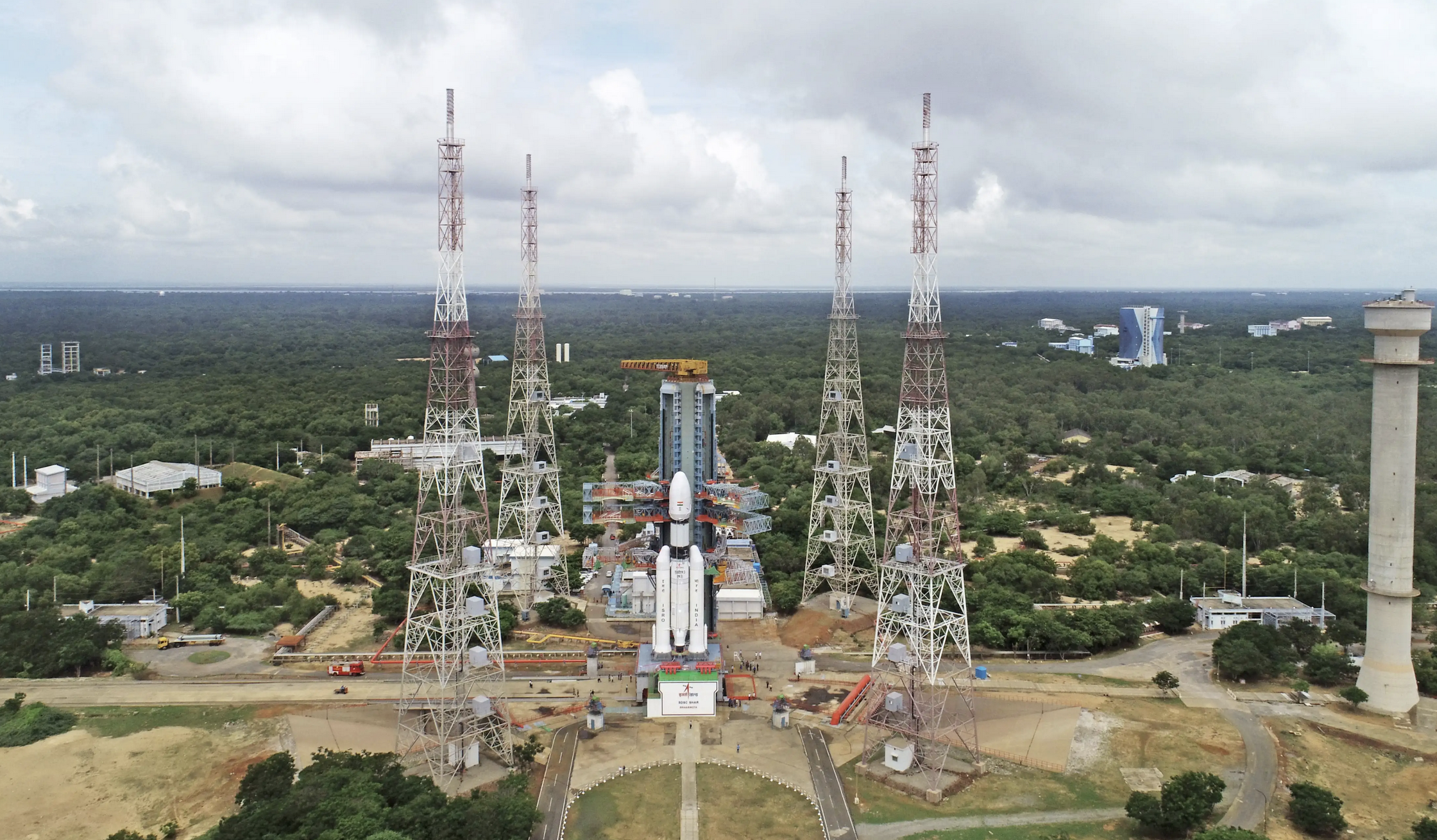
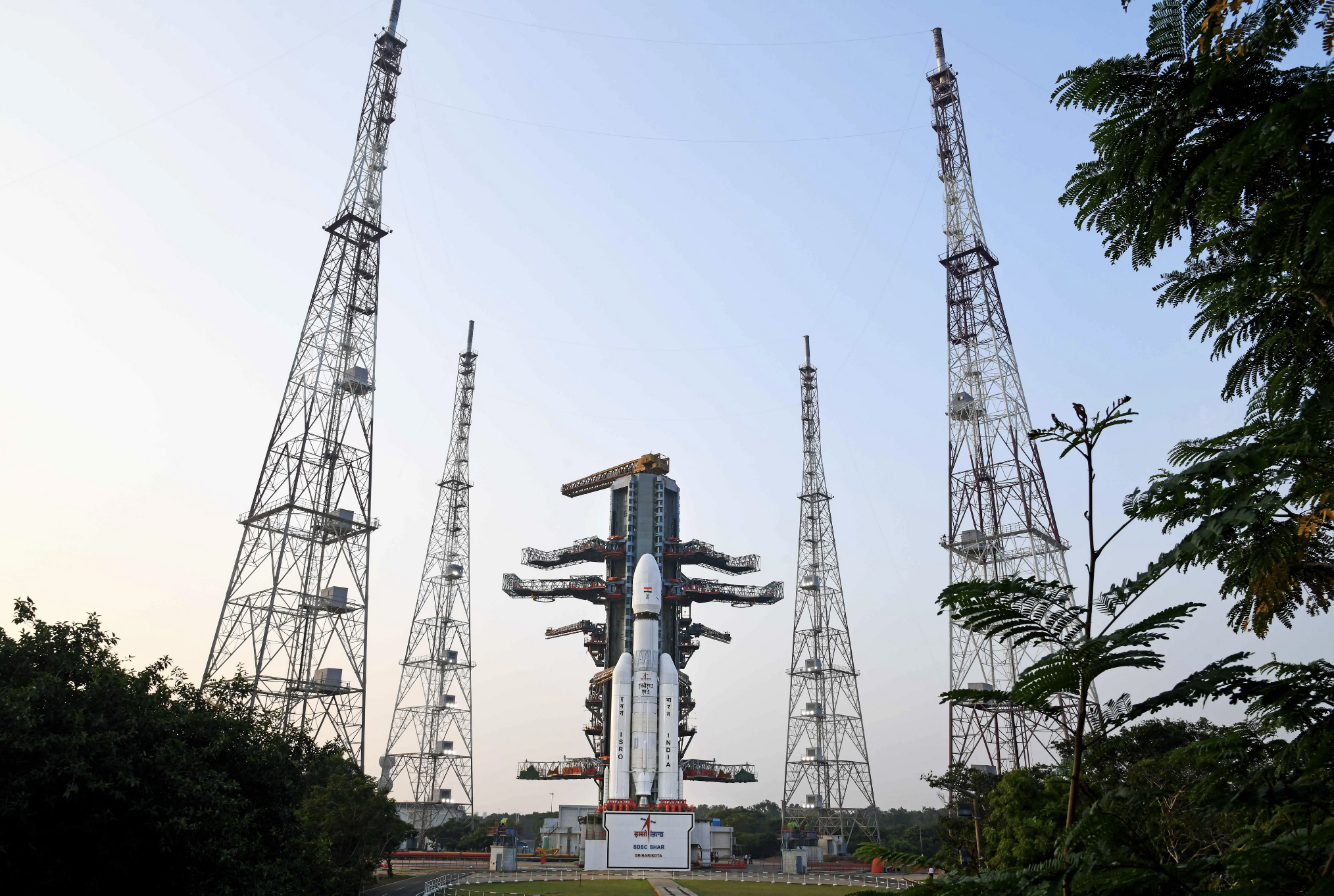
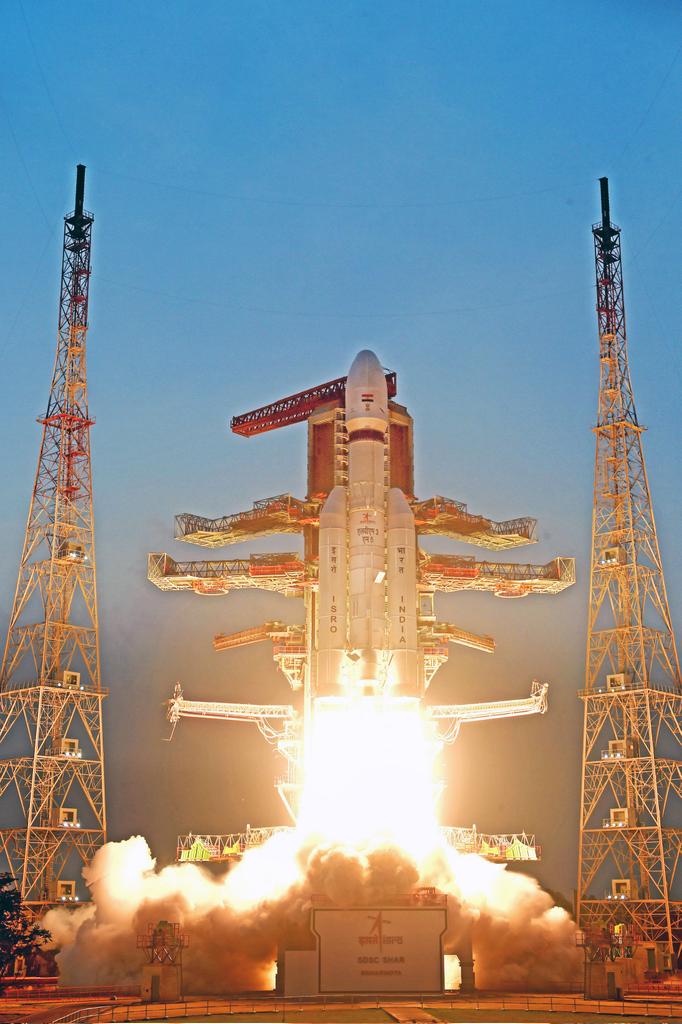
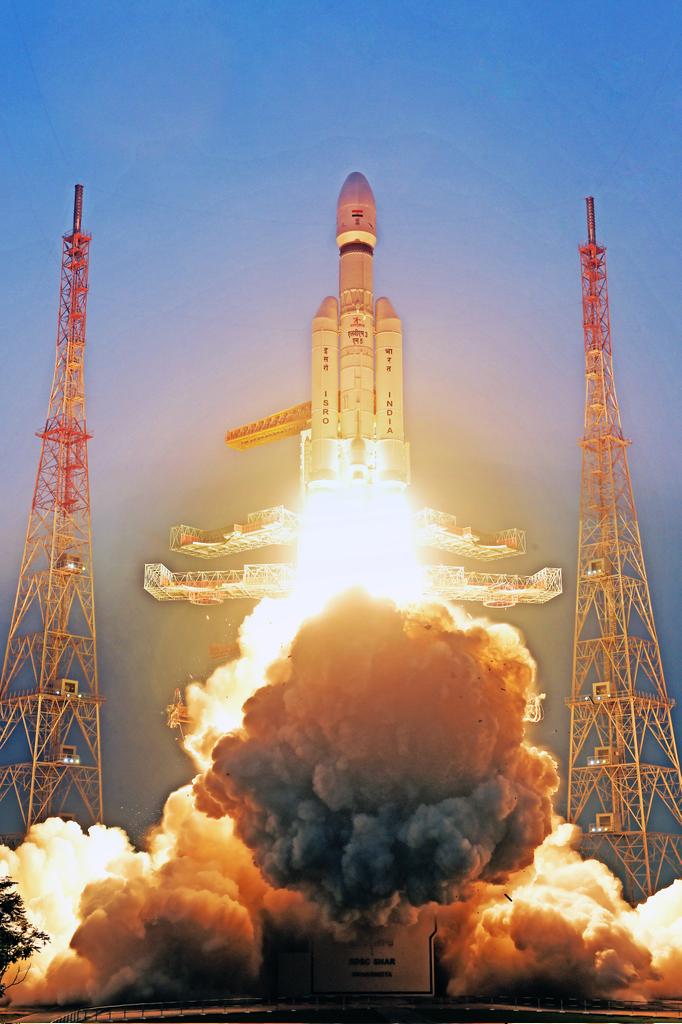
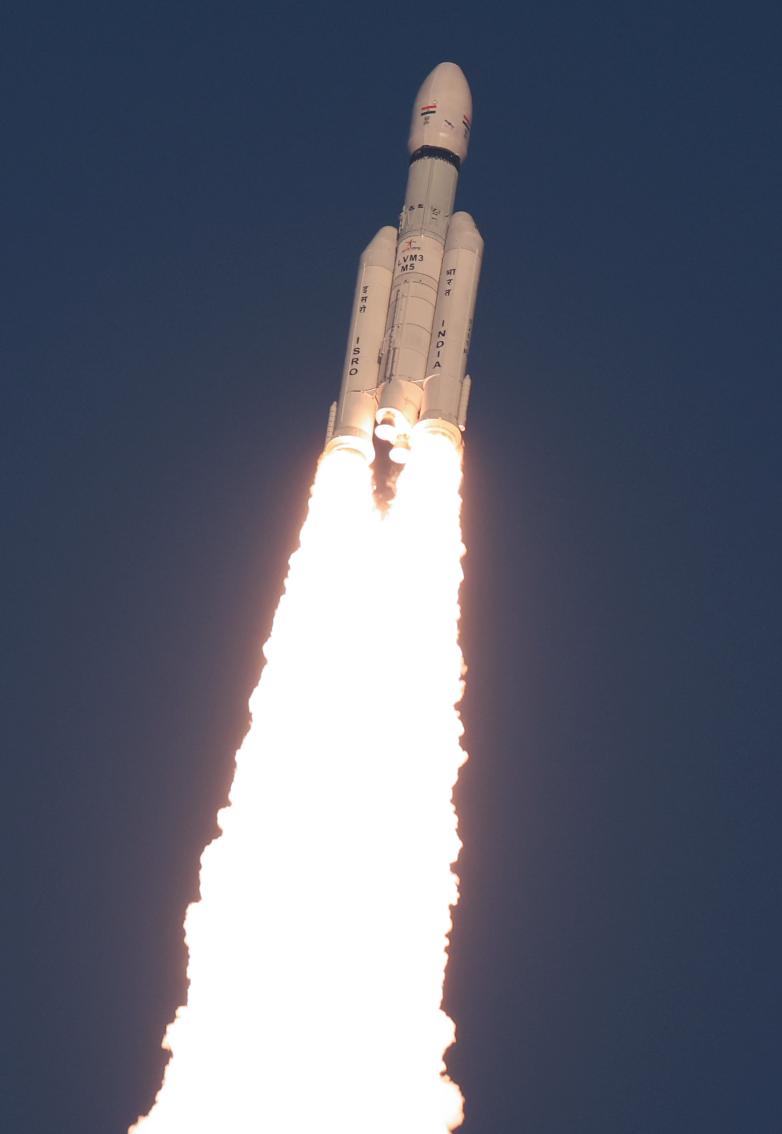
In Photos: ISRO Gears Up For CMS-03 Satellite Launch on November 2


India Plans New Embassies in Uruguay and Ecuador
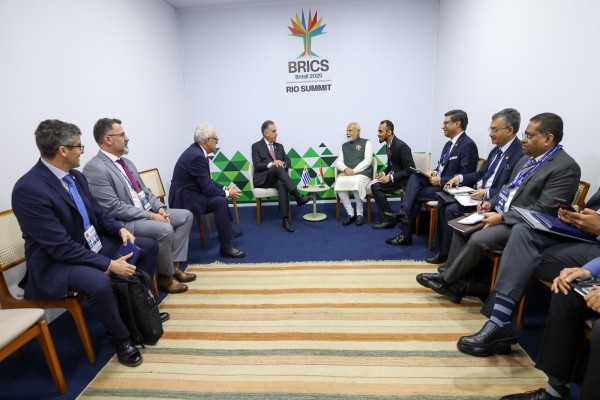
India is strengthening its diplomatic presence in Latin America and the Caribbean (LAC) with plans to open new embassies in Montevideo, Uruguay, and Quito, Ecuador — a move that signals New Delhi’s deepening engagement with the region.
Dates are being finalised for External Affairs Minister S. Jaishankar’s visit to Montevideo to inaugurate the Embassy of India, expected to coincide with the Uruguayan President’s visit to India. Similarly, Vice President CP Radhakrishnan is likely to travel to Quito for the opening of the Indian embassy there, marking a milestone in the five-decade-long India–Ecuador relationship.
The expansion aligns with India’s vision of deepening ties with the Global South — a coalition of developing nations pursuing shared goals in sustainable growth, trade, and multilateral cooperation. Through its missions in Uruguay and Ecuador, India aims to strengthen bilateral relations, promote technology exchange, and enhance South-South partnerships.
Uruguay occupies a key place in India’s regional strategy, known for its political stability, economic transparency, and liberal trade environment. Speaking to StratNews Global, Uruguay’s Ambassador to India, Alberto Guañi, described his country as “a solid democracy where the rule of law reigns, with economic stability, clear procedures, and the lowest corruption in the region.”
He cited Uruguay’s transparent business ecosystem, free port and airport facilities, and 14 economic free zones as incentives for Indian industries seeking a South American base. The country’s commitment to sustainability is also notable — generating 98% of its electricity from renewable sources such as wind, solar, and biomass. A Uruguayan firm with offices in Noida is currently building over a dozen boilers to help reduce India’s air pollution.
Diplomatic links between the two nations date back to 1948, when Uruguay became the first South American country to establish formal ties with India. It continues to back India’s bid for a permanent seat on a reformed UN Security Council. Tata Consultancy Services (TCS) was among the earliest Indian firms to invest in Uruguay, using Montevideo as a launchpad for regional expansion.
A first-ever visit by a Uruguayan President to India is expected in 2026, at the invitation of Prime Minister Narendra Modi. Uruguay will also assume the Presidency of CELAC (Community of Latin American and Caribbean States) in April 2026, further elevating its role as a regional interlocutor for India’s outreach to groups like MERCOSUR and ALADI.
India’s embassy in Quito underscores its growing interest in Latin America’s critical mineral sector. With Ecuador’s significant reserves of copper, lithium, and cobalt — key to clean energy technologies — the country is emerging as an important partner for India’s energy transition.
Marking 56 years of diplomatic relations, Ecuador’s Ambassador to India, Fernando Xavier Bucheli Vargas, said, “This year, we celebrate more than a number; we celebrate a relationship that is expanding in depth, vision, and human connection.”
Though Ecuador’s mining sector is still developing, major operations such as Mirador and Fruta del Norte point to future collaboration opportunities. India is also positioning itself to share expertise in technology, healthcare, and agriculture.
Lokesh Kumar Meena, Chargé d’Affaires of the new Indian mission in Quito, noted that the embassy will “open a new stage in bilateral relations”, focusing on training, innovation, and joint projects. He also highlighted India’s success with digital public infrastructure like UPI, which handles over 600 million daily transactions — a potential model for financial inclusion in the region.
The new embassies build on India’s growing network in Latin America, which already includes missions in Brazil, Argentina, Chile, Peru, and Colombia. By expanding into Uruguay and Ecuador, India consolidates its outreach across the continent, fostering cooperation in renewable energy, digital innovation, higher education, and sustainable trade.
These diplomatic moves underline New Delhi’s commitment to building enduring partnerships across Latin America — an increasingly vital region for its trade, technology, and energy diversification goals.