

Support us by contributing to StratNewsGlobal on the following UPI ID
ultramodern@hdfcbank

Strategic affairs is our game, South Asia and beyond our playground. Put together by an experienced team led by Nitin A. Gokhale. Our focus is on strategic affairs, foreign policy and international relations, with higher quality reportage, analysis and commentary with new tie-ups across the South Asian region.
You can support our endeavours. Visit us at www.stratnewsglobal.com and follow us on YouTube, Twitter, Facebook and Instagram.
र 500 per month
र 1000 per month
र 5000 per year
र 10000 per year
Donate an amount of your choice
र 500 per month
Donate र 500 per month

र 1000 per month
Donate र 1000 per month
र 5000 per year
Donate र 5,000 per year
र 10000 per year
Donate र 10,000 per year
Donate an amount of your choice
Donate an amount of your choice
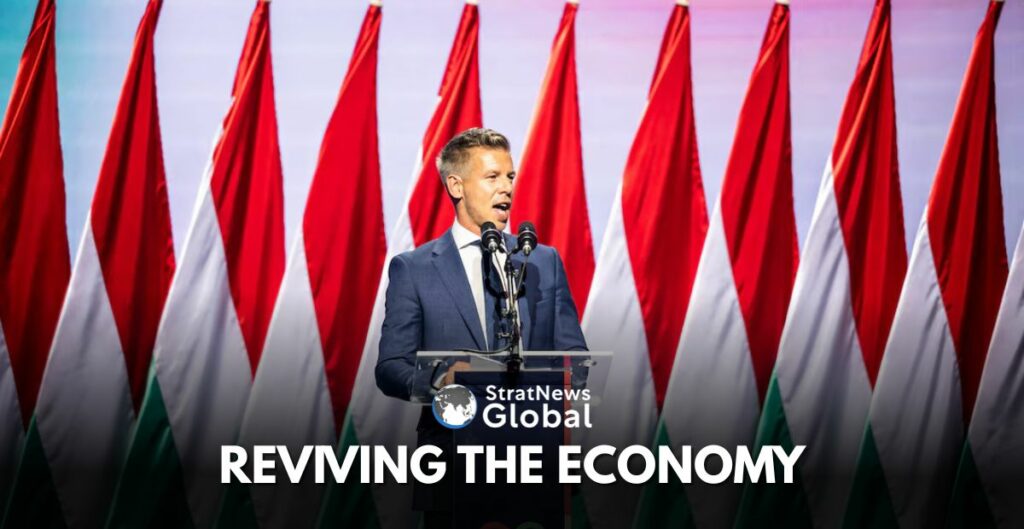
Peter Magyar Unveils ‘Hungarian New Deal’ To Revive Economy
In a bold move aimed at jumpstarting Hungary’s sluggish economy, opposition leader Peter Magyar announced on Saturday that his Tisza party will unveil a ‘Hungarian New Deal’, promising large-scale investments and stable policymaking if voted to power in next year’s elections.
Magyar, whose centre-right party has a firm lead over the ruling Fidesz in most opinion polls, poses the biggest political challenge to nationalist Prime Minister Viktor Orban, who after 15 years in power finds himself struggling to boost the inflation-hit economy.
The risk of steep US tariffs on EU imports also looms large over recovery prospects and Saturday’s announcement of 30% tariffs on the EU by President Donald Trump is bad news for the Central European country.
Magyar announced his Hungarian New Deal plan to supporters at his party’s congress in the western city of Nagykanizsa.
‘Need Economic Growth’
“We need economic growth, investments, predictable financial and economic policy in Hungary,” Magyar said, adding that Tisza would crack down on corruption and buy back state assets that he said had been stolen over the past 15 years.
The main pillars of Tisza’s plan will be a major healthcare reform with additional funding of 500 billion forints ($1.5 billion) annually, a large-scale rental flat and home construction programme, a modernisation of state railways using EU and national funds, and investments in energy efficiency for households and in education.
Magyar, a former government insider who burst into Hungarian politics last year, again pledged to unlock some 20 billion euros of suspended EU funds that Hungary has not received for years due to clashes between Brussels and Orban over a perceived erosion of democracy and corruption — accusations that Orban denies.
‘Fed Up With This Regime’
The parliamentary election is set to take place early next year, though no date has been set. In June parliament passed Orban’s 2026 election year budget, including steep tax cuts for families, a key demographic group for Fidesz.
“People are fed up with this regime. And Tisza is a kind of ‘collecting party’ which stood behind all this (discontent). People want change,” said Edit Piroska Borsi, a retired teacher at the congress.
($1 = 341.6200 forints)
(With inputs from Reuters)
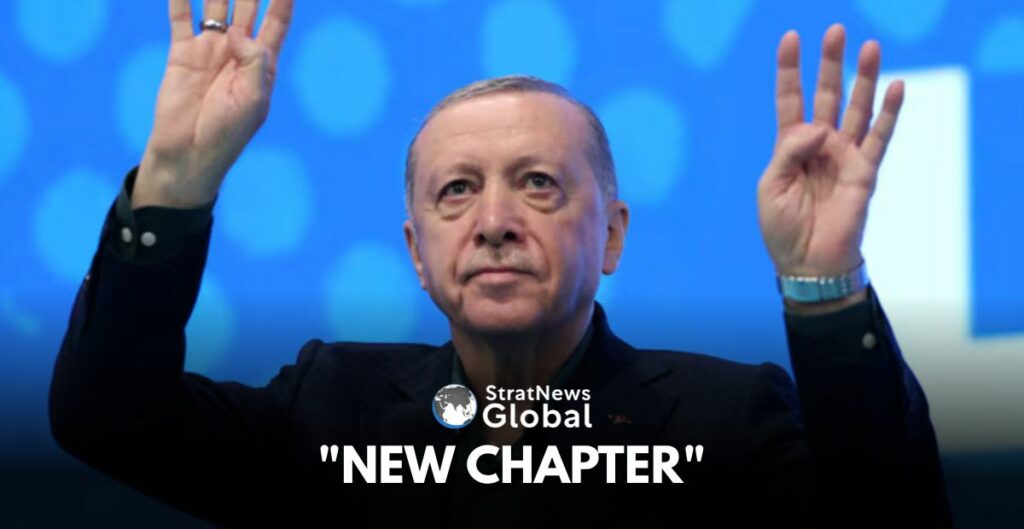
Erdogan Says PKK Disarmament Marks New Chapter For Turkiye
Turkish President Tayyip Erdogan on Saturday urged full support for the disarmament of Kurdish militants, following the initial handover of weapons by Kurdistan Workers Party (PKK) forces—an act he described as opening a new chapter for Turkiye.
Thirty PKK militants burned their weapons at the mouth of a cave in northern Iraq on Friday, marking a symbolic but significant step toward ending a decades-long insurgency against Turkiye.
“As of yesterday, the scourge of terrorism has entered the process of ending. Today is a new day; a new page has opened in history. Today, the doors of a great, powerful Turkiye have been flung wide open,” Erdogan told members of his AK Party in Ankara.
He said the recent steps have united the nation, and now the parliament will play a critical role in setting up a legal framework for completing the disarmament process.
“I hope that our parliament will support this process with the broadest possible participation,” Erdogan said.
Ankara has taken steps toward forming a parliamentary commission that will oversee the disarmament and PKK’s transition into democratic politics.
The PKK, locked in conflict with the Turkish state and outlawed since 1984, decided in May to disband, disarm and end its separatist struggle after a public call to do so from its long-imprisoned leader Abdullah Ocalan.
After a series of failed peace efforts, the new initiative could pave the way for Ankara to end an insurgency that has killed over 40,000 people, burdened the economy and wrought deep social and political divisions in Turkiye and the wider region.
(With inputs from Reuters)
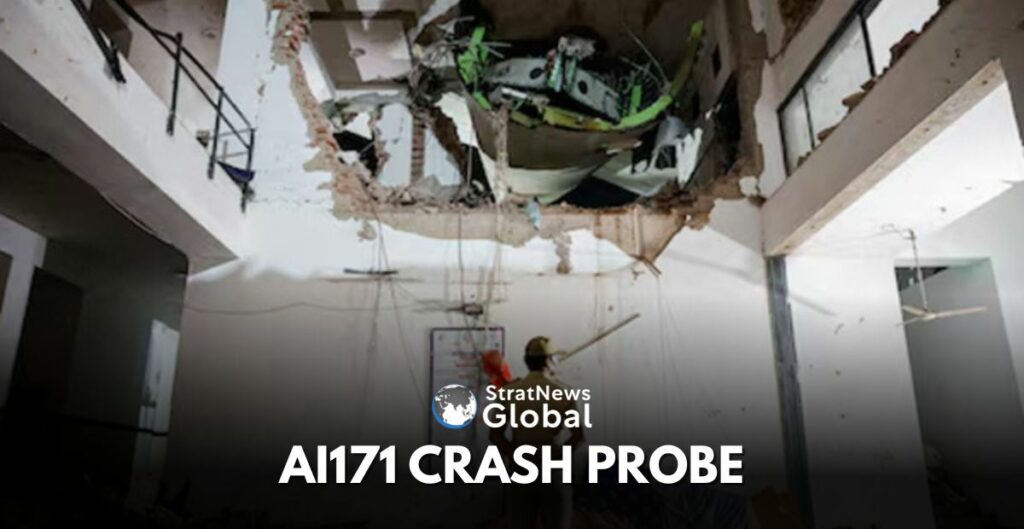
Air India Tragedy: How Brief Fuel Switch-Off Triggered A Deadly Crash
The preliminary report into the Air India crash that killed 260 people revealed that just seconds after takeoff, the Boeing 787’s engine fuel control switches were briefly turned off, cutting off fuel supply to the engines.
Below are a few facts about the switches, their functions in the aircraft and their movements on the Air India flight.
What Are Fuel Switches?
They are switches that regulate fuel flow into a plane’s engines. They are used by pilots to start or shut down engines on the ground or to manually shut down or restart engines if an engine failure occurs during a flight.
Aviation experts say a pilot would not be able to accidentally move the fuel switches that feed the engines. But if moved, the effect would be immediate, cutting off engine power.
There are independent power systems and wiring for the fuel cutoff switches and the fuel valves controlled by those switches, according to U.S. aviation safety expert John Cox.
Where Are The Fuel Switches Located?
The two fuel control switches on a 787, in Air India’s case, equipped with two GE engines, are located below the thrust levers.
The switches are spring-loaded to remain in position. To change one from run to cutoff, a pilot has to first pull the switch up and then move it from run to cutoff or vice versa.
There are two modes: ‘CUTOFF’ and ‘RUN’.
What Happened On The Fatal AI171 Flight?
According to the flight recorder, a few seconds after takeoff, switches for both engines transitioned to ‘CUTOFF’ from ‘RUN’ one after another with a time gap of one second. As a result, the engines began to lose power.
One pilot was heard on the cockpit voice recorder asking the other why he cut off the fuel. “The other pilot responded that he did not do so,” the report said.
It did not identify which remarks were made by the flight’s captain and which by the first officer.
Seconds later, the switches flipped back to ‘RUN’, according to the preliminary report. Both fuel control switches were found in the ‘RUN’ position at the crash site, it said.
When fuel control switches are moved from ‘CUTOFF’ to ‘RUN’ while the aircraft is in flight, each engine’s control system automatically manages a relight and thrust recovery sequence of ignition and fuel introduction, the report said.
“No sane pilot would ever turn those switches off in flight,” especially as the plane is just starting to climb, U.S. aviation safety expert John Nance said.
(With inputs from Reuters)
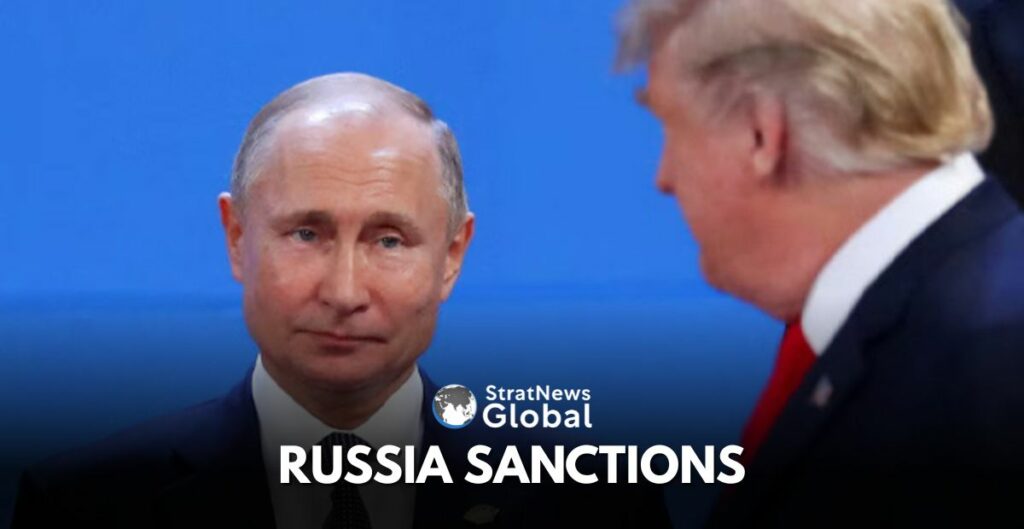
Russia Sanctions Bill Gains Momentum, But Lacks Presidential Push
A bipartisan U.S. bill proposing sanctions on Russia to pressure Moscow into genuine peace talks with Ukraine gained momentum in Congress this week, but still lacks the crucial presidential backing needed for final passage.
Now, Ukraine’s supporters in Washington and Kyiv, who have for months hoped for President Donald Trump to throw his weight behind the bill, are anxiously awaiting what the Republican president has said will be a “major statement” on Russia on Monday.
Trump, who vowed during his election campaign to end Russia’s invasion of Ukraine, has given no details on what his planned announcement would entail, but over the past few weeks he has grown increasingly and publicly frustrated with Russian President Vladimir Putin over his reluctance to accept a ceasefire and the growing civilian death toll of Russian attacks.
On Tuesday, Trump approved sending U.S. defensive weapons to Ukraine. Two days later, he came closer than ever to endorsing the sanctions bill, although he has not yet signed off on the legislation’s text, according to a person with knowledge of his thinking.
Republican Senate Majority Leader John Thune told reporters earlier in the week that the Senate could vote on the bill this month.
Mike Johnson, the top House Republican, has expressed similar optimism, while Republican Senator Lindsey Graham and Secretary of State Marco Rubio have privately told European diplomats that the bill will move imminently, according to a source with direct knowledge of the matter.
“The Senate will move soon on a tough sanctions bill – not only against Russia – but also against countries like China and India that buy Russian energy products that finance Putin’s war machine,” Graham wrote on X on Tuesday.
Still, it was unclear if Trump had given up on pushing for diplomacy with Russia. And the extensive veto power on sanctions that the White House is demanding could render the bill more symbolic than substantive, some supporters acknowledge.
Speaking to reporters in Kuala Lumpur on Friday following his second in-person meeting with Russian Foreign Minister Sergei Lavrov, Rubio said “a new idea” was discussed that he would be taking back to Trump for further consultations. He declined to give further details.
“That new concept is – this new approach is not something that automatically leads to peace, but it could potentially open the door to a path,” Rubio said.
But he also reiterated Trump’s frustration over Moscow’s unwillingness to be more flexible and said Americans had told the Russians weeks ago that a sanctions bill could well pass.
Work Ongoing
The bill, whose lead sponsors are Graham and Democratic Senator Richard Blumenthal, would levy extensive sanctions against various Russian individuals, government bodies and financial institutions.
It would also punish other countries that trade with Moscow, imposing 500% tariffs on nations that buy Russian oil, gas, uranium and other exports.
Ukrainian President Volodymyr Zelenskyy has repeatedly urged Ukraine’s Western allies to impose tougher sanctions on Moscow to force the Kremlin to agree to a ceasefire as a step towards reaching an end to the war, now 40 months old.
Work on the bill has picked up pace over the last week, according to two U.S. officials.
One person familiar with Trump’s thinking said the text still needs work. The current version, that person said, does not give the president enough flexibility to carry out his foreign policy agenda independent of Congress.
The White House was working with Congress and the bill’s sponsors to ensure it would be “an enhancement to the president’s foreign policy objectives,” that person added.
One person with knowledge of the drafting process said congressional staff had been ironing out technical issues in recent days, such as how to keep any sanctions from affecting the operations of the U.S. embassy in Moscow.
A spokesperson for Graham told Reuters the bill would probably not come to the floor until the week of July 21 at the earliest, due to other legislative priorities.
The House of Representatives, which will need to vote on the measure, leaves for August recess in two weeks, meaning floor time is at a premium. That is particularly true if a Trump request to slash $9.4 billion in spending on foreign aid and public broadcasting – which passed the House and is currently in the Senate – heads back to the House following any changes.
Some supporters of the bill acknowledge that the legislation is largely symbolic, given that Trump would have broad authority to veto the sanctions, and in any case, could simply issue sanctions from the executive branch if he wishes.
“The president already has all these authorities,” said one Republican Senate staffer.
(With inputs from Reuters)
China, ASEAN To Submit Upgraded Trade Deal To Leaders In October
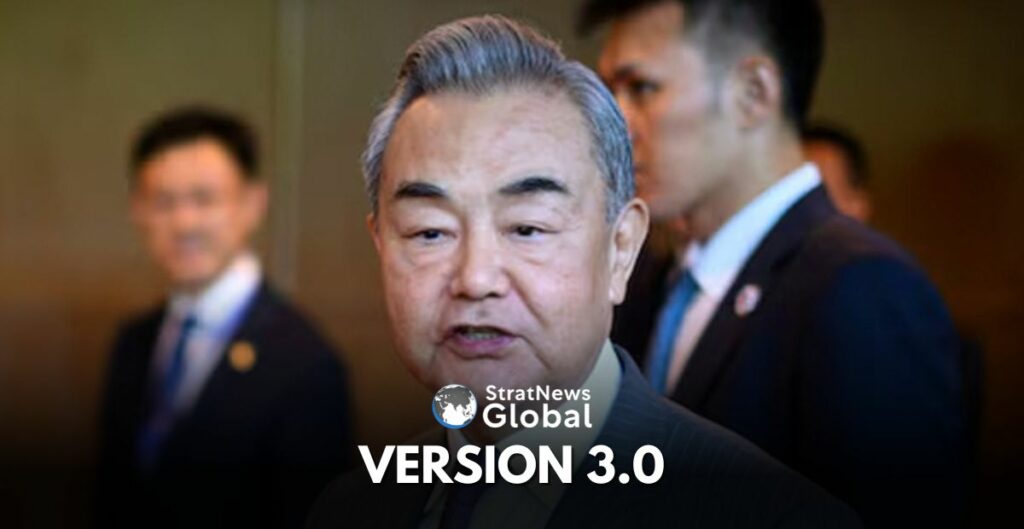
China and the Association of Southeast Asian Nations (ASEAN) have agreed to present an upgraded free trade deal to their leaders for approval in October, Chinese Foreign Minister Wang Yi said on Saturday.
Negotiations about the so-called 3.0 version of the free trade zone started in November 2022 and were completed in May, seeking to cover areas such as the digital economy, green economy and supply chain connectivity.
China and ASEAN also agreed on a five-year action plan that specifies collaboration between the two sides in over 40 fields in the coming years, according to a statement published by the Ministry of Foreign Affairs, citing Wang’s comments after attending the East Asia Summit in Kuala Lumpur on Friday.
Wang also said the two sides agreed to strive to complete consultations next year on a code of conduct in the South China Sea – a set of guidelines aiming to manage disputes in the region, where Beijing and several ASEAN members have overlapping maritime claims.
Free Trade Area
The China-ASEAN Free Trade Area (CAFTA) represents one of the world’s largest and most dynamic economic partnerships.
First established in 2010, CAFTA significantly reduced tariffs and trade barriers between China and the 10 ASEAN member states—Brunei, Cambodia, Indonesia, Laos, Malaysia, Myanmar, the Philippines, Singapore, Thailand, and Vietnam.
Over the years, trade volumes between the two sides have grown exponentially, with China becoming ASEAN’s largest trading partner and ASEAN ranking as China’s second-largest.
The “version 3.0” of the trade pact expands the agreement beyond traditional trade in goods and services, with new provisions covering the digital economy, green development, and supply chain connectivity.
These updates reflect shared priorities to modernise trade frameworks amid global shifts in technology, sustainability, and geopolitical uncertainty.
If adopted, the upgraded deal could mark a new era of China-ASEAN economic integration, strengthening regional resilience and offering new growth opportunities for businesses across Asia, particularly in emerging sectors like e-commerce and clean energy.
(With inputs from Reuters)
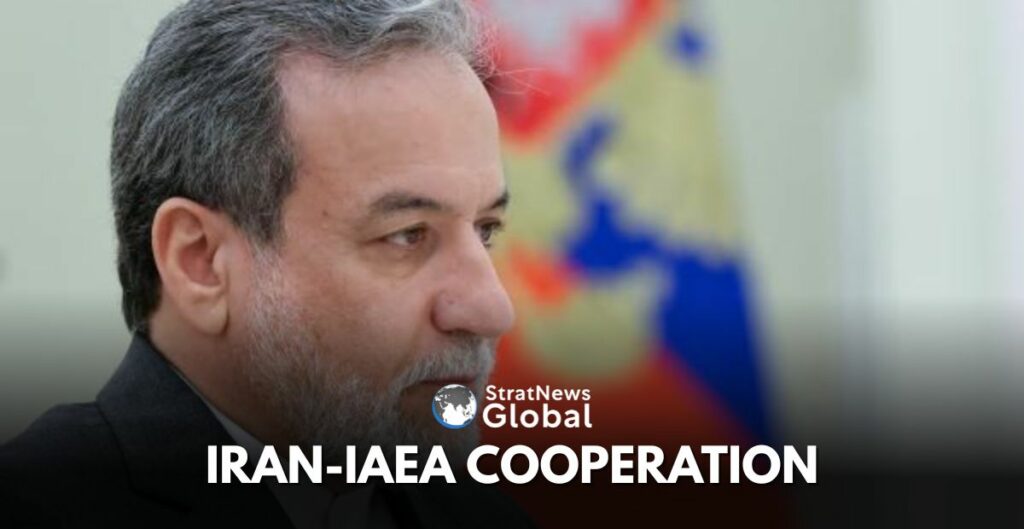
Foreign Minister Araqchi Says Iran Will Cooperate With IAEA, But Raises Concerns Over Site Inspections
Iran will continue working with the U.N. nuclear watchdog despite limitations set by its parliament, Foreign Minister Abbas Araqchi said on Saturday. However, he cautioned that allowing access to nuclear sites damaged in recent bombings presents serious safety and security challenges.
The new law stipulates that any future inspection of Iran’s nuclear sites by the International Atomic Energy Agency (IAEA) needs approval by the Supreme National Security Council, Iran’s top security body.
Araqchi’s remarks come amid renewed international scrutiny following reports of sabotage at Iranian nuclear installations.
“The risk of spreading radioactive materials and the risk of exploding leftover munitions … are serious,” state media cited Araqchi as saying. “For us, IAEA inspectors approaching nuclear sites has both a security aspect … and the safety of the inspectors themselves is a matter that must be examined.”
Iran’s Cooperation With IAEA
While Iran’s cooperation with the nuclear watchdog has not stopped, it will take a new form and will be guided and managed through the Supreme National Security Council, Araqchi told Tehran-based diplomats.
“The IAEA’s requests for continued monitoring in Iran will be …decided on a case-by-case basis by the Council with consideration to safety and security issues,” Araqchi said.
Iran will not agree to any nuclear deal that does not allow it to enrich uranium, Araqchi reiterated.
Axios cited sources on Saturday as saying Russian President Vladimir Putin had voiced support for the idea of an accord in which Tehran is unable to enrich uranium. But Iran’s semi-official news agency Tasnim quoted an “informed source” as saying Putin had not sent any such message to Iran.
Speaking to the state news agency IRNA, Araqchi said Iran was carefully considering the details of any renewed nuclear talks with the U.S. and seeking assurances that Washington would not again resort to military force. “We are in no hurry to enter into unconsidered negotiations,” he added.
(With inputs from Reuters)
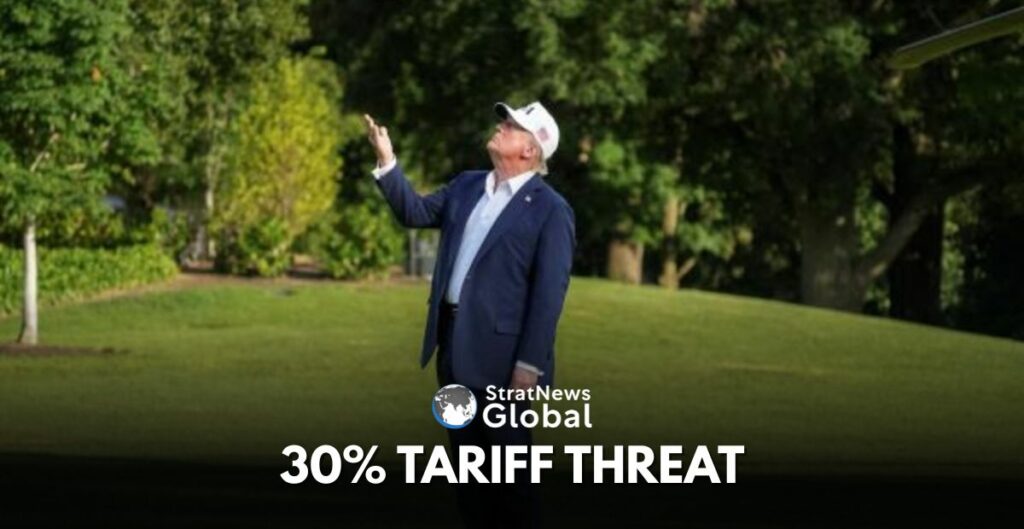
Trump Escalates Trade Dispute With 30% Tariff Threat Against EU And Mexico
On Saturday, U.S. President Donald Trump announced plans to impose a 30% tariff on imports from Mexico and the European Union beginning August 1. The move follows weeks of unsuccessful negotiations with two of Washington’s key allies and major trading partners, after failing to secure a comprehensive trade agreement.
In an escalation of Trump’s trade war, the fresh tariffs were announced in separate letters to European Commission President Ursula von der Leyen and Mexico’s President Claudia Sheinbaum posted on Truth Social on Saturday.
The European Union and Mexico are among the largest U.S. trading partners.
Trump has sent similar letters to 23 other U.S. trading partners this week, including Canada, Japan and Brazil, setting blanket tariff rates ranging from 20% up to 50%, as well as a 50% tariff on copper.
Possible Negotiations Of Trade Deal
The August 1 deadline gives countries targeted by Trump’s letters time to negotiate a trade deal that could lower the threatened tariff levels.
The EU had hoped to reach a comprehensive trade agreement with the U.S. for the 27-country bloc.
Three EU officials said on Saturday that Trump’s threats represent a negotiating tactic.
Trump’s letter to the EU included a demand that Europe drop its own tariffs, an apparent condition of any future deal.
“The European Union will allow complete, open Market Access to the United States, with no Tariff being charged to us, in an attempt to reduce the large Trade Deficit,” Trump wrote.
EU President von der Leyen said the 30% tariffs “would disrupt essential transatlantic supply chains, to the detriment of businesses, consumers and patients on both sides of the Atlantic.”
She also said while the EU will continue to work towards a trade agreement, they “will take all necessary steps to safeguard EU interests, including the adoption of proportionate countermeasures if required.”
Canada got a higher tariff rate of 35% compared to Mexico, with both letters citing fentanyl flows, even though government data shows the amount of the drug seized at the Mexican border was significantly higher than the Canadian border.
“Mexico has been helping me secure the border, BUT, what Mexico has done, is not enough. Mexico still has not stopped the Cartels who are trying to turn all of North America into a Narco-Trafficking Playground,” Trump wrote.
Mexico sends more than 80% of its total exported goods to the U.S. and free trade with its northern neighbour drove Mexico to overtake China as the U.S.’s top trading partner in 2023.
Tariff War
The European Union had been bracing for the letter from Trump outlining his planned duties on the United States’ largest trade and investment partner after a broadening of his tariff war in recent days.
The EU initially hoped to strike a comprehensive trade agreement, including zero-for-zero tariffs on industrial goods, but months of difficult talks have led to the realization it will probably have to settle for an interim agreement and hope something better can still be negotiated.
The 27-country bloc is under conflicting pressures as powerhouse Germany urged a quick deal to safeguard its industry, while other EU members, such as France, have said EU negotiators should not cave into a one-sided deal on U.S. terms.
Trump’s cascade of tariff orders since returning to the White House has begun generating tens of billions of dollars a month in new revenue for the U.S. government. U.S. customs duties revenue shot past $100 billion in the federal fiscal year through to June, according to U.S. Treasury data on Friday.
Spokespeople for Mexican President Claudia Sheinbaum and Mexico’s Economy Ministry did not immediately respond to requests for comment.
(With inputs from Reuters)
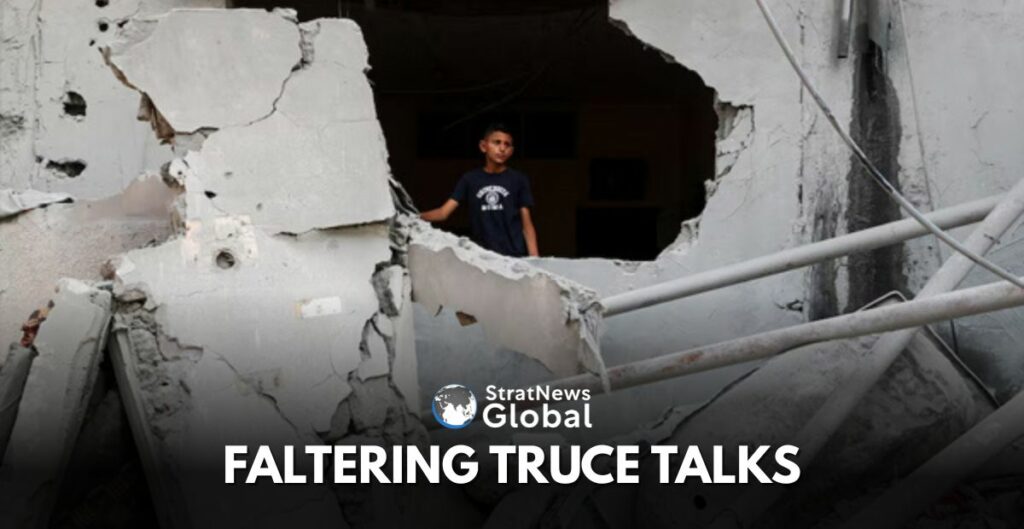
Gaza Ceasefire Talks Stall Over Israeli Withdrawal Terms, Say Sources
Talks aimed at securing a ceasefire in Gaza are faltering due to disagreements over the extent of Israeli forces‘ withdrawal from the Palestinian enclave, according to Palestinian and Israeli sources familiar with the negotiations taking place in Doha on Saturday.
The indirect talks over a U.S. proposal for a 60-day ceasefire are nonetheless expected to continue, the sources said, despite the latest obstacles in clinching a deal.
A Palestinian source said that Hamas has rejected the withdrawal maps which Israel has proposed, as they would leave around 40% of the territory under Israeli control, including all of the southern area of Rafah and further territories in northern and eastern Gaza.
Two Israeli sources said Hamas wants Israel to retreat to the lines it held in a previous ceasefire before it renewed its offensive in March.
The Palestinian source said matters regarding aid and guarantees for ending the war were also presenting a challenge, and added that the crisis may be resolved with more U.S. intervention.
Ceasefire Proposal
The White House said on Monday that Trump’s envoy Steve Witkoff, who played a major role in crafting the latest ceasefire proposal, will travel to Doha this week to join discussions there.
Delegations from Israel and Hamas have been in Qatar since Sunday in a renewed push for an agreement which envisages a phased release of hostages, Israeli troop withdrawals and discussions on ending the war entirely.
Hamas has long demanded an end to the war before it would free remaining hostages; Israel has insisted it would end the fighting only when all hostages are released and Hamas is dismantled.
The war began on October 7, 2023, when Hamas-led militants stormed into Israel, killing about 1,200 people and taking 251 hostages into Gaza. At least 20 of the remaining 50 hostages are believed to still be alive.
Israel’s subsequent campaign against Hamas has since killed more than 57,000 Palestinians, according to Gaza health authorities, displaced almost the entire population of more than 2 million people, sparked a humanitarian crisis and left much of the territory in ruins.
(With inputs from Reuters)
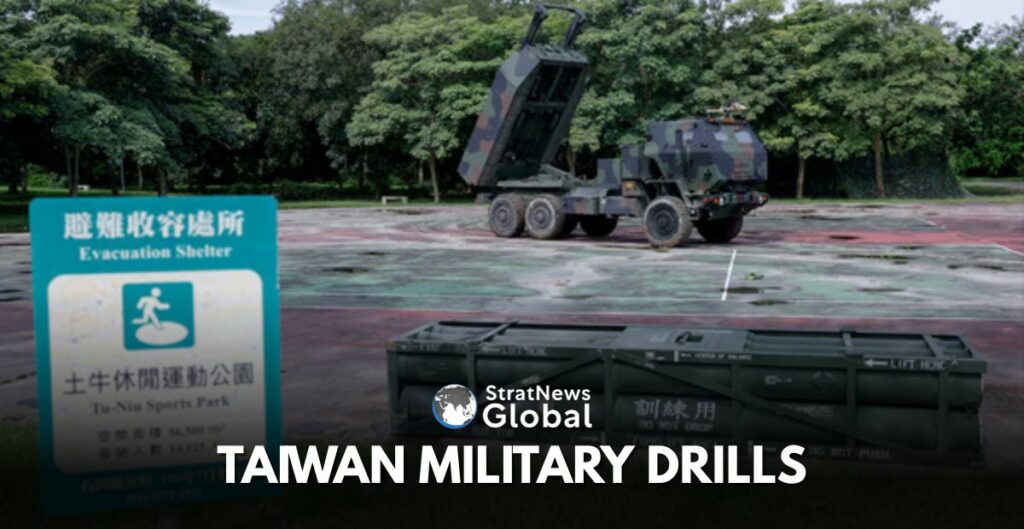
Taiwan Showcases Advanced US HIMARS In Annual Military Drills
Taiwan’s military began deploying one of its newest and most precise strike weapons on Saturday during intensified drills aimed at demonstrating its resolve to repel any Chinese invasion.
Two armoured trucks with HIMARS – High Mobility Artillery Rocket Systems – were seen manoeuvring around the city of Taichung near Taiwan’s central coast on the fourth of 10 days of its most comprehensive annual Han Kuang exercises yet.
Fire simulation and some live-fire drills are expected next week as more air force planes and naval ships become involved.
In a wartime scenario, said a military officer at the site, it would be vital to conceal HIMARS from enemy aerial reconnaissance, satellites “or even enemy operatives behind our lines” until the order to fire was given.
China views democratically governed Taiwan as its own and has intensified military pressure around the island over the last five years, staging a string of intense war games and daily naval and air force patrols around the territory.
Taiwan’s defence ministry said it had detected 14 Chinese air force sorties and nine naval ships around the island overnight. Nine of the sorties crossed the median line, the unofficial barrier between the two sides.
Taiwan rejects China’s sovereignty claims, with President Lai Ching-te saying only Taiwan’s people can decide their future.
‘Nothing But A Bluff’
China’s defence ministry said this week the Han Kuang drills were “nothing but a bluff” while its foreign ministry said its opposition to U.S.-Taiwan military ties was “consistent and very firm”.
Regional military attaches say the HIMARS deployment in a warlike exercise will be closely watched, given that they have been used extensively by Ukraine against Russian forces. Australia has also purchased the Lockheed Martin systems.
Taiwan took delivery last year of the first 11 of 29 HIMARS units, testing them for the first time in May. With a range of about 300 km (190 miles), the weapons could strike coastal targets in China’s southern province of Fujian on the other side of the Taiwan Strait.
Taiwanese military analysts say the weapon would be used with its locally developed Thunderbolt 2000 launchers so Chinese forces could be targeted as they left port or attempted to land on Taiwan’s coast. A Thunderbolt unit was also seen in a park near the HIMARS units.
Senior Taiwanese military officials say the Han Kuang drills are unscripted and designed to replicate full combat conditions, starting with simulated enemy attacks on communications and command systems, leading to a full-blown invasion scenario.
Soldiers on Saturday also staged a blockade of the Tamsui River outside Taipei, deploying a string of explosive pontoons.
The drills aim to show China and the international community, including Taiwan’s key weapons supplier, the U.S., that Taiwan is determined to defend itself against any Chinese attack or invasion, the officials say.
(With inputs from Reuters)
Lavrov Meets Kim, Praises Russia-North Korea Ties
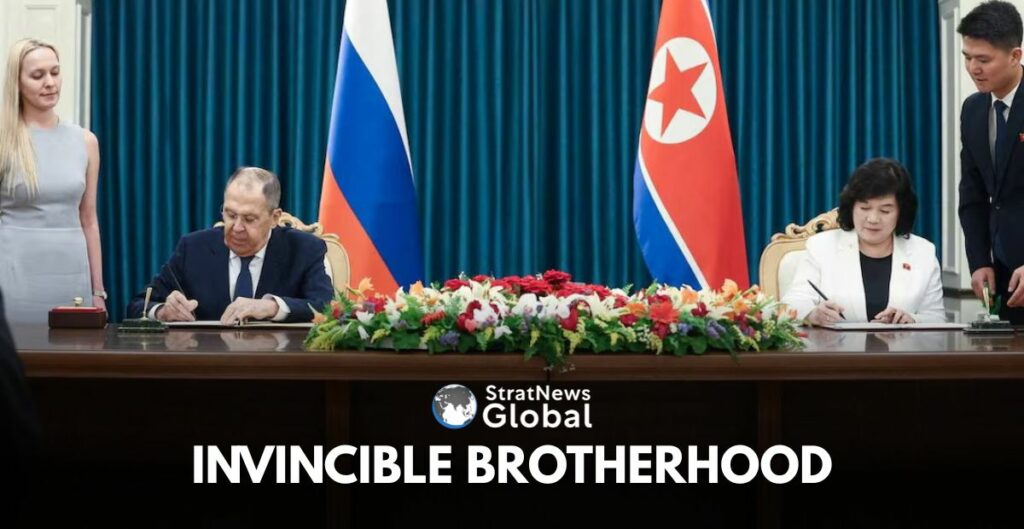
In a strong show of camaraderie, Russian Foreign Minister Sergei Lavrov met North Korean leader Kim Jong Un in the coastal city of Wonsan on Saturday, hailing the ties between the two nations as an ‘invincible fighting brotherhood’, according to Russia’s foreign ministry.
The ministry quoted Lavrov as saying that the visit represented the continuation of “strategic dialogue” between the two sides inaugurated by Russian President Vladimir Putin’s visit to North Korea last year.
In a message passed on by Lavrov, Putin said that he hoped for more direct contacts in future, TASS news agency reported.
Lavrov, the ministry said, also thanked North Korea for the troops it had sent to Russia.
Deeping Ties
Relations between the two countries deepened during the conflict in Ukraine. Thousands of North Korean troops were deployed during the months-long campaign to oust Ukrainian forces from Russia’s Kursk region, while Pyongyang has also supplied Russia with munitions.
Lavrov also met with his North Korean counterpart, Choe Son Hui, TASS reported.
Lavrov arrived in Wonsan on Friday from Malaysian capital Kuala Lumpur following the ASEAN foreign ministers’ meeting. Home to a newly opened seaside resort, Wonsan is also known for its missile and naval facilities.
Lavrov’s visit is the latest high-level meeting between the two countries as they upgrade their strategic cooperation to now include a mutual defence pact.
‘Firm Support’
“We exchanged views on the situation surrounding the Ukrainian crisis … Our Korean friends confirmed their firm support for all the objectives of the special military operation, as well as for the actions of the Russian leadership and armed forces,” TASS quoted Lavrov as saying.
It also quoted his deputy Andrei Rudenko as saying more high-level delegations would visit North Korea later this year.
The South Korean intelligence service has said North Korea may be preparing to deploy more troops in July or August, after sending more than 10,000 soldiers to fight alongside Russia in the war against Ukraine.
Troops, Builders As Help
North Korea has agreed to dispatch 6,000 military engineers and builders for reconstruction in Russia’s Kursk region, where Ukrainian forces launched a mass cross-border incursion nearly a year ago.
Russian news agencies said after North Korea, Lavrov was due to travel to China to attend the Shanghai Cooperation Organisation meeting, scheduled for Monday and Tuesday.
TASS said the new Wonsan coastal resort could boost Russian tourism to North Korea, citing the resumption of direct trains from Moscow to Pyongyang and a project to build a bridge across the Tumen River forming part of the boundary between North Korea, China and Russia.
(With inputs from Reuters)