

Support us by contributing to StratNewsGlobal on the following UPI ID
ultramodern@hdfcbank

Strategic affairs is our game, South Asia and beyond our playground. Put together by an experienced team led by Nitin A. Gokhale. Our focus is on strategic affairs, foreign policy and international relations, with higher quality reportage, analysis and commentary with new tie-ups across the South Asian region.
You can support our endeavours. Visit us at www.stratnewsglobal.com and follow us on YouTube, Twitter, Facebook and Instagram.
र 500 per month
र 1000 per month
र 5000 per year
र 10000 per year
Donate an amount of your choice
र 500 per month
Donate र 500 per month

र 1000 per month
Donate र 1000 per month
र 5000 per year
Donate र 5,000 per year
र 10000 per year
Donate र 10,000 per year
Donate an amount of your choice
Donate an amount of your choice

Congo, M23 Rebels Pledge Peace Deal By August 18
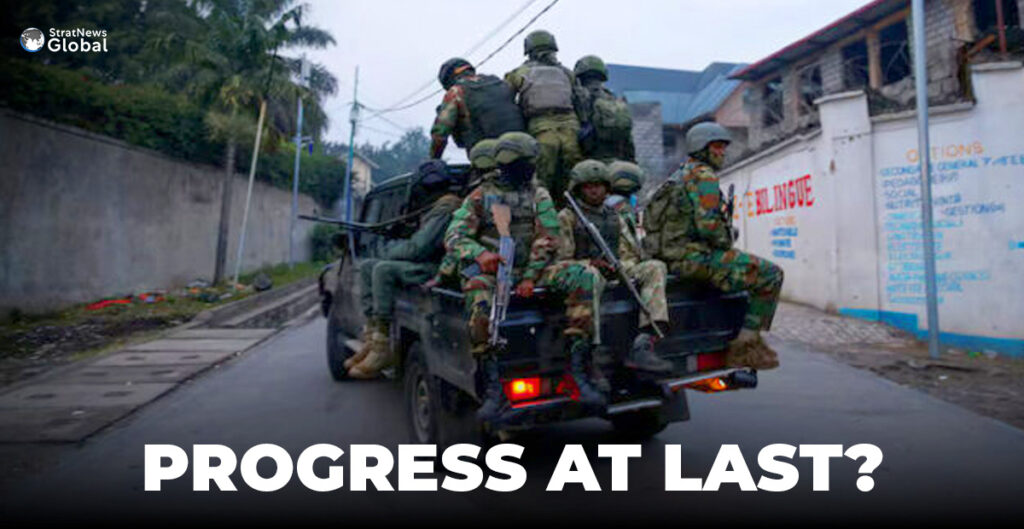
In a notable diplomatic development, the Democratic Republic of Congo and the M23 rebel group on Saturday pledged to sign a peace agreement by August 18 at a ceremony held in Doha — a positive step forward, even though several key details still remain under negotiation.
Representatives of both sides signed a declaration of principles laying out the new timeline, a copy of which was obtained by Reuters, at the ceremony that followed months of Qatari mediation after talks began in April.
The United States, which has hosted separate talks between the governments of Congo and Rwanda, has exerted pressure to finalise a durable peace deal in Congo. President Donald Trump has made clear he hopes that would spur Western investment into a country rich in tantalum, gold, cobalt, copper, lithium and other minerals.
Last month, the Rwandan and Congolese foreign ministers signed a peace deal and met with US President Donald Trump at the White House.
Trump at the time invited Congolese President Felix Tshisekedi and Rwandan President Paul Kagame to Washington to sign a package of agreements potentially including economic deals.
M23 Uprising
The rebel group M23, in the latest of a series of uprisings, has controlled Goma, eastern Congo’s largest city, since late January and has also made gains across North Kivu and South Kivu provinces.
Rwanda has long denied allegations that it has helped M23, which has seized more territory in Congo than it has ever previously held. The fighting has killed thousands and displaced hundreds of thousands more this year, while escalating the risk of a full-scale regional war. Several of Congo’s neighbours had troops deployed in eastern Congo when the advance began.
Qatar’s Minister of State for Foreign Affairs Mohammed bin Abdulaziz Al-Khulaifi said at a news conference Saturday’s declaration “lays the groundwork for a new phase of partnership among the various components of society in the Democratic Republic of the Congo – including armed movements that have chosen to prioritise the greater national interest.”
It was brought about by talks that followed a surprise meeting between Congolese President Felix Tshisekedi and his Rwandan counterpart Paul Kagame, brokered by Qatar in March, during which they called for an “immediate and unconditional” ceasefire.
Congo had previously rejected the idea of holding talks with M23, branding it a terrorist group.
While denying it has supported M23, Rwanda has said its forces have acted in self defence against Congo’s army and ethnic Hutu militiamen linked to the 1994 Rwandan genocide.
Points Of Contention
Sources in both delegations have expressed frustration with the pace of negotiations in Doha and the lack of progress on confidence-building measures including the release of M23 members held by Congo and the re-opening of banks in rebel-held territory.
The declaration of principles does not resolve those issues, instead committing the parties to “creating the necessary conditions” to eventually do so.
It also does not address bigger questions concerning the possible Rwandan and M23 withdrawals from eastern Congo. It says Congo and M23 agree state authority should be restored “on all national territories” as part of an eventual peace agreement but does not give details.
‘Confident’, ‘Hopeful’
Congo government spokesperson Patrick Muyaya nevertheless said on X on Saturday that the declaration “takes into account the red lines we have always defended, including the non-negotiable withdrawal” of M23.
Negotiations for a peace agreement are to start no later than August 8, according to the declaration, which would give the parties less than two weeks to finalise a deal if they stick to their new August 18 deadline.
“We are confident and we are hopeful,” Massad Boulos, Trump’s senior adviser for Africa, told Reuters after Saturday’s ceremony in Doha, adding that Tshiskedi and Kagame “have both committed to resolving this.”
(With inputs from Reuters)
Explosion At Los Angeles County Sheriff Training Facility Kills Three Deputies
Three deputies were killed on Friday in an explosion at a Los Angeles County Sheriff’s Department training facility, according to the sheriff.
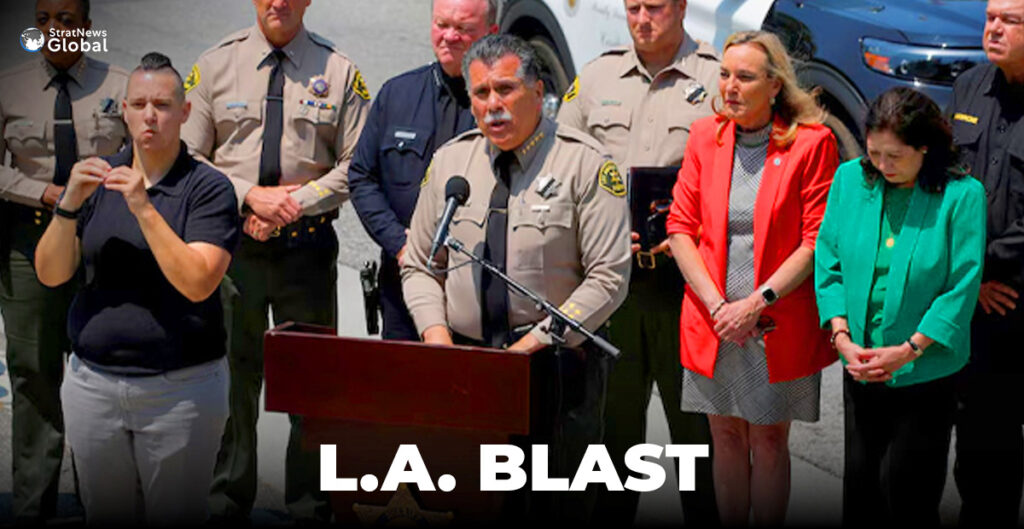
The explosion took place at the Biscailuz Centre Academy Training in East Los Angeles, Sheriff Robert Luna said at a press conference. Luna declined to disclose details but said the area where the explosion occurred had just been deemed safe for investigators to enter.
The Los Angeles Times newspaper, citing unnamed law enforcement sources, reported that the blast took place when a bomb squad moved some explosives. Luna would not confirm that at the news conference.
The names of the victims had not been released, but Luna said they were all veterans with a combined 74 years of experience.
“This is, unfortunately, the largest loss of life for us as the L.A. County Sheriff’s Department, since 1857,” Luna said.
The sheriff said that determining the cause of the explosion could take several days or weeks, but vowed a full investigation.
U.S. Attorney General Pam Bondi wrote on social media that she had spoken with Luna, along with U.S. Attorney for the Central District of California Bill Essayli “about what appears to be a horrific incident that killed at least three at a law enforcement training facility in Los Angeles.”
Bondi said that federal agents were at the scene and working to learn more.
California Governor Gavin Newsom said on social media that the state sent investigators from the Office of the State Fire Marshal to assist with the investigation.
Los Angeles Mayor Karen Bass said that Los Angeles Fire Department arson investigators, along with members of the police department’s bomb squad, were helping in the investigation.
(With inputs from Reuters)
Former South Korean President Yoon Indicted Again Amid Ongoing Martial Law Probe
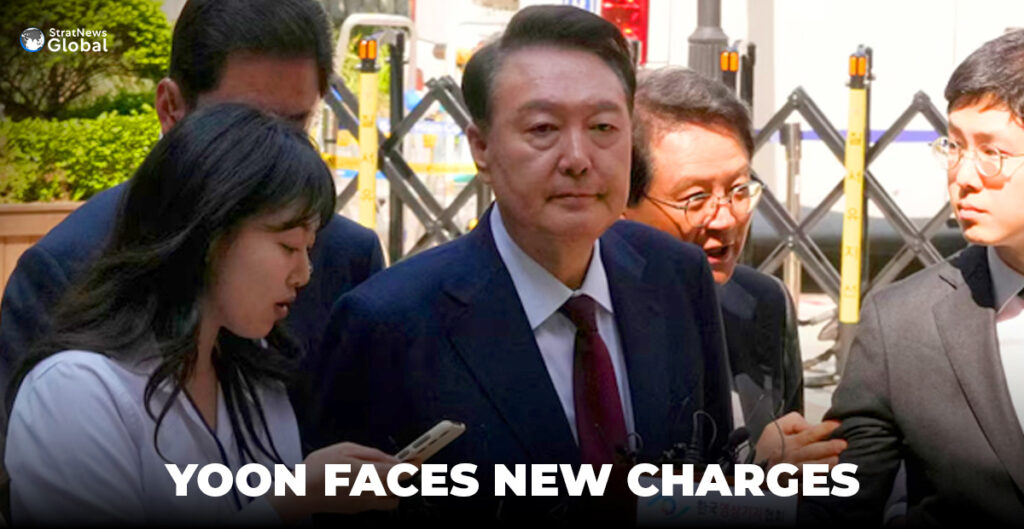
South Korea’s imprisoned former President Yoon Suk Yeol was indicted on new charges on Saturday as a special prosecutor probes his brief December martial law declaration.
The new charges include obstruction of the exercise of others’ rights by abuse of authority, ordering the deletion of records and blocking the execution of arrest warrants, the prosecutor’s office said in a briefing.
Yoon has been on trial on charges of insurrection, which is punishable by death or life imprisonment, facing additional charges since the special prosecutor was appointed in June to take over the cases against him.
Yoon has denied all wrongdoing. His lawyers did not immediately respond to a request for comment on the new charges.
The impeached and deposed former leader has been jailed at Seoul Detention Centre since earlier this month, and a court earlier this week rejected his request to be freed from detention.
Yoon Returns To Jail
Earlier on July 10, Yoon was sent back to jail after a court approved a warrant sought by prosecutors over his alleged attempt to impose martial law.
The Seoul Central District Court’s decision bolstered the special counsel investigation into allegations that Yoon’s move in December represented obstruction of justice and abuse of power.
The court said in a statement it granted the request because of concerns Yoon could seek to destroy evidence.
Potential Capital Punishment
The conservative politician already faces criminal charges of insurrection over his martial law decree, and that could carry a sentence of life in prison or death.
The former president returned to confinement in the Seoul Detention Centre about 20 km (12 miles) south of the capital after the decision. He spent 52 days in jail earlier in the year but was released four months ago on technical grounds.
The Constitutional Court ousted him as president in April, upholding parliament’s impeachment for the martial law bid, which shocked South Koreans and triggered months of political turmoil.
The special prosecution team launched its investigation after new leader Lee Jae Myung was elected in June, and it has been looking into additional charges against Yoon.
(With inputs from Reuters)
Israel, Syria Agree To Ceasefire As Syrian Troops Granted Limited Access To Sweida
Israel and Syria have reached a ceasefire agreement after days of deadly violence in the Druze region that left over 300 dead, the U.S. envoy to Turkiye said on Friday.
On Wednesday, Israel launched airstrikes in Damascus and hit government forces in the south, demanding they withdraw and saying that Israel aimed to protect Syrian Druze – part of a small but influential minority that also has members in Lebanon and Israel.
“We call upon Druze, Bedouins, and Sunnis to put down their weapons and together with other minorities build a new and united Syrian identity,” Tom Barrack, the U.S. ambassador to Turkiye, said in a post on X.
Barrack said that Israel and Syria agreed to the ceasefire supported by Turkiye, Jordan and neighbours.
The Israeli embassy in Washington and the Syrian consulate in Canada did not immediately respond to requests for comment.
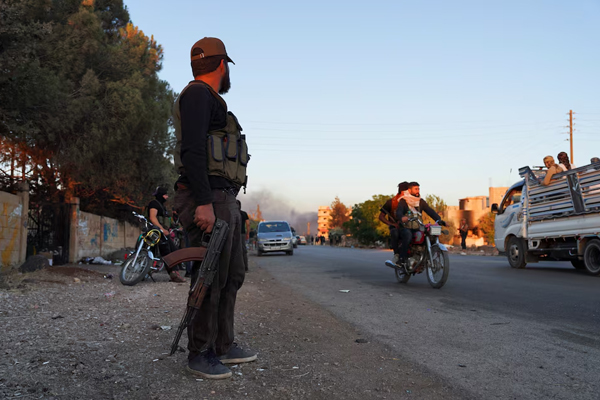
Syria’s Sweida province has been engulfed by nearly a week of violence triggered by clashes between Bedouin fighters and Druze factions.
Limited Access
Earlier on Friday, an Israeli official said Israel agreed to allow Syrian forces limited access to the Sweida area of southern Syria for the next two days.
The Syrian presidency said late on Friday that authorities would deploy a force in the south dedicated to ending the clashes, in coordination with political and security measures to restore stability and prevent the return of violence.
Damascus earlier this week dispatched government troops to quell the fighting, but they were accused of carrying out widespread violations against the Druze and were hit by Israeli strikes before withdrawing under a truce agreed on Wednesday.
Israel had repeatedly said it would not allow Syrian troops to deploy to the country’s south, but on Friday, it said it would grant them a brief window to end renewed clashes there.
“In light of the ongoing instability in southwest Syria, Israel has agreed to allow limited entry of the (Syrian) internal security forces into the Sweida district for the next 48 hours,” the official, who declined to be named, told reporters.
‘Shielding’ Druze Minority
Describing Syria’s new rulers as barely disguised jihadists, Israel has vowed to shield the area’s Druze community from attack, encouraged by calls from Israel’s own Druze minority.
It carried out more strikes on Sweida in the early hours of Friday.
The U.S. intervened to help secure the earlier truce between government forces and Druze fighters, and the White House said on Thursday that it appeared to be holding.
Syrian leader Ahmed al-Sharaa, who has worked to establish warmer ties with the U.S., accused Israel of trying to fracture Syria and promised to protect its Druze minority.
Reuters reporters saw a convoy of units from Syria’s interior ministry stopped on a road in Daraa province, which lies directly east of Sweida. A security source told Reuters that forces were awaiting a final green light to enter Sweida.
But thousands of Bedouin fighters were still streaming into Sweida on Friday, the Reuters reporters said, prompting fears among residents that violence would continue unabated.
The Syrian Network for Human Rights said it had documented 321 deaths in fighting since Sunday, among them medical personnel, women and children. It said they included field executions by all sides.
Syria’s minister for emergencies said more than 500 wounded had been treated and hundreds of families had been evacuated out of the city.
‘Noting At All’
Clashes continued in the north and west of Sweida province, according to residents and Ryan Marouf, the head of local news outlet Sweida24.
Residents said they had little food and water, and that electricity had been cut to the city for several days.
“For four days, there has been no electricity, no fuel, no food, no drink, nothing at all,” said Mudar, a 28-year-old resident of Sweida who asked to be identified only by his first name out of fear of reprisals.
“The clashes haven’t stopped,” he said, adding that “we can’t get news easily because there’s barely internet or phone coverage.”
The head of the U.N. human rights office urged Syria’s interim authorities to ensure accountability for what it said are credible reports of widespread rights violations during the fighting, including summary executions and kidnappings, the office said in a statement.
At least 13 people were unlawfully killed in one recorded incident on Tuesday when affiliates of the interim authorities opened fire at a family gathering, the OHCHR said. Six men were summarily executed near their homes the same day.
The UN refugee agency on Friday urged all sides to allow humanitarian access, which it said had been curtailed by the violence.
Israel’s deep distrust of Syria’s new Islamist-led leadership appears to be at odds with the United States, which said it did not support the recent Israeli strikes on Syria.
(With inputs from Reuters)
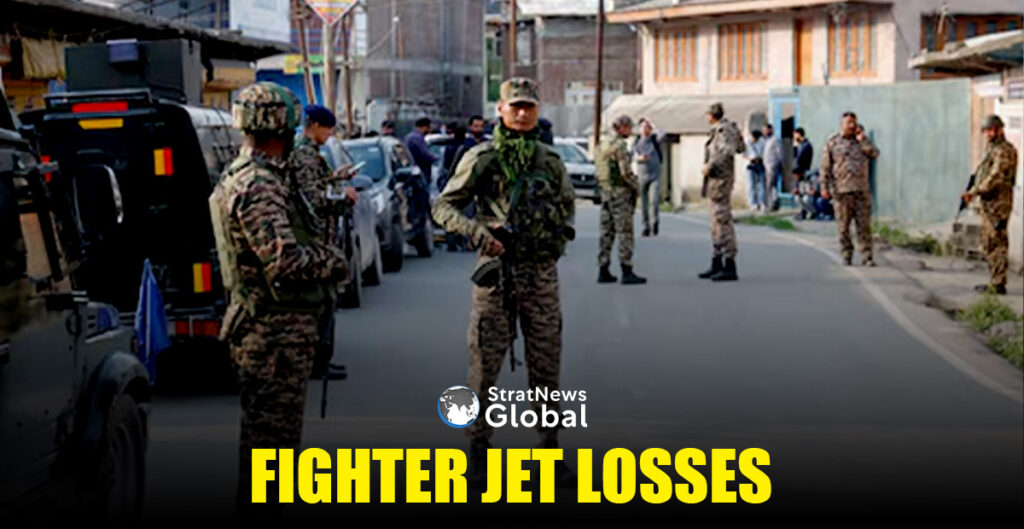
Trump Says Up To Five Jets Downed During India-Pakistan Hostilities In May
U.S. President Donald Trump said on Friday that up to five jets were shot down during the recent India-Pakistan hostilities, which were triggered by a deadly terrorist attack in Jammu and Kashmir’s Pahalgam in April, with tensions easing after a ceasefire in May.
Trump, who made his remarks at a dinner with some Republican U.S. lawmakers at the White House, did not specify which side’s jets he was referring to.
“In fact, planes were being shot out of the air. Five, five, four or five, but I think five jets were shot down actually,” Trump said while talking about the India-Pakistan hostilities, without elaborating or providing further detail.
Pakistan claimed it had downed five Indian planes in air-to-air combat. India’s highest-ranking general said in late May that India switched tactics after suffering losses in the air on the first day of hostilities and established an advantage before a ceasefire was announced three days later.
India also claimed it had downed “a few planes” of Pakistan. Islamabad denied suffering any losses of planes but acknowledged its air bases suffered hits.
Trump Claims Credit
Trump has repeatedly claimed credit for the ceasefire between India and Pakistan that he announced on social media on May 10 after Washington held talks with both sides. India has differed with Trump’s claims that it resulted from his intervention and his threats to sever trade talks.
India’s position has been that New Delhi and Islamabad must resolve their problems directly and with no outside involvement.
India is an increasingly important U.S. partner in Washington’s effort to counter China’s influence in Asia, while Pakistan is a U.S. ally.
The April attack in Jammu and Kashmir killed 26 men, mostly Hindu tourists, and sparked heavy fighting between the nuclear-armed Asian neighbours in the latest escalation of a decades-old rivalry.
New Delhi blamed the terrorist attack on Pakistan, which denied responsibility while calling for a neutral investigation.
Washington condemned the attack but did not directly blame Islamabad.
On May 7, Indian jets bombed sites across the border that New Delhi described as “terrorist infrastructure,” setting off an exchange of attacks between the two countries by fighter jets, missiles, drones, and artillery that killed dozens until the ceasefire was reached.
(With inputs from Reuters)
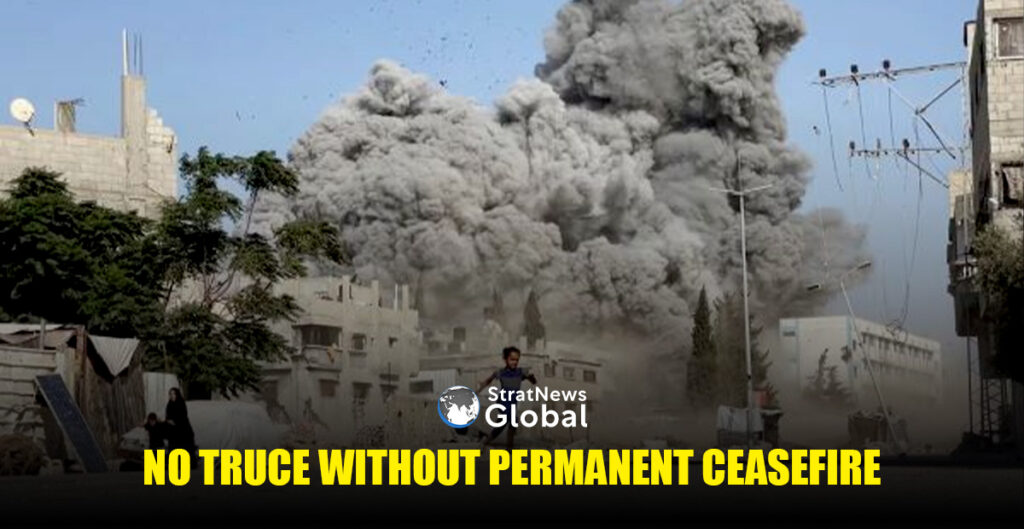
Hamas Rules Out Interim Truce Without Progress Towards Permanent Ceasefire
A spokesperson for Hamas’ armed wing stated on Friday that although the group supports an interim truce in the Gaza conflict, failure to reach such an agreement in ongoing talks could lead them to demand a comprehensive deal to fully end the war.
Hamas has repeatedly offered to release all the hostages held in Gaza and conclude a permanent ceasefire agreement, and Israel has refused, Abu Ubaida added in a televised speech.
Arab mediators Qatar and Egypt, backed by the United States, have hosted more than 10 days of talks on a U.S.-backed proposal for a 60-day interim truce in the war that has laid waste to the Palestinian enclave.
Israeli officials were not immediately available for comment on the eve of the Jewish Sabbath.
No Reciprocation From Hamas
Israeli Prime Minister Benjamin Netanyahu’s office said in a statement on a call he had with Pope Leo on Friday that Israel’s efforts to secure a hostage release deal and 60-day ceasefire, “have so far not been reciprocated by Hamas”.
As part of the potential deal, 10 hostages held in Gaza would be returned along with the bodies of 18 others, spread out over 60 days. In exchange, Israel would release a number of detained Palestinians.
“If the enemy remains obstinate and evades this round as it has done every time before, we cannot guarantee a return to partial deals or the proposal of the 10 captives,” said Abu Ubaida.
Disputes remain over maps of Israeli army withdrawals, aid delivery mechanisms into Gaza, and guarantees that any eventual truce would lead to ending the war, said two Hamas officials on Friday.
The officials said the talks have not reached a breakthrough on the issues under discussion.
Hamas says any agreement must lead to ending the war, while Netanyahu says the war will only end once Hamas is disarmed and its leaders expelled from Gaza.
Israel’s campaign in Gaza has killed more than 58,600 Palestinians, according to Gaza health authorities.
Almost 1,650 Israelis and foreign nationals have been killed as a result of the conflict, including 1,200 killed in the October 7, 2023, Hamas attack on southern Israel, according to Israeli tallies.
(With inputs from Reuters)
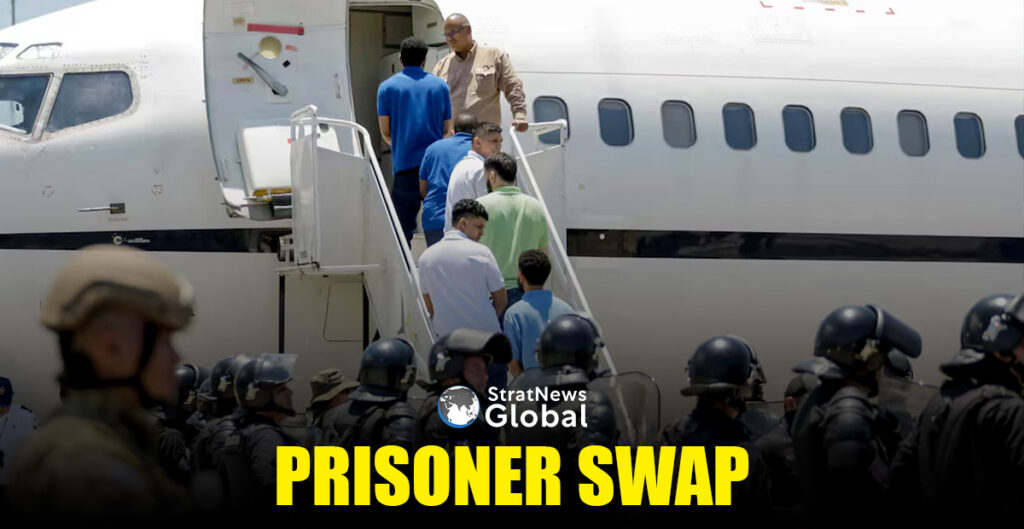
Venezuelans Deported By US Return In Swap Involving 10 Americans
In a significant repatriation move, more than 200 Venezuelans who were deported from the United States earlier this year over alleged gang affiliations and subsequently held in an El Salvador jail, returned to Caracas on Friday.
The release was part of a coordinated prisoner exchange, with 10 Americans held in Venezuela returned to the United States, officials from all three countries said.
In a post on X, El Salvador President Nayib Bukele said the Americans were en route to El Salvador from where they would continue “their journey home,” while US Secretary of State Marco Rubio confirmed the release of “ten Americans who were detained in Venezuela.” He thanked Bukele for his help in securing the agreement.
Maduro Celebrates Arrival
Venezuela’s government said 252 Venezuelans held in El Salvador had been freed. President Nicolas Maduro celebrated the arrival of two airplanes carrying them near Caracas on Friday evening.
The Venezuelans were sent to El Salvador from the United States in March after US President Donald Trump invoked the 1798 Alien Enemies Act to swiftly deport alleged members of the Tren de Aragua gang without going through normal immigration procedures. They were held in El Salvador’s notorious CECOT maximum security prison.
The deportations drew fierce criticism from human rights groups and a legal battle with the Trump administration over allegations that due process was not followed.
‘Can’t Believe It’
Family members of many of the Venezuelans and their lawyers deny they had gang ties, and say they were not given a chance to contest the Trump administration’s allegations in court.
“I can’t believe it,” said Angie Rios, the US citizen wife of Venezuelan CECOT detainee Jesus Rios after seeing Bukele’s X post about the release. “I have chills all over my body.”
Some family members of Venezuelan CECOT prisoners told Reuters they expected to greet their loved ones from a distance before the men are processed by Venezuelan authorities.
The government has said all the men will receive a full medical check and then be released to go home. It says only seven of them have a serious criminal record.
Political Prisoners
The shuttered US embassy in Caracas shared a photo on X of 10 men waving American flags alongside US Charge d’Affaires John McNamara, who is based in Bogota. A press representative said the photo was taken in Caracas. A later photo showed the men onboard a plane.
Senior US officials also said 80 domestic political prisoners in Venezuela would be freed, although the Venezuelan government referred only to “alternative” detention measures in its statement.
Former opposition governor and politician Williams Davila, arrested in August of last year, was released on Friday, said Venezuelan Interior Minister Diosdado Cabello, while an NGO for political prisoners published a list of 14 others they said had been released.
Separately, Venezuela hailed the return of seven migrant children who had been separated from their parents in the United States. The children were among another batch of Venezuelans who returned from the US on a regular deportation flight.
Venezuela’s government has always decried the detention of its citizens as a violation of human rights and international law. But the government’s critics say the country holds activists and opposition figures in similar conditions in Venezuela.
US Alien Enemies Act
The US Alien Enemies Act is best known for being used to intern and deport people of Japanese, German and Italian descent during World War Two.
Trump’s use of the act kicked off a major legal standoff in the US that tested the balance of power between the president and the judiciary, a co-equal branch of government to the executive.
Much of the legal battle focused on whether the Trump administration had violated a court order by declining to turn around the planes carrying the Venezuelans to El Salvador, despite a judge’s directive to halt the deportations.
The Supreme Court in May said the Trump administration must give “constitutionally adequate notice” before using the Alien Enemies Act to bypass standard immigration processes.
The high court also ruled that people subjected to the law are entitled to habeas petitions to request their release, limiting its application.
(With inputs from Reuters)
Syria Misinterpreted US, Israeli Signals As Go-Ahead For Troop Deployment In Sweida
Syria’s government misjudged Israel’s likely reaction to its troop deployment in the country’s south this week, having been encouraged by U.S. signals supporting a centralized Syrian state, according to eight sources familiar with the situation.
Israel carried out strikes on Syrian troops and on Damascus on Wednesday in an escalation that took the Islamist-led leadership by surprise, the sources said, after government forces were accused of killing scores of people in the Druze city of Sweida.
Damascus believed it had a green light from both the U.S. and Israel to dispatch its forces south despite months of Israeli warnings not to do so, according to the sources, which include Syrian political and military officials, two diplomats, and regional security sources.
That understanding was based on public and private comments from U.S. special envoy for Syria Thomas Barrack, as well as on nascent security talks with Israel, the sources said. Barrack has called for Syria to be centrally administered as “one country” without autonomous zones.
Syria’s understanding of U.S. and Israeli messages regarding its troop deployment to the south has not been previously reported.
Diplomatic Discussions
A State Department spokesperson declined to comment on private diplomatic discussions but said the United States supported the territorial unity of Syria. “The Syrian state has an obligation to protect all Syrians, including minority groups,” the spokesperson said, urging the Syrian government to hold perpetrators of violence accountable.
A senior official from Syria’s ministry of foreign affairs denied that Barrack’s comments had influenced the decision to deploy troops, which was made based on “purely national considerations” and with the aim of “stopping the bloodshed, protecting civilians and preventing the escalation of civil conflict”.
Damascus sent troops and tanks to Sweida province on Monday to quell fighting between Bedouin tribes and armed factions within the Druze community – a minority that follows a religion derived from Islam, with followers in Syria, Lebanon and Israel.
Syrian forces entering the city came under fire from Druze militia, according to Syrian sources.
Syrian Troops
Subsequent violence attributed to Syrian troops, including field executions and the humiliation of Druze civilians, triggered Israeli strikes on Syrian security forces, the defence ministry in Damascus and the environs of the presidential palace, according to two sources, including a senior Gulf Arab official.
Prime Minister Benjamin Netanyahu said Israel intervened to block Syrian troops from entering southern Syria – which Israel has publicly said should be a demilitarized zone – and to uphold a longstanding commitment to protect the Druze.
Syrian leader Ahmed al-Sharaa has vowed to hold accountable those responsible for violations against the Druze. He blamed “outlaw groups” seeking to inflame tensions for any crimes against civilians and did not say whether government forces were involved.
The U.S. and others quickly intervened to secure a ceasefire by Wednesday evening. U.S. Secretary of State Marco Rubio described the flare-up as a “misunderstanding” between Israel and Syria.
A Syrian and a Western source familiar with the matter said Damascus believed that talks with Israel as recently as last week in Baku produced an understanding over the deployment of troops to southern Syria to bring Sweida under government control.
Israel said on Friday it had agreed to allow limited access by Syrian forces into Sweida for the next two days. Soon after, Syria said it would deploy a force dedicated to ending the communal clashes, which continued into Saturday morning.
Joshua Landis, head of the Center for Middle East Studies at the University of Oklahoma, said it appeared Sharaa had overplayed his hand earlier in the week.
“It seems that his military staff misunderstood the backing of the U.S. It also misunderstood Israel’s stand on the Jabal Druze (in Sweida) from its talks with Israel in Baku,” he said.
‘Took It As A Yes’
A Syrian military official said correspondence with the U.S. had led Damascus to believe it could deploy forces without Israel confronting them.
The official said U.S. officials had not responded when informed about plans for the deployment, leading the Syrian leadership to believe it had been tacitly approved and “that Israel would not interfere.”
A diplomat based in Damascus said Syrian authorities had been “overconfident” in its operation to seize Sweida, “based on U.S. messaging that turned out not to reflect reality.”
U.S. envoy Barrack has said publicly and in private meetings in Damascus that Syria should be “one country,” without autonomous rule for its Druze, Kurdish or Alawite communities, which remain largely distrustful of the new Islamist-led leadership.
That distrust has prompted Druze factions and a major Kurdish force in northeast Syria to resist Syrian army deployments, and demand their own fighters be integrated into the army as wholesale units only stationed in their territory.
Landis said it appeared Sharaa had understood Barrack’s statements against federalism in Syria “to mean that the central government could impose its will on the Druze minority by force.”
‘Big Mistake’
The senior Gulf official said Damascus had made a “big mistake” in its approach to Sweida, saying troops had committed violations including killing and humiliating Druze. The nature of violence handed Israel an opportunity to act forcefully, the Gulf official and another source said.
The Syrian Network for Human Rights, an independent monitoring group, said on Friday the death toll from the violence had reached at least 321 people, among them medical personnel, women and children. It said they included field executions by all sides.
The official from the Syrian ministry of foreign affairs said the Sweida operation was not aimed at revenge or escalation, but at preserving the peace and unity of the country.
Syrian troops were ready to re-engage to end the communal violence there “whenever appropriate conditions arise, including clear guarantees from the United States that Israel will not intervene,” the official said, speaking before the Israeli announcement.
U.S. Did Not Back Israeli Strikes
Israel initially lobbied the United States to keep the country weak and decentralised after Assad’s fall.
In May, U.S. President Donald Trump met with Sharaa, said he would lift all U.S. sanctions, and nudged Israel to engage with Damascus even though much of Israel’s political establishment remains skeptical of new Syrian leadership.
A State Department spokesperson said on Thursday that the U.S. “did not support” Israel’s strikes on Sweida this week.
The attacks also came as a shock to some Americans in Syria. Hours before Israel struck the capital city on Wednesday, executives from three US-based energy companies arrived in Damascus for a day of meetings.
The lead member and organizer, Argent LNG CEO Jonathan Bass, said he had been sufficiently reassured by Washington that the violence unfolding in Sweida would not escalate to Damascus.
They were pitching an energy project to Syria’s finance minister when Israel struck.
(With inputs from Reuters)
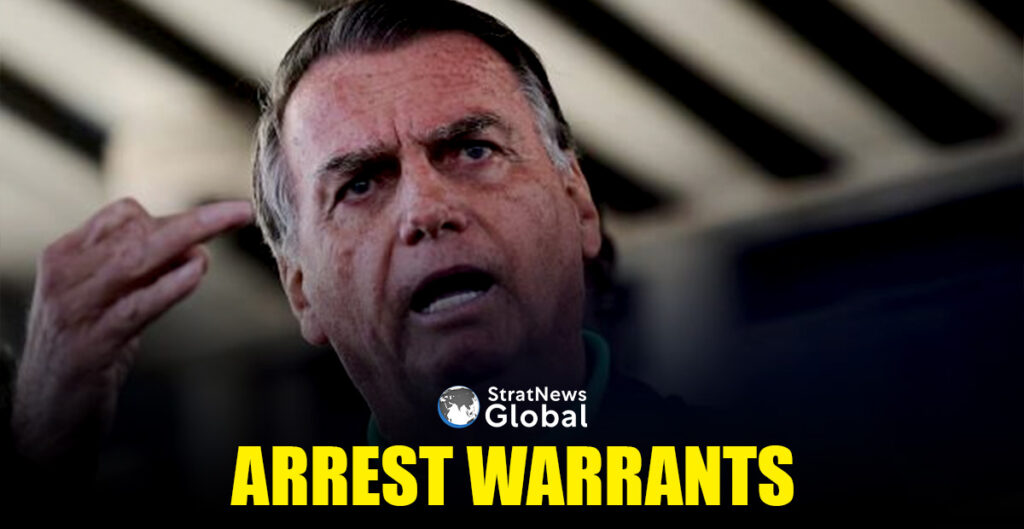
Brazil’s Supreme Court Issues Warrants Against Bolsonaro; U.S. Revokes Judge’s Visa
Brazil’s top court on Friday issued search warrants and imposed restraining orders against former President Jair Bolsonaro, prohibiting him from engaging with foreign officials over accusations that he sought the involvement of U.S. President Donald Trump.
Washington responded by hitting Supreme Court Justice Alexandre de Moraes and unspecified other allies with visa restrictions.
U.S. Secretary of State Marco Rubio called Moraes’ court orders a “political witch hunt” that had prompted him to make immediate visa revocations for “Moraes and his allies on the court, as well as their immediate family members.” The Supreme Court did not immediately respond to requests for comment.
Trump has already tried to use pressure to help Bolsonaro by announcing a 50% tariff on goods from Latin America’s No. 1 economy.
Bolsonaro said that he believed the court orders were a reaction to Trump’s criticism of his trial before the Supreme Court for trying to overturn the last election.
Trump’s Tactics Are Backfiring
The court’s crackdown on Bolsonaro added to evidence that Trump’s tactics are backfiring in Brazil, compounding trouble for his ideological ally and rallying public support behind a defiant leftist government.
Bolsonaro was banned from contacting foreign officials, using social media or approaching embassies, according to the decision issued by Moraes, who cited a “concrete possibility” of him fleeing the country. His home was raided by federal police and he had an ankle monitor placed on him.
In an interview at his party’s headquarters on Friday, Bolsonaro called Moraes a “dictator” and described the latest court orders as acts of “cowardice.”
“I feel supreme humiliation,” he said, when asked how he felt about wearing the ankle monitor. “I am 70 years old, I was president of the republic for four years.”
Bolsonaro denied any plans to leave the country, but said he would meet with Trump if he could get access to his passport, which police seized last year. He also said he had sought out the top U.S. diplomat in Brazil to discuss Trump’s tariff threat.
Asked about Bolsonaro’s comments, White House spokesperson Anna Kelly said on Friday, citing previous comments from Trump, “Bolsonaro and his supporters are under attack from a weaponized court system.”
In his decision, Moraes said the restrictions against Bolsonaro were due to accusations that the former president was making efforts to get the “head of state of a foreign nation” to interfere in Brazilian courts, which the judge cast as an attack on national sovereignty.
Bolsonaro On Trial
Bolsonaro is on trial before Brazil’s Supreme Court on charges of plotting a coup to stop President Luiz Inacio Lula da Silva from taking office in January 2023.
Trump has in recent weeks pressed Brazil to stop the legal case against Bolsonaro, saying that his ally was the victim of a “witch hunt”. The U.S. president said last week he would impose a 50% tariff on Brazilian goods from August 1, in a letter that opened with criticism of the Bolsonaro trial.
Trump on Thursday shared on Truth Social a letter he sent to Bolsonaro. “I have seen the terrible treatment you are receiving at the hands of an unjust system turned against you. This trial should end immediately!” he wrote.
Moraes wrote in his decision that the higher tariffs threatened by Trump were aimed at creating a serious economic crisis in Brazil to interfere in the country’s judicial system.
Bolsonaro was also prohibited from contacting key allies including his son Eduardo Bolsonaro, a Brazilian congressman who has been working in Washington to drum up support his father.
Bolsonaro said he had been talking to his son almost daily, denying any concerted U.S. lobbying effort on his behalf. He said he expected his son to seek U.S. citizenship to avoid returning to Brazil.
A five-judge panel of Supreme Court judges reviewed and upheld Moraes’ decision on Friday afternoon.
(With inputs from Reuters)
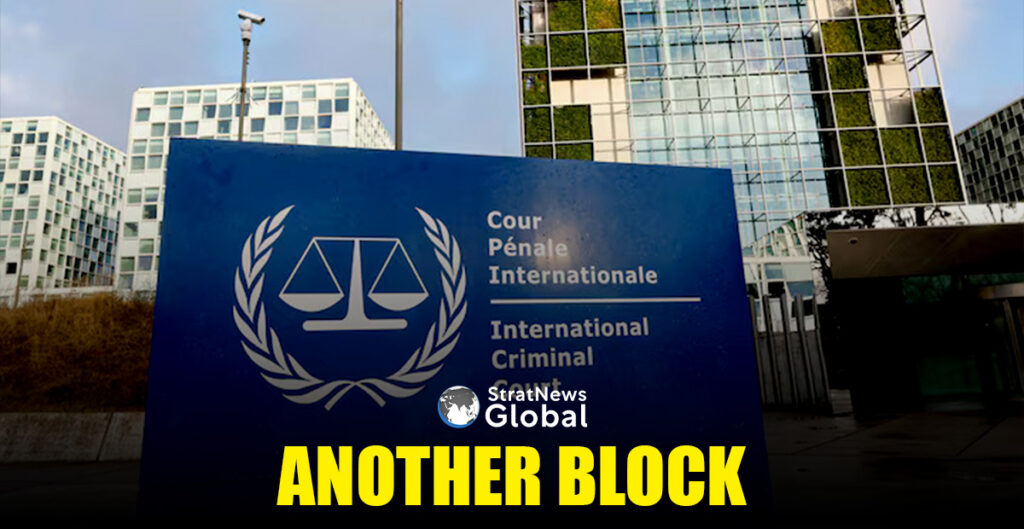
US Judge Blocks Trump’s ICC Sanctions Order
In a noteworthy development, a federal judge on Friday halted the enforcement of US President Donald Trump’s executive order that sought to penalise individuals and entities engaging with the International Criminal Court (ICC), marking a legal setback for the administration’s stance against the tribunal.
The ruling comes in response to a lawsuit filed in April by two prominent human rights advocates, who had challenged President Donald Trump’s executive order issued on February 6. The controversial order had authorised the imposition of sweeping economic and travel sanctions on individuals involved in International Criminal Court (ICC) investigations concerning US citizens or its close allies, including Israel.
Unconstitutional Infringement On Free Speech
In her ruling, US District Judge Nancy Torresen called the executive order an unconstitutional infringement on free speech.
“The executive order appears to restrict substantially more speech than necessary to further that end,” she wrote.
“The executive order broadly prohibits any speech-based services that benefit the prosecutor, regardless of whether those beneficial services relate to an ICC investigation of the United States, Israel, or another US ally.”
The White House and the ICC did not immediately respond to requests for comment.
British Prosecutor Targeted
The executive order had imposed direct sanctions on ICC Prosecutor Karim Khan, a British national. In addition, the US Treasury Department’s Office of Foreign Assets Control (OFAC) officially listed him on its registry of sanctioned individuals and entities, effectively subjecting him to financial restrictions and a travel ban under US jurisdiction.
As per the executive order, US citizens who offer any form of support or services benefiting Karim Khan or other individuals placed under sanctions could be subjected to both civil and criminal penalties.
The order has drawn widespread condemnation from the International Criminal Court (ICC) as well as from dozens of countries, who view it as an attempt to undermine international justice and intimidate those pursuing accountability for war crimes and other serious offences.
(With inputs from Reuters)