

Support us by contributing to StratNewsGlobal on the following UPI ID
ultramodern@hdfcbank

Strategic affairs is our game, South Asia and beyond our playground. Put together by an experienced team led by Nitin A. Gokhale. Our focus is on strategic affairs, foreign policy and international relations, with higher quality reportage, analysis and commentary with new tie-ups across the South Asian region.
You can support our endeavours. Visit us at www.stratnewsglobal.com and follow us on YouTube, Twitter, Facebook and Instagram.
र 500 per month
र 1000 per month
र 5000 per year
र 10000 per year
Donate an amount of your choice
र 500 per month
Donate र 500 per month

र 1000 per month
Donate र 1000 per month
र 5000 per year
Donate र 5,000 per year
र 10000 per year
Donate र 10,000 per year
Donate an amount of your choice
Donate an amount of your choice

Trump’s Cowboy Style Tariff Tactics Is Helping BRICS Consolidate?
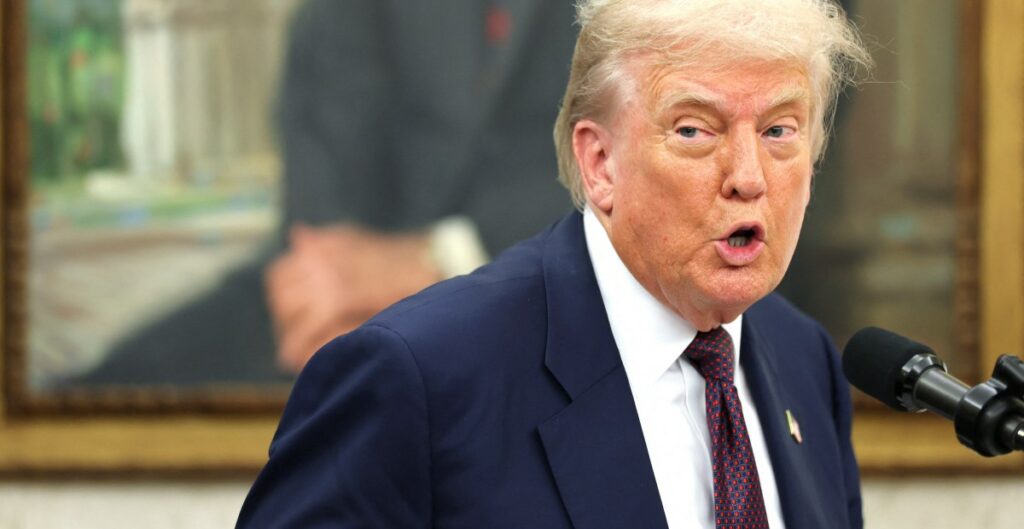
“The tariff policy of the American administration resembles a cowboy style, which generally indicates a crisis in American diplomacy,” said a Moscow-based strategic analyst, speaking on condition of anonymity. “Cowboys should also have their own ethics and rules. Trump, however, is currently sticking exclusively to a game without rules.”
India had expected a more stable second-term relationship with Trump, underpinned by shared concerns over China and strong personal rapport between the leaders. Instead, the tariff spike, seen as coercive and unilateral, has pushed India to reassert its strategic autonomy.
“Trump’s tactics are backfiring,” the Moscow-based analyst claimed. “Rather than increasing American leverage, he’s uniting BRICS members and making longtime partners question U.S. reliability.”
Former diplomat Narinder Chauhan argues that India is being targeted for what it represents in the new global order.
“On the one hand, India has been a crucial strategic partner of the U.S. in its rivalry with China. On the other, India’s huge trade surplus with the U.S. and its close relations with Russia—which is under pressure from the U.S. to agree to a peace agreement with Ukraine—has made India an unwitting target for punitive tariffs,” Chauhan explained.
“By cherry-picking oil trade and ignoring PNG imports to Europe and China, Washington and Brussels are clearly using double standards. India has rightly called out this doublespeak by both the U.S. and EU.”
She noted that Russia sees the pressure campaign as more about opening India’s markets to U.S. agriculture, dairy, and defence products than about the Ukraine war. Trump himself hinted at the transactional nature of his approach, reportedly telling a journalist:
“It’s only been a few hours—the rest of the movie remains to be seen.”
“President Trump is a businessman,” she said. “He wants a deal on his terms. But Prime Minister Modi has already made it clear—there will be no compromise on India’s crucial interests. Trade deals take years, even a decade. Trump doesn’t have that time.”
Chauhan warns that failure to secure a deal may even jeopardize Trump’s participation in the November QUAD Summit, with broader implications for Indo-Pacific strategy and the so-called “containment of China.”
Professor Rajan Kumar from Jawaharlal Nehru University identifies three likely responses by India: hard negotiation with India refusing to open up sensitive sectors like agriculture; tied to this is a flexible oil strategy which may seen some reduction in Russian oil imports as price gap narrows; and some warming up to China.
“Attending the SCO Summit in China is not business as usual,” said Kumar. “India had been keeping its engagement with SCO low-key due to border tensions. But with Trump’s tariffs and growing instability, India is returning to regional platforms to rebalance.”
Trump’s tariff war is also seen as a catalyst accelerating BRICS consolidation. India is reportedly in advanced discussions with Brazil and other members on expanding trade in local currencies, promoting cross-border digital payments (such as India’s UPI and Brazil’s PIX), and boosting lending through the New Development Bank.
“India is not retreating—it’s repositioning,” said the Moscow analyst. “Washington’s pressure is ironically uniting the Global South. And it’s no longer about symbolism. BRICS is now a real economic and strategic bloc.”
Israel’s Security Cabinet Approves Plan To Seize Control Of Gaza City
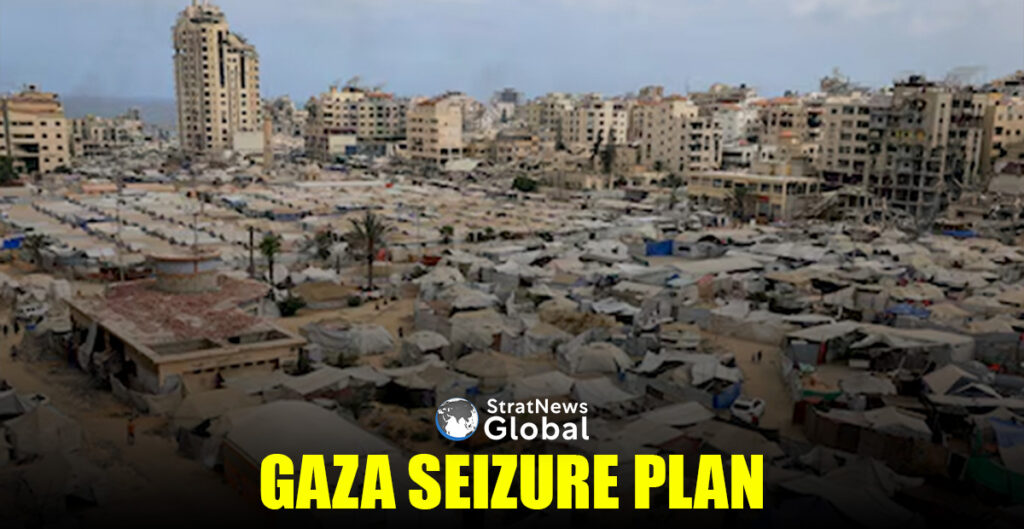
Israel’s political-security cabinet early on Friday approved a plan to seize control of Gaza City, expanding military operations despite mounting domestic and international criticism over the nearly two-year war.
Far-right allies in Prime Minister Benjamin Netanyahu’s coalition have been pushing for a total takeover of Gaza as part of his vow to eradicate Hamas militants, though the military has warned this could jeopardise the lives of remaining hostages.
The decision came after multiple failed attempts to mediate a ceasefire and amid a rising international outcry over images of starving Palestinian children underlining a deepening humanitarian disaster in the shattered enclave.
“The IDF will prepare to take control of Gaza City while providing humanitarian aid to the civilian population outside the combat zones,” Netanyahu’s office said in a statement, referring to the Israeli Defence Forces.
Focus Shifts To Gaza City
While Netanyahu said on Thursday Israel intended to take military control of the entire Gaza Strip, the plan approved on Friday focused specifically on sprawling Gaza City, the territory’s largest urban centre, located in its north.
Axios reporter Barak Ravid, citing an Israeli official, said on X that the plan involved evacuating Palestinian civilians from Gaza City and launching a ground offensive there.
Asked if Israel, whose forces say they already hold about 75% of the slender coastal strip, would occupy all of it, Netanyahu told Fox News Channel’s Bill Hemmer in an interview on Thursday: “We intend to.”
But he said Israel wanted to hand over the territory to Arab forces to govern it. He did not elaborate on the governance arrangements or which Arab countries could be involved.
“We don’t want to keep it. We want to have a security perimeter. We don’t want to govern it. We don’t want to be there as a governing body,” he said.
British Prime Minister Keir Starmer said Israel’s decision to seize Gaza City was wrong and urged it to reconsider.
“This action will do nothing to bring an end to this conflict or to help secure the release of the hostages. It will only bring more bloodshed,” he said.
Australia urged Israel “not to go down this path”.
Military Chief Pushes Back
Israeli officials described a previous meeting this week with the head of the military as tense, saying military chief Eyal Zamir had pushed back against expanding Israel’s campaign, which has displaced almost all Gaza’s 2.2 million people.
Netanyahu, who has said there will be no end to the war until Hamas is completely destroyed, has come under pressure from Israelis to do whatever it takes to bring home hostages held by Hamas in Gaza, though many want the war to stop.
“Well, basically, I think it’s a death sentence to all the hostages that are still being held there. And it’s the wrong decision to do it at this time,” said Danny Bukovsky, a hotelier in Tel Aviv.
Among the scenarios considered ahead of the security meeting was a phased takeover of areas in Gaza not yet under military control, a government source said, speaking on condition of anonymity.
Evacuation warnings could be issued to Palestinians in specific areas of Gaza, potentially giving them several weeks before the military moves in, the person added.
In its Friday statement, Netanyahu’s office said the vast majority of the political-security cabinet members believed that “the alternative plan presented in the cabinet would not achieve the defeat of Hamas nor the return of the hostages.”
‘Blatant Coup’
A full occupation of Gaza would reverse a 2005 decision in which Israel withdrew thousands of Jewish settlers and its forces after mounting Palestinian militant attacks, while retaining control over its borders, airspace and utilities.
Israeli right-wing parties blame that decision for the rise to power in Gaza of the Islamist Hamas movement in a 2006 election.
It was unclear whether Netanyahu was foreseeing a prolonged takeover or a short-term operation.
In a statement, Hamas called Netanyahu’s comments “a blatant coup” against the negotiation process.
Arab countries will “only support what Palestinians agree and decide on,” a Jordanian official source told Reuters, adding that security in Gaza should be handled through “legitimate Palestinian institutions”.
Netanyahu’s government has ruled out a return to Gaza of the Western-backed Palestinian Authority, which exercises limited autonomy in parts of the Israeli-occupied West Bank under the 1990s interim peace accords.
Hamas official Osama Hamdan told pan-Arab network Al Jazeera the group would treat any force formed to govern Gaza as an “occupying” entity linked to Israel.
Earlier this year, Israel and the United States rejected an Egyptian proposal, backed by Arab leaders, that envisaged the creation of an administrative committee of independent, professional Palestinian technocrats entrusted with the governance of Gaza after the war.
The White House had no immediate comment on Netanyahu’s announcement. President Donald Trump has declined to say whether he supported or opposed a potential full military takeover of Gaza by Israel.
Remaining Hostages
There are 50 hostages still held in Gaza, of whom Israeli officials believe 20 are alive. Most of those freed so far emerged as a result of diplomatic negotiations. Talks toward a ceasefire that could have seen more hostages released collapsed in July.
Videos released last week of two living hostages showed them emaciated and frail, stirring international condemnation.
Hamas, which has ruled Gaza for nearly two decades but now controls only fragments, insists any deal must lead to a permanent end to the war. Israel says the group has no intention of going through with promises to give up power afterwards.
(With inputs from Reuters)
Modi-Lula Call: India, Brazil Set $20 Billion Trade Target By 2030
India and Brazil have set an ambitious goal to boost bilateral trade to over US $20 billion by 2030. The move comes as both countries face mounting trade pressure from the United States. India-Brazil bilateral trade now stands at $12 billion.
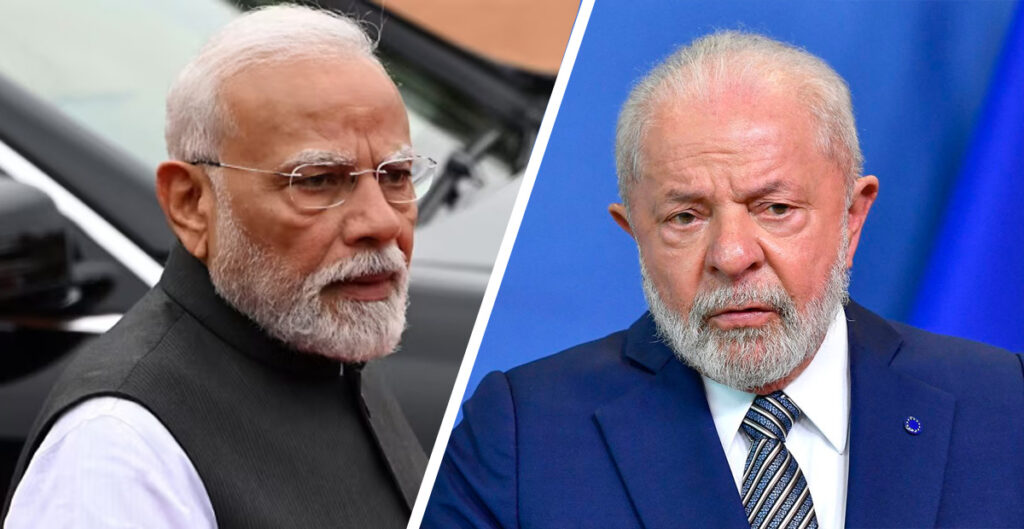
The renewed push for greater cooperation was discussed during a phone call between Prime Minister Narendra Modi and Brazilian President Luiz Inácio Lula da Silva on Thursday. Both reaffirmed commitment to expanding trade, technology and strategic engagement. The talks reviewed existing bilateral frameworks and explored new areas for integration.
Focus On Trade, Digital Payments
A key outcome of the conversation was the agreement to broaden the scope of the MERCOSUR-India Preferential Trade Agreement. It’s aimed at unlocking more sectors for tariff concessions and easing access to each other’s markets.
The leaders also exchanged information about their national instant payment systems—India’s Unified Payments Interface (UPI) and Brazil’s PIX—as both countries examine avenues for eventual cross-border interoperability.
This aligns with broader BRICS efforts to build alternatives to Western-dominated financial systems, especially in light of U.S. tariff measures targeting key economies in the Global South.
Lula Visit Likely Next Year
President Lula is expected to visit India in 2026 as a state guest. The trip is likely to coincide with India’s hosting of BRICS Summit. Vice President Geraldo Alckmin will visit India this October, accompanied by a delegation of ministers and entrepreneurs under the India-Brazil Trade Monitoring Mechanism.
This visit will focus on deepening cooperation in defence, trade, energy, health, digital inclusion and critical minerals.
Closer BRICS Coordination
The backdrop to this growing India-Brazil alignment is the broader geopolitical recalibration of BRICS. With the U.S. escalating tariff actions against not just China but also India and Brazil, the bloc is accelerating plans to trade in local currencies, boost the role of the New Development Bank and develop alternatives to the SWIFT financial messaging system, say analysts.
According to Prof. Rajan Kumar, School of International Studies: “At the moment, India will seek to negotiate hard with the U.S. for reasonable tariffs. However, inability to seek concessions may push it to search for alternative trading mechanisms with BRICS countries.”
U.S. trade pressure, particularly under the current administration, has only solidified BRICS’ internal cohesion and galvanized efforts to reshape global economic governance. According to political analyst Angelo Giuliano, the Global South is “actively resisting unilateral pressure” and is now coalescing around the idea of a multipolar world order.
Business-to-Business Bridges Being Built
This week, more than 120 Indian and Brazilian business leaders met in Mumbai under the Brazil-India LIDE Forum, reinforcing private sector interest in technology, infrastructure, energy, mining, pharmaceuticals and aviation.
João Doria, former Governor of São Paulo who is now leading the LIDE initiative, stressed the importance of “building practical bridges” between the two economies. “India represents one of the most promising new markets for Brazilian industries. And this is the right moment to elevate our commercial relationship,” he said.
Towards A Resilient Trade Agenda
India and Brazil’s experiences with U.S. trade measures have only added urgency to the push for more resilient and sovereign economic frameworks. While Brazil remains open to negotiating a separate trade deal with Washington, President Lula has been vocal in defending Brazil’s judicial independence and rejecting external interference—especially in relation to U.S. criticism of domestic political matters.
Meanwhile, India has taken a more cautious diplomatic posture, focusing on strengthening ties with like-minded Global South partners while expanding trade and technology linkages.
‘Trump’s Threats On Russian Oil Are A Cover For Other Demands’
Here’s a disclaimer to the view in many quarters that Donald Trump is roiling the international oil markets by threatening penalties on countries buying sanctioned Russian oil:
Energy specialist Amit Bhandari of Gateway House in Mumbai says “If Russian oil exports were to suddenly stop or reduced massively, we would immediately get to see it in crisis. That is not happening.
“What these sanctions really meant was that, instead of, you know, suppliers supplying to customer B, the pockets shifted a little bit but the flows are pretty much the same. So, I mean, you know, whenever we hear about sanctions, it is more of the same. I would say. So there is no way you can stop the flow of Russian oil.”
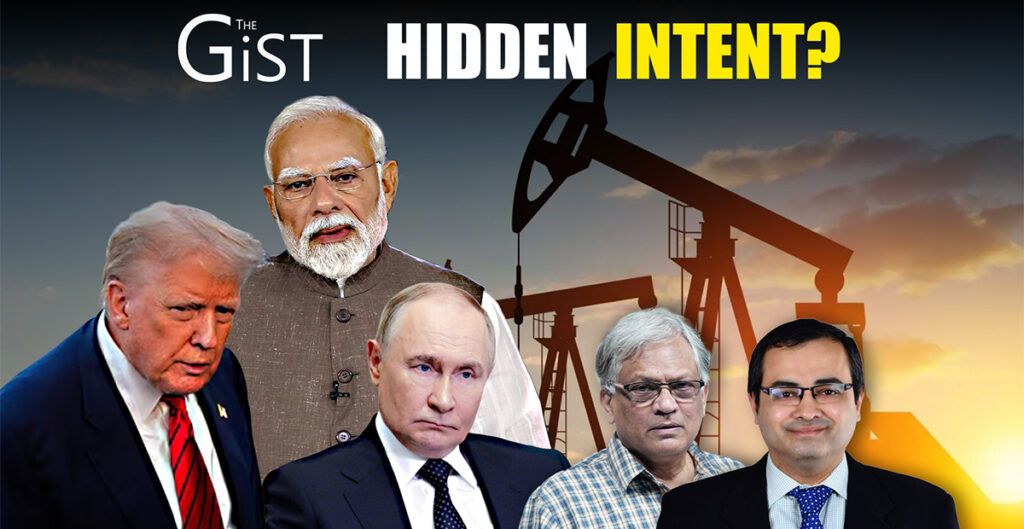
Bhandari was a guest on The Gist, analysing the oil markets in the context of Trump’s threats. If the export of Russian oil stops, he said, the price per barrel could rise to levels that would be catastrophic for the world economy and also the US.
“When the price of oil goes up, it goes up for everyone. It is not that American consumers will pay less because oil is produced in America. It is a market driven price.”
In Bhandari’s view, Trump’s threats are intended to get India to concede ground elsewhere in the trade negotiations. India’s current oil consumption is around 5 million barrels per day, which is expected to rise to 12 million barrels, and since much of it is imported it is a major weakness. But there’s enough oil out there to ensure steady supply.
India’s other weakness is seeking to reduce the dependence on oil and turning to electric vehicles, where the dependence is on one country: China, for its rare earth ring magnets and so on. China has weaponised rare earths in the past, notably against Japan, and by all accounts it is doing the same vis a vis India.
Tune in for more in this conversation with Amit Bhandari of Gateway House.
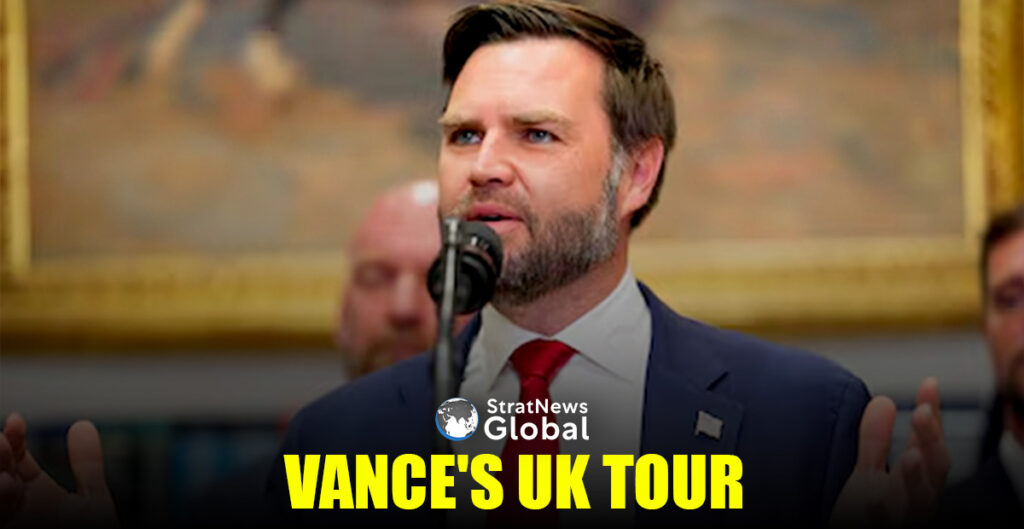
US VP Vance Begins UK Visit Amid Heightened Transatlantic Tensions
U.S. Vice President JD Vance begins his UK visit on Friday with a meeting with British Foreign Secretary David Lammy, drawing renewed attention to his sharp criticism of Britain and its ruling Labour Party.
Vance, his wife, Usha, and their three young children are expected to land in London at the start of a trip that includes staying with Lammy at Chevening, the country residence used by the foreign minister.
They will later stay in the Cotswolds, a picturesque area of English countryside and a popular retreat for wealthy and influential figures, from footballers and film stars to media and political figures.
Tensions Shape Vance’s Visit
The visit to the United Kingdom comes amid heightened transatlantic tensions, domestic political shifts in both countries and increased attention on Vance’s foreign policy views as he emerges as a key figure in President Donald Trump’s administration.
A source familiar with the planning described the trip as a working visit that will include several official engagements, meetings and visits to cultural sites. Vance is also expected to meet with U.S. troops.
Vance has championed an America First foreign policy and once said last year’s election victory for the centre-left Labour Party meant Britain was “maybe” the first “truly Islamist” country with a nuclear weapon. He also attacked the United Kingdom for undermining freedom of speech and placing the “basic liberties of religious Britons in the crosshairs.”
Lammy once called Trump a “far right extremist” and a “neo-Nazi” but since coming to power, has brushed off his remarks as “old news.”
Despite their differences, the pair has developed a warm friendship, bonding over their difficult childhoods and shared Christian faith, according to two officials familiar with the relationship.
Lammy attended Mass at the vice president’s Washington residence during a visit in March, and the two leaders met again in Rome in May for Pope Leo XIV’s inaugural Mass, the officials said.
Meeting Lacks Formal Agenda
The bilateral meeting on Friday lacks a formal agenda, officials said, but is likely to touch on the Ukraine and Gaza crises, along with trade issues.
The United Kingdom has been pushing Trump to support Ukraine in its war with Russia and to accelerate efforts to bring the humanitarian crisis in Gaza to an end. But Lammy is unlikely to press aggressively, said Bronwen Maddox, a director at the think tank Chatham House.
“It’s a chance to get a UK perspective in there, but they’re not looking for conflict,” Maddox said, adding that British officials are content with the trade deal they struck with Trump.
“I don’t mean this in any cynical way, but the UK is glad of relationships where it can get them with the Trump administration,” she added.
Vance’s visit comes shortly after Trump travelled to Scotland for a private visit that included meetings with British Prime Minister Keir Starmer and European Commission President Ursula von der Leyen, who struck a framework trade agreement with the U.S. imposing a 15% import tariff on most European Union goods.
Trump is also scheduled for a full state visit to the United Kingdom in September, making him the first elected political leader in modern times to be hosted for two state visits by a British monarch.
Vance’s winter vacation earlier this year in Vermont was disturbed by throngs of protestors angered by the administration’s anti-immigration policies and handling of the Ukraine crisis.
A coalition of trade unions, pro-Palestinian demonstrators and climate activists is reportedly warning that Vance will face similar backlash in Britain in the coming days.
(With inputs from Reuters)
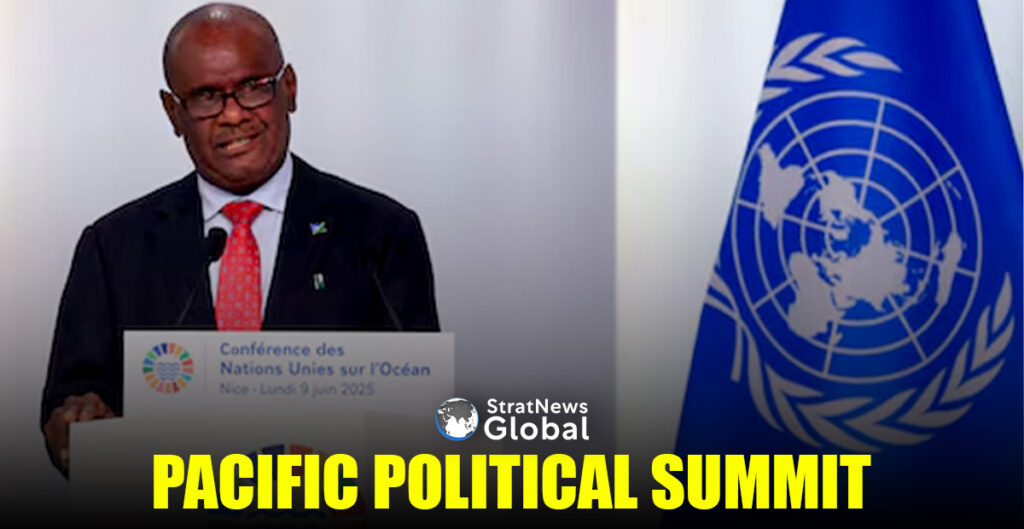
Solomon Islands Bars US, China, Taiwan From Key Pacific Political Summit
Solomon Islands Prime Minister Jeremiah Manele announced that 21 donor nations, including the United States and China, will be excluded from the top regional political summit, following Beijing’s push to bar Taiwan.
China’s biggest security ally in the Pacific Islands, the Solomon Islands, is hosting the annual meeting of the 18-member bloc’s forum in September.
Three island states have diplomatic ties with Taiwan and not China, and they have expressed concern that Taiwanese officials would be blocked from entering the country.
Diplomatic Shift
Solomon Islands switched ties from Taiwan to China in 2019 and removed Taiwan from a list of countries eligible for concessional entry in April.
Beijing, which has deepened its ties in the Pacific, claims Taiwan as its own territory.
Manele told the Solomon Islands parliament on Wednesday his cabinet had decided no dialogue partners would be invited to this year’s event, because a review of each country’s relationship with the Pacific had not been completed.
He said he had informed the forum’s 18 leaders of the decision this week.
The World Bank, the Asia Development Bank and civil society groups would attend, he added.
Opposition party politician Peter Kenilorea Jr, chairman of the parliament’s foreign relations committee, said the decision was “a massive missed opportunity” for Pacific Island countries to meet global donors.
“We know this issue is all about China and Taiwan,” he told parliament.
After forum leaders were told of the decision, Marshall Islands President Hilda Heine criticised interference in the forum’s affairs in a speech to the Taiwan ally’s parliament.
Chinese Interference
China had “interfered” at last year’s meeting in Tonga to change the language of the leaders’ communique, Heine said. References to Taiwan were removed after Chinese diplomats complained.
The Pacific Islands are among the world’s most aid-reliant regions, and on the frontline of rising sea levels.
The region has also been a focus of increasing security competition between the United States and China.
While U.S. allies Australia and New Zealand are the largest forum members, neither Beijing nor Washington are part of the group.
Kenilorea Jr said he feared that China, which has a strong presence in the Solomon Islands, would hold bilateral meetings with Pacific leaders on the margins of the forum regardless.
“This could be seen by some PIF leaders as a betrayal of the collective and could risk an even bigger rift of the group,” he said in comments to Reuters.
China’s embassy did not respond to a request for comment.
The forum’s foreign ministers will meet in Fiji next week.
(With inputs from Reuters)
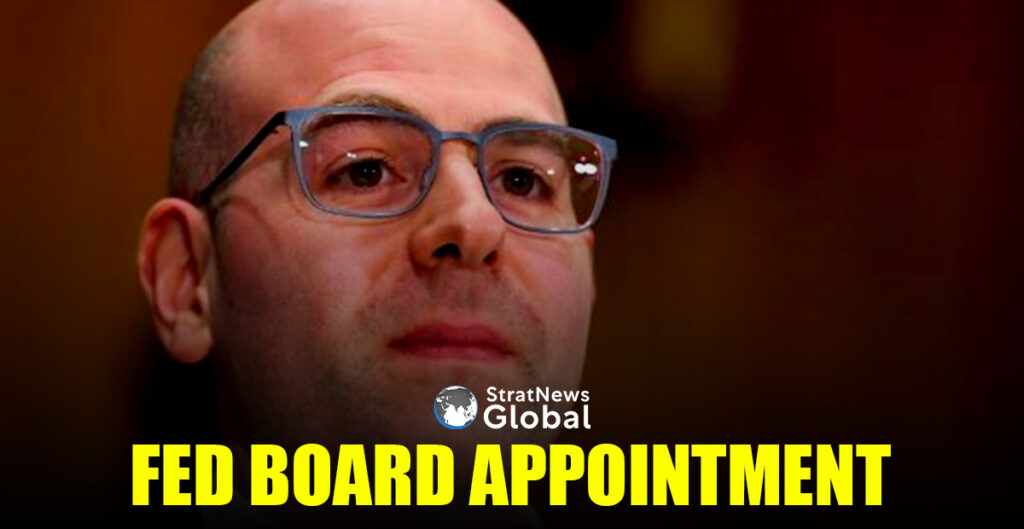
Trump Nominates Stephen Miran For Vacant Fed Board Seat
U.S. President Donald Trump on Thursday announced his plan to nominate Council of Economic Advisers Chairman Stephen Miran to fill the remaining months of a newly vacant position on the Federal Reserve. The White House is also continuing its search for a permanent board member and a new Fed chair.
Miran, who has called for a complete overhaul of the Fed’s governance, will take over from Fed Governor Adriana Kugler following her surprise resignation last week, as she returns to her tenured professorship at Georgetown University.
The term expires January 31, 2026 and is subject to approval by the Senate.
Trump said the White House continues to search for someone to serve in the 14-year Fed Board seat that opens February 1. Trump is also weighing options for a successor to Fed Chair Jerome Powell, whose term ends May 15, 2026.
Trump’s Clash With Fed Policymakers
Trump has unsuccessfully pressured Fed policymakers — who include Powell, his six fellow Board members and the 12 Fed bank presidents – to lower interest rates.
Appointing Miran to the central bank, even in a placeholder role, gives the president a potentially more direct route to pursue his desire for easier monetary policy and sway over the world’s most influential central bank.
“Near term, an interim Fed governor Miran gives Trump the best of both worlds: immediate policy influence without surrendering Fed Chair optionality and leverage,” LHMeyer analyst Derek Tang wrote. “Disruption from within is a bonus.”
Miran, in a paper he co-authored last year for the Manhattan Institute, laid out a case for increasing presidential control of the Fed Board, including by shortening their terms. He also wants to end the “revolving door” between the executive branch and the Fed, and nationalize the Fed’s 12 regional banks.
It is unclear how much time he would have at the Fed to try to deploy such far-reaching reforms, most of which would require Congressional action, or even to vote on interest rates.
Tough Questions
All Fed nominees require Senate confirmation, a process that includes a hearing before the Senate Banking Committee, a vote from that panel advancing the nomination and a series of floor votes before the full Senate, where Democrats have been slowing the pace of approval for Trump appointments.
“I look forward to quickly considering his nomination in the Senate Banking Committee and hearing more about his plans to increase transparency and accountability at the Federal Reserve to ensure the agency prioritizes its mandate and avoids politics,” Senate Banking Committee Chairman Tim Scott said.
The panel’s top-ranking Democrat Elizabeth Warren said she would have “tough questions for him during his confirmation hearing about whether he’d serve the American people as an independent voice at the Fed or merely serve Donald Trump.”
The Senate is not due to reconvene until September 2, at which point Congress will also be turning to the pressing challenge of funding the government past the end of the month or triggering a partial federal agency shutdown.
There are just four policy-setting meetings, including one on September 16-17, before the end of what would be Miran’s term.
Fed policymakers kept the policy rate in its current 4.25%-4.50% range at their July meeting, with Powell citing somewhat elevated inflation and the concern that Trump’s tariffs could keep it that way as reasons to keep policy restrictive.
After a government jobs report released Friday showed far fewer job gains in recent months than earlier estimated, sentiment within the central bank may already be moving toward a rate cut as early as the Fed’s next meeting.
Several central bankers this month have raised concerns about labor market weakness, and at least a couple have expressed renewed confidence that tariffs may not push up on inflation as much as earlier thought. Those views echo the arguments made by two Fed governors — both Trump appointees — who last month dissented on the decision to leave policy on hold.
Miran earlier on Thursday praised one of those dissenters, Fed Governor Christopher Waller, for avoiding “tariff derangement syndrome,” a phrase meant to denigrate concerns about the economic effects of the Trump administration’s sharply higher import levies.
Waller is said to be the preferred candidate among Trump’s team to succeed Powell as Fed chair.
(With inputs from Reuters)
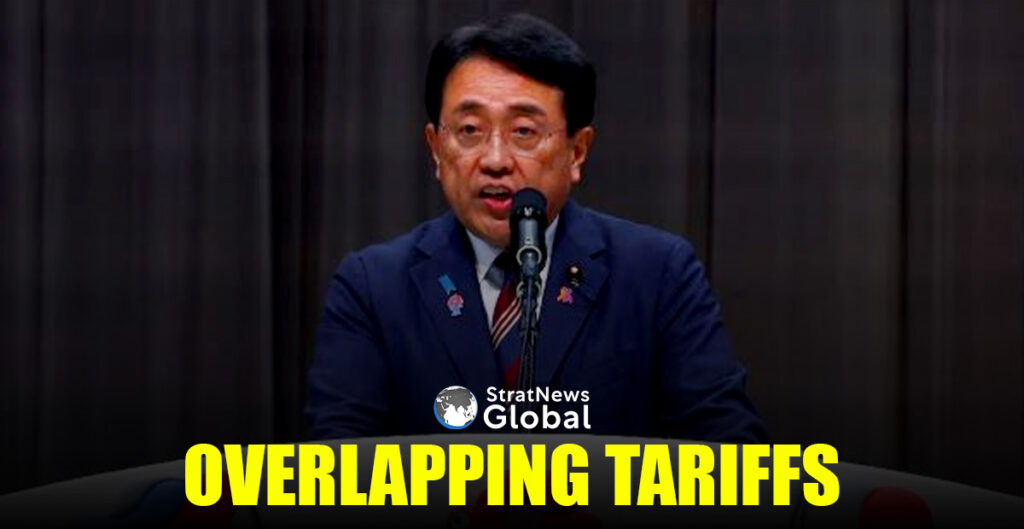
U.S. Vows to Resolve Double Tariff Issue, Japan Says
The U.S. government on Thursday pledged to revise a presidential executive order to eliminate overlapping tariffs on Japanese products, Japan’s trade negotiator said. The statement came after talks in Washington aimed at correcting what he described as a “regrettable” oversight.
In those discussions, Ryosei Akazawa urged U.S. Commerce Secretary Howard Lutnick and Treasury Secretary Scott Bessent to ensure that a 15% levy agreed last month on Japanese imports was not stacked on goods, such as beef, that are subject to higher tariffs.
They explained they would amend a July 31 presidential order, which included a no-stacking provision for the European Union but not Japan, and also refund excess duties collected, Akazawa said.
Lutnick and Bessent also said Trump would lower auto tariffs to 15% from 27.5% in a separate executive order, in line with the trade agreement reached by the two countries last month.
“Frankly, I did not expect to be visiting the U.S. again so soon after my last trip,” said Akazawa, who has travelled to Washington nine times since April.
The U.S. Treasury and Commerce Department did not immediately respond to requests for comment on the meetings with Akazawa.
Clarity on the tariff changes, along with strong corporate earnings, pushed Japan’s broad Topix index above the key 3,000-point mark for the first time.
Reports about the amendment “calmed fears over U.S. tariffs and helped drive the market higher,” said Shoji Hirakawa, chief global strategist at Tokai Tokyo Intelligence Lab.
Tariff Confusion
Japan is among eight major U.S. trading partners to have reached a trade framework deal, and the 15% rate for many of its goods is on the low side.
The U.S. on August 7 began collecting higher tariffs on dozens of countries’ imports, including a 50% levy on imports from Brazil, a 39% rate for imports from Switzerland and a 35% rate for Canadian imports.
Much of what Akazawa negotiated in July during his previous visit to Washington, including directly with Trump, was never put into a signed document. That created confusion in Tokyo and fears that some Japanese companies could face higher tariffs than anticipated.
Prime Minister Shigeru Ishiba has been criticised by his opponents for not crafting a joint statement with Trump on the trade deal. Ishiba, who is under pressure from some in his party to step down after last month’s upper house election loss, said he chose not to do so to speed the agreement’s implementation.
To clinch the trade deal, the Japanese premier agreed to raise investment in the U.S. by as much as $550 billion through government-backed loans and guarantees for projects that benefited both countries.
Trump later compared that to a baseball player’s signing bonus that Washington could invest as it liked.
Akazawa declined to say whether he discussed the investment pledge with Lutnick and Bessent.
Japan “will continue to maintain close communication with the U.S. side at various levels,” the government said in a statement.
(With inputs from Reuters)
China Blames Philippines For Provoking Tensions Over Taiwan
On Friday, China accused the Philippines of “playing with fire,” responding to President Ferdinand Marcos Jr.’s remark that the country would take part in any clash between China and the United States concerning Taiwan.
It was responding to remarks by Marcos during a state visit to India that the Philippines’ closeness to Taiwan and the large Filipino community there would make involvement necessary in such a conflict.
The Chinese foreign ministry urged the Philippines to uphold the one-China principle and warned that such comments hamper regional stability and infringe on China’s core interests.
“Geographical proximity’ and ‘large overseas populations’ are not excuses for a country to interfere in the internal affairs of others,” China’s foreign ministry said in a statement.
“We urge the Philippines to earnestly adhere to the one-China principle … and refrain from playing with fire on issues concerning China’s core interests.”
Beijing-Manila Tensions
Marcos’ remarks came amid heightened tension between Beijing and Manila over territorial disputes in the busy waterway of the South China Sea.
Both countries have traded accusations of aggressive manoeuvres and sovereignty violations there, prompting the United States to reaffirm its commitment to defend the Philippines.
Beijing views democratically-governed Taiwan as its territory, a claim Taipei rejects.
The Philippine embassy in Beijing did not immediately respond to a request for comment.
On Wednesday, Marcos told Indian media outlet Firstpost, “If there is an all-out war, then we will be drawn into it.”
He added, “There are many, many Filipino nationals in Taiwan and that would be immediately a humanitarian problem.
“We will have to go in there, find a way to go in there, and find a way to bring our people home.”
China said such arguments “not only violate international law and the ASEAN charter, but also undermine regional peace and stability and the fundamental interests of (the Philippines’) own people.”
(With inputs from Reuters)
France’s Largest Wildfire In Decades Now Under Control
Local authorities said on Thursday that the large wildfire which swept across 16,000 hectares (39,537 acres) of forests and villages in southern France since Tuesday has now been brought under control.
Firefighters will remain deployed in the area in the coming days to secure the site and prevent flare-ups, they added in a statement.
Residents affected by the blaze are still barred from returning to their homes without official clearance, as many roads remain closed and potentially hazardous due to uninspected damage and fallen power lines.
1 Killed, 18 Injured
France’s biggest wildfire in nearly eight decades has killed a woman whom officials said had disregarded evacuation orders, made 18 injuries, including 16 firefighters. The blaze destroyed 36 houses, damaged 20 others, and forced some 2,000 residents and holidaymakers to flee the area.
At the height of the crisis, approximately 5,000 households lost power, and as of Thursday evening, around 1,500 homes were still without electricity, local authorities said.
‘It’s The Apocalypse’
“We don’t have water, internet and electricity anymore. We have nothing. It’s the apocalypse,” said resident and farmer Alain Reneau, who lives in Saint-Laurent-de-la-Cabrerisse, a village hit hard by the fire.
“We saved the house, but we had to fight the whole night, for two days.”
Plumes of smoke rose over the forest area in the Aude region. Drone footage showed swathes of charred earth after the fire swept across an area one-and-a-half times the size of Paris.
Rapid Spread
The blaze, not far from the border with Spain and the Mediterranean Sea, has spread unusually rapidly, fanned by strong winds and very dry vegetation, following months of drought in the area.
“The fire’s progression is slowing down, but we are still dealing with an active fire,” the region’s deputy prefect, Remi Recio, told reporters.
“Compared to yesterday, the progression has significantly decreased because the weather conditions have changed, notably the wind direction,” Le Monde newspaper quoted Recio as saying.
Close to 2,000 firefighters were on the ground to fight any flare-ups. The territory the wildfire has gone through around 16,000 hectares, local authorities said in their last update on Thursday evening, while French media reported the affected area to be around 17,000 hectares (40,000 acres).
“The battle isn’t over yet, the fire could reignite with greater force,” Prefect Christian Pouget said earlier.
‘Consequence Of Climate Change’
Environment Minister Agnes Pannier-Runacher said the fire was the biggest one France has experienced since 1949. “This is a wildfire that is a consequence of climate change, of drought in this region,” she told France Info radio.
An investigation is under way to identify the cause of the blaze.
“Never in my life (have I seen) fires like this,” 77-year-old retiree Simon Gomez said in Saint-Laurent-de-la-Cabrerisse.
Scientists say the Mediterranean region’s hotter, drier summers put it at high risk of wildfires.
France’s weather office has warned of a new heatwave starting in other parts of southern France on Friday and due to last several days.
‘We’re At War’
Local winemakers and mayors are also blaming the loss of vineyards for the fire’s rapid spread.
“We’re at war, but also, we will win the war,” said Xavier Guille, a local vinyard owner who was helping firefighters battle the blaze.
Guille lost woodland to the fire but his vineyard was unharmed. “My in-laws lost their home in Saint-Laurent-de-la-Cabrerisse, it was one of the first homes that burned.”
(With inputs from Reuters)