

Support us by contributing to StratNewsGlobal on the following UPI ID
ultramodern@hdfcbank

Strategic affairs is our game, South Asia and beyond our playground. Put together by an experienced team led by Nitin A. Gokhale. Our focus is on strategic affairs, foreign policy and international relations, with higher quality reportage, analysis and commentary with new tie-ups across the South Asian region.
You can support our endeavours. Visit us at www.stratnewsglobal.com and follow us on YouTube, Twitter, Facebook and Instagram.
र 500 per month
र 1000 per month
र 5000 per year
र 10000 per year
Donate an amount of your choice
र 500 per month
Donate र 500 per month

र 1000 per month
Donate र 1000 per month
र 5000 per year
Donate र 5,000 per year
र 10000 per year
Donate र 10,000 per year
Donate an amount of your choice
Donate an amount of your choice
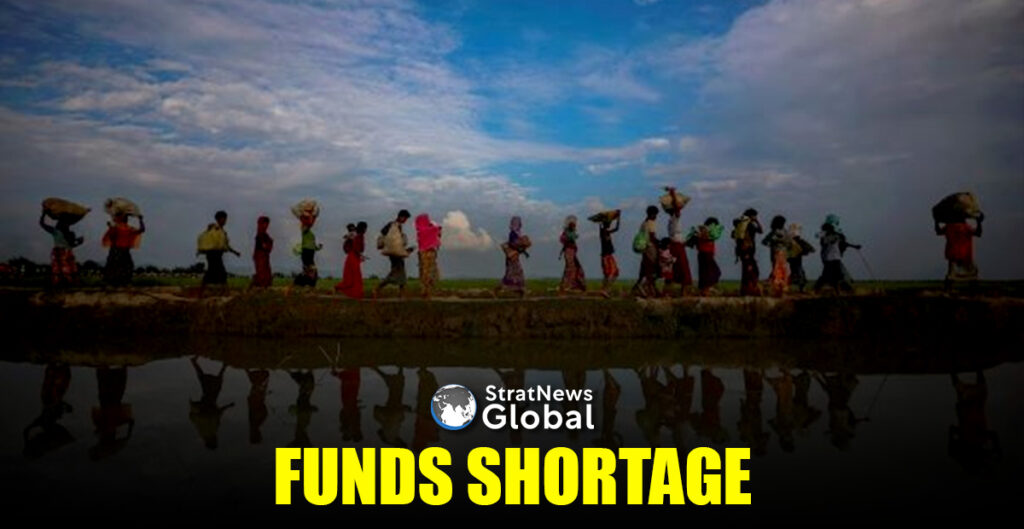
UN Probe Into Rohingya Atrocities Threatened By Funding Cuts
The head of a United Nations investigation warned that donor shortfalls and internal U.N. cost-cutting, amounting to millions of dollars, risk obstructing evidence collection and weakening efforts to pursue justice for the Rohingya who fled Myanmar.
Nicholas Koumjian, head of The Independent Investigative Mechanism for Myanmar, said he fears that the scale-back of its work will hurt efforts to bring perpetrators to justice.
“It will affect the ability to convict because we lose capacity,” he said in Geneva.
“That would send a message of impunity. It says to perpetrators: don’t worry about being charged.”
A million Rohingya, a Muslim minority group, fled a Myanmar military offensive in August 2017 – a campaign seen by prosecutors as a textbook example of ethnic cleansing.
The Myanmar military says the operation was a legitimate counter-terrorism campaign in response to attacks by Muslim terrorists, not a planned programme of ethnic cleansing.
Funds Shortage May Stall Investigation
The IIMM, set up by the U.N. Human Rights Council in 2018 to analyse evidence of serious violations of international law, is assisting jurisdictions investigating the alleged persecution of the Rohingya, including the International Criminal Court.
Unless more funding is received by year-end, the IIMM will have to stop both an open-source project and one investigating sexual violence and crimes against children, Koumjian said.
The shortages come amid a U.N. liquidity crisis, meaning only 73% of the IIMM’s $15 million annual budget is available.
It also faces a nearly $9 million shortfall for the next two years in voluntary grants from donors which have previously included Britain, Canada and the EU, according to a confidential document. Asked to comment, an IIMM spokesperson said it now estimates that gap at $6.2 million.
“It’s a severe strain on us to try to meet the budget with these limitations,” said Koumjian, a former prosecutor from the U.S. who has worked on Bosnia and Sierra Leone war crimes cases.
He said the Trump administration is ending two of its three grants and that other donors had indicated funding lapses from year-end, without giving details.
The U.S. State Department did not respond to a request for comment. Washington said last year it had provided $3 million to gather and analyse open-source evidence of the most serious violations of international law in Myanmar since 2011 and for witness protection, a government website showed.
Witnesses Face Danger
The IIMM mandate includes both researching alleged crimes against the Rohingya as well as violations in Myanmar since the 2021 military coup. It has submitted evidence to the ICC, the International Court of Justice and Argentina and Britain.
Donor cuts mean protection and counseling services for witnesses have already stopped, Koumjian said.
“The consequence of that could be very great, because sometimes we provide assistance for people in life-threatening situations,” he said.
This month, the IIMM said it has found evidence of systematic torture by Myanmar security forces.
Myanmar’s military government said it was conducting “security measures” lawfully and did not illegally arrest, torture or execute innocent civilians, blaming “terrorists”.
Koumjian’s teams helped scan hundreds of thousands of social media posts from the 2017 Rohingya campaign for hate speech and found 43 accounts linked to the military, he said, showing “the state was fomenting hatred.”
A Myanmar military spokesperson refused to comment on the matter.
(With inputs from Reuters)
Lebanon Starts Disarmament Of Palestinian Factions In Refugee Camps
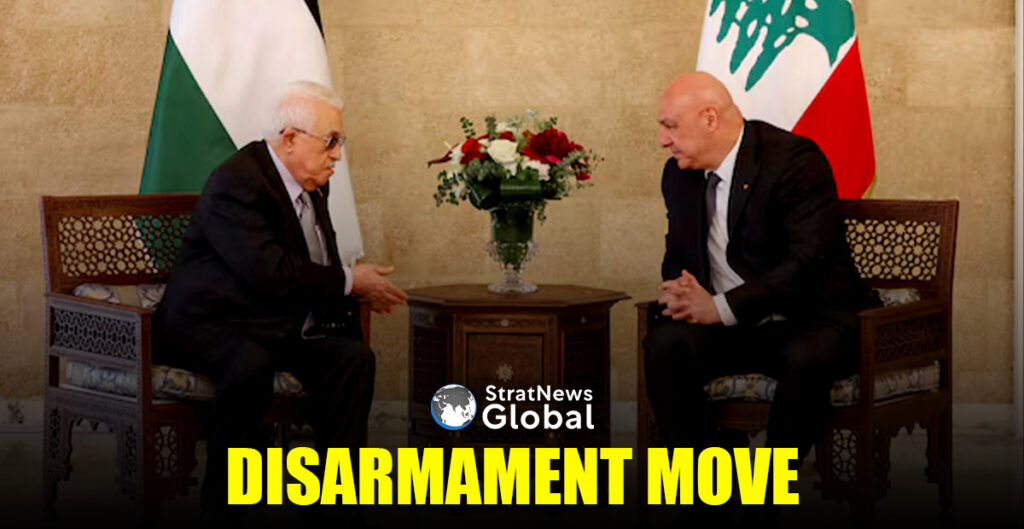
Lebanon announced on Thursday that it was initiating the planned disarmament process of Palestinian factions within refugee camps, describing the move as part of a broader effort aimed at consolidating a state monopoly over the possession and use of arms.
The planned disarmament was starting with the handover of weapons on Thursday from the Burj al-Barajneh camp in Beirut to the Lebanese army, the Lebanese prime minister’s office said.
Beginning Of Broader Effort
The move is meant to mark the start of a broader disarmament effort, with additional deliveries expected in the coming weeks from Burj al-Barajneh and other camps across the country, the office said in a statement.
An official from Fatah told Reuters that the only weapons being handed over so far were illegal arms that entered the camp 24 hours ago. TV footage showed army vehicles entering the camp ahead of a handover. Reuters could not independently verify what arms were being handed over.
As part of a truce with Israel struck in November and backed by the United States, Lebanon committed to restricting arms to six specific state security forces, in a challenge to the Iran-backed Shi’ite Muslim group Hezbollah.
The cabinet has tasked the army with drawing up a plan to establish a state monopoly on arms by the end of the year.
Sovereignty Through Disarmament
The initiative to disarm Palestinian factions is part of an agreement reached during a May 21 summit between Lebanese President Joseph Aoun and Palestinian President Mahmoud Abbas, which affirmed Lebanon’s sovereignty and the principle that only the state should bear arms, the statement from the prime minister’s office said.
Two days later, Lebanese and Palestinian officials agreed on a timeline and mechanism for disarmament, the statement said.
Palestinian factions have long operated with relative autonomy in several of Lebanon’s 12 refugee camps, which fall largely outside the jurisdiction of the Lebanese state. The latest handover represents the most serious bid in years to address weapons held inside the camps.
(With inputs from Reuters)
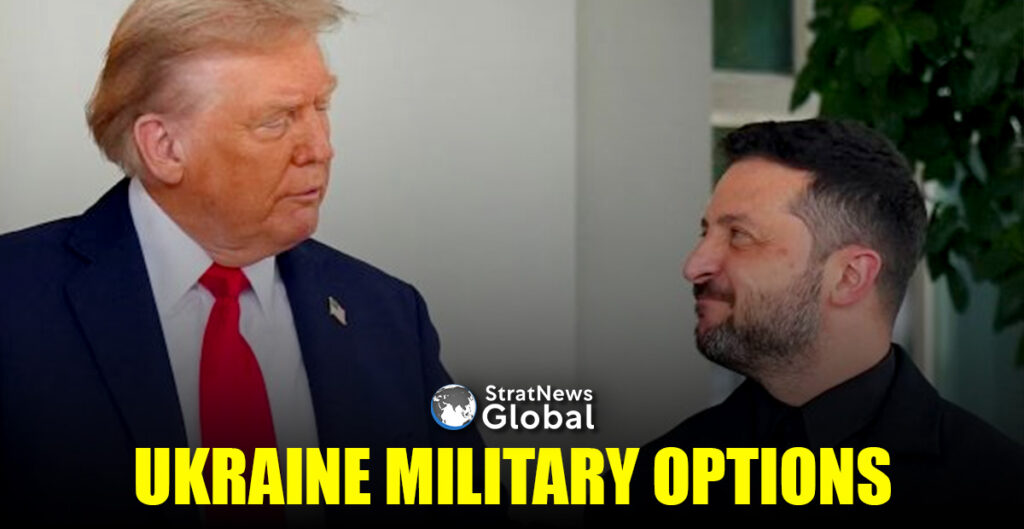
US And European Allies Finalize Ukraine Military Options For Presenting To Security Advisers
Military leaders from the United States and several European nations have drawn up a set of military options regarding Ukraine, which are now set to be presented to their respective national security advisers, the U.S. military announced on Thursday.
It was previously reported that U.S. and European military planners have begun exploring post-conflict security guarantees for Ukraine, following President Donald Trump’s pledge to help protect the country under any deal to end Russia’s war in Ukraine.
“These options will be presented to each nation’s respective national security advisers for appropriate consideration in ongoing diplomatic efforts,” a U.S. military statement said.
The meetings between the chiefs of defence for the United States, Finland, France, Germany, Italy, United Kingdom and Ukraine took place in Washington, D.C., between Tuesday and Thursday.
Ukraine and its European allies have been buoyed by Trump’s promise during a summit on Monday of security guarantees for Kyiv, but many questions remain unanswered.
Officials have cautioned that it would take time for U.S. and European planners to determine what would be both militarily feasible and acceptable to the Kremlin.
One option was sending European forces to Ukraine but putting the United States in charge of their command and control, sources said.
Russia’s Foreign Ministry has ruled out the deployment of troops from NATO countries to help secure a peace deal.
Troop Deployment
Trump has publicly ruled out deploying U.S. troops in Ukraine but on Tuesday appeared to leave the door open to other U.S. military involvement.
U.S. air support could come in a variety of ways, including providing more air defence systems to Ukraine and enforcing a no-fly zone with U.S. fighter jets.
French President Emmanuel Macron and British Prime Minister Keir Starmer have both spoken in favour of troop deployments in a post-war settlement as part of a coalition of the willing, with German Chancellor Friedrich Merz also signaling openness to his country’s participation
The head of Germany’s soldiers’ union said on Thursday that European NATO leaders must not be naive when discussing a Ukraine peace force but face up to the reality that they would need to deploy tens of thousands of troops to the country for the long term.
Trump has pressed for a quick end to Europe’s deadliest war in 80 years, and Kyiv and its allies have worried he could seek to force an agreement on Russia’s terms after the president last week rolled out the red carpet for Russian leader Vladimir Putin.
Russia says it is engaged in a “special military operation” in Ukraine to protect its national security, claiming NATO’s eastward expansion and Western military support for Ukraine pose existential threats. Kyiv and its Western allies say the invasion is an imperial-style land grab.
Despite Trump’s push to end the war, Russia attacked a gas compressor station in eastern Ukraine that is important for getting gas into storage facilities for the winter heating season.
(With inputs from Reuters)
Young Bhutan Rethinks Its Place in the World
For years, Bhutan has been known as a quiet Himalayan kingdom that kept the outside world at arm’s length and leaned heavily on India for support. But a new study suggests that Bhutan’s younger generation is looking at the world differently.
The report, Young Bhutan and the World: A Preliminary Survey of Perceptions on Foreign Policy by Aditya Gowdara Shivamurthy of the Observer Research Foundation, finds that while India still holds a special place in Bhutan, young Bhutanese want their country to have more choices and more partners.
India is still trusted the most. Many see India as the country’s “first responder” in times of crisis. India has built Bhutan’s roads, schools, and hydropower projects, and even shaped parts of its democracy. “India’s influence in Bhutan is neither lost nor completely unchallenged; the reality is more complex,” Shivamurthy notes.
The youth of Bhutan, who see India as Bhutan’s closest partner, also worry about the risk of being too dependent on it. Memories of India’s sudden kerosene subsidy cut in 2013 still linger.
Today, Bhutan is facing what its PM Tshering Tobgay describes as an ‘existential threat’ and ‘national crisis’ as many young Bhutanese are migrating abroad. Thousands of Bhutanese students now study in Australia, and have created a large Bhutanese community in cities like Perth.
Other countries like Japan are respected for its long-standing development aid, while the United States appeals through culture and education, even if official ties remain weak. South Korea has globally attracted teenagers through their K-pop and dramas and Bhutanese teenagers are no different.
Bhutanese youth are more cautious than fearful when it comes to China. With the traditional view of Beijing as a threat because of the border dispute and its takeover of Tibet, few want to study or work in China. However, many see it as an economic opportunity in the future. As Shivamurthy writes, Bhutanese youth are “neither hostile nor hopeful” when it comes to China.
Bhutan is struggling economically, women’s workforce participation has dropped, youth unemployment is high at 28.6%, and one in eight citizens lives in poverty. Nearly 9 percent of the population has already migrated abroad in search of better opportunities.
Besides this, many big changes have taken place in Bhutan. Bhutan became a democracy in 2007. Internet access now reaches nearly 90 percent of the population, and social media is everywhere.
Historian Karma Phuntsho once said Bhutan “has changed much more in the past 50 years than in the 500 years before that.” This rapid transformation is especially evident among the younger generations, who hold evolving views on foreign policy, global affairs, and a broader expectation for the future.
The question now is not whether Bhutan will change, but how. Can it keep its special friendship with India while building new ties with the wider world? We can say that Bhutan’s future may look very different from its past.
Putin Presses Ukraine To Surrender Donbas, Abandon NATO Bid, And Reject Western Troops: Sources
Russian President Vladimir Putin has set conditions requiring Ukraine to relinquish the entire eastern Donbas region, drop its pursuit of NATO membership, adopt a neutral stance, and bar Western forces from its territory, according to three sources familiar with high-level Kremlin discussions.
The Russian president met Donald Trump in Alaska on Friday for the first Russia-U.S. summit in more than four years and spent almost all of their three-hour closed meeting discussing what a compromise on Ukraine might look like, according to the sources who requested anonymity to discuss sensitive matters.
Speaking afterwards beside Trump, Putin said the meeting would hopefully open up the road to peace in Ukraine – but neither leader gave specifics about what they discussed.
In the most detailed Russian-based reporting to date on Putin’s offer at the summit, it was possible to outline the contours of what the Kremlin would like to see in a potential peace deal to end a war that has killed and injured hundreds of thousands of people.
In essence, the Russian sources said, Putin has compromised on territorial demands he laid out in June 2024, which required Kyiv to cede the entirety of the four provinces Moscow claims as part of Russia: Dontesk and Luhansk in eastern Ukraine – which make up the Donbas – plus Kherson and Zaporizhzhia in the south.
Kyiv rejected those terms as tantamount to surrender.
Russia Sticks To Demands
In his new proposal, the Russian president has stuck to his demand that Ukraine completely withdraw from the parts of the Donbas it still controls, according to the three sources. In return, though, Moscow would halt the current front lines in Zaporizhzhia and Kherson, they added.
Russia controls about 88% of the Donbas and 73% of Zaporizhzhia and Kherson, according to U.S. estimates and open-source data.
Moscow is also willing to hand over the small parts of the Kharkiv, Sumy, and Dnipropetrovsk regions of Ukraine it controls as part of a possible deal, the sources said.
Putin is sticking, too, to his previous demands that Ukraine give up its NATO ambitions and for a legally binding pledge from the U.S.-led military alliance that it will not expand further eastwards, as well as for limits on the Ukrainian army and an agreement that no Western troops will be deployed on the ground in Ukraine as part of a peacekeeping force, the sources said.
Yet the two sides remain far apart, more than three years after Putin ordered thousands of Russian troops into Ukraine in a full-scale invasion that followed the annexation of the Crimean peninsula in 2014 and prolonged fighting in the country’s east between Russian-backed separatists and Ukrainian troops.
Ukraine Rejects Idea Of Withdrawing
Ukraine’s foreign ministry had no immediate comment on the proposals.
President Volodymyr Zelenskyy has repeatedly dismissed the idea of withdrawing from internationally recognised Ukrainian land as part of a deal, and has said the industrial Donbas region serves as a fortress holding back Russian advances deeper into Ukraine.
“If we’re talking about simply withdrawing from the east, we cannot do that,” he told reporters in comments released by Kyiv on Thursday. “It is a matter of our country’s survival, involving the strongest defensive lines.”
Joining NATO, meanwhile, is a strategic objective enshrined in the country’s constitution and one which Kyiv sees as its most reliable security guarantee. Zelenskiy said it was not up to Russia to decide on the alliance’s membership.
The White House and NATO didn’t immediately respond to requests for comment on the Russian proposals.
Political scientist Samuel Charap, chair in Russia and Eurasia Policy at RAND, a U.S.-based global policy think-tank, said any requirement for Ukraine to withdraw from the Donbas remained a non-starter for Kyiv, both politically and strategically.
‘Best Chance’
“Openness to ‘peace’ on terms categorically unacceptable to the other side could be more of a performance for Trump than a sign of a true willingness to compromise,” he added. “The only way to test that proposition is to begin a serious process at the working level to hash out those details.”
Russian forces currently control a fifth of Ukraine, an area about the size of the American state of Ohio, according to U.S. estimates and open-source maps.
The three sources close to the Kremlin said the summit in the Alaskan city of Anchorage had ushered in the best chance for peace since the war began because there had been specific discussions about Russia’s terms and Putin had shown a willingness to give ground.
“Putin is ready for peace – for compromise. That is the message that was conveyed to Trump,” one of the people said.
The sources cautioned that it was unclear to Moscow whether Ukraine would be prepared to cede the remains of the Donbas, and that if it did not then the war would continue. Also unclear was whether or not the United States would give any recognition to Russian-held Ukrainian territory, they added.
A fourth source said that though economic issues were secondary for Putin, he understood the economic vulnerability of Russia and the scale of the effort needed to go far further into Ukraine.
Trump: Putin Wants To See It Ended
Trump has said he wants to end the “bloodbath” of the war and be remembered as a “peacemaker president”. He said on Monday he had begun arranging a meeting between the Russian and Ukrainian leaders, to be followed by a trilateral summit with the U.S. president.
“I believe Vladimir Putin wants to see it ended,” Trump said beside Zelenskiy in the Oval office. “I feel confident we are going to get it solved.”
Russian Foreign Minister Sergei Lavrov said on Thursday that Putin was prepared to meet Zelenskiy but that all issues had to be worked through first and there was a question about Zelenskiy’s authority to sign a peace deal.
Putin has repeatedly raised doubts about Zelenskiy’s legitimacy as his term in office was due to expire in May 2024 but the war means no new presidential election has yet been held. Kyiv says Zelenskiy remains the legitimate president.
The leaders of Britain, France and Germany have said they are sceptical that Putin wants to end the war.
Security Guarantees For Ukraine
Trump’s special envoy Steve Witkoff was instrumental in paving the way for the summit, and the latest drive for peace, according to two of the Russian sources.
Witkoff met Putin in the Kremlin on August 6 with Kremlin aide Yuri Ushakov. At the meeting, Putin conveyed clearly to Witkoff that he was ready to compromise and set out the contours of what he could accept for peace, according to two Russian sources.
If Russia and Ukraine could reach an agreement, then there are various options for a formal deal – including a possible three-way Russia-Ukraine-U.S. deal that is recognised by the U.N. Security Council, one of the sources said.
Another option is to go back to the failed 2022 Istanbul agreements, where Russia and Ukraine discussed Ukraine’s permanent neutrality in return for security guarantees from the five permanent members of the U.N. Security Council: Britain, China, France, Russia and the United States, the sources added.
“There are two choices: war or peace, and if there is no peace, then there is more war,” one of the people said.
(With inputs from Reuters)
Jaishankar Meets Putin, Slams U.S. Tariffs, Delhi Summit Set
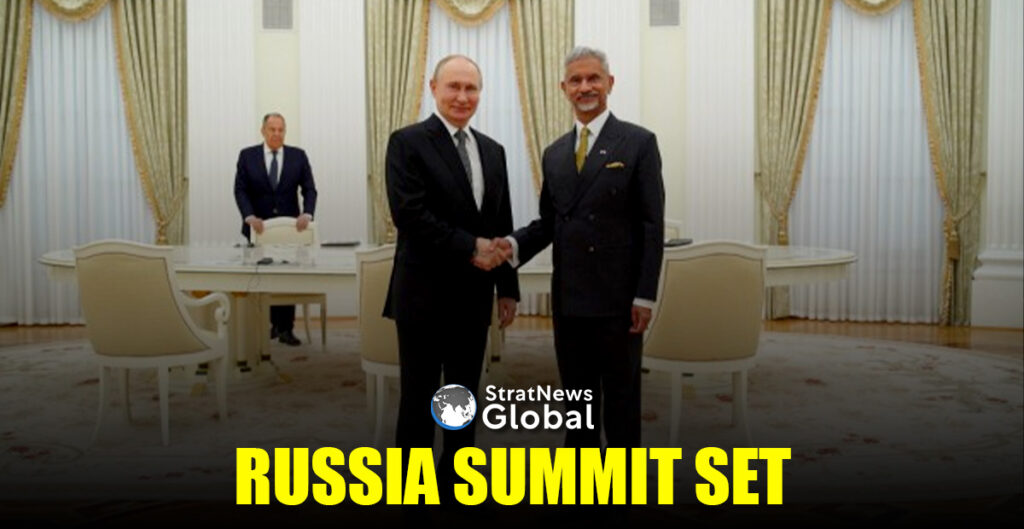
External Affairs Minister S. Jaishankar wrapped up a three-day official visit to Moscow on Thursday, where he co-chaired the 26th session of the India-Russia Inter-Governmental Commission on Trade, Economic, Scientific, Technological and Cultural Cooperation (IRIGC-TEC) and met President Vladimir Putin at the Kremlin.
The visit, held from August 19–21 at the invitation of Russian First Deputy Prime Minister Denis Manturov, also saw Jaishankar address the India-Russia Business Forum and hold wide-ranging talks with Foreign Minister Sergei Lavrov.
Lavrov confirmed that President Putin will travel to India later this year for the Annual Summit with Prime Minister Narendra Modi, with Jaishankar’s meetings helping prepare the agenda for the high-level engagement.
The Moscow visit also closely followed National Security Adviser Ajit Doval’s discussions in the Russian capital earlier this month, signalling back-to-back diplomatic moves to inject momentum into the relationship.
The flurry of engagements came as Washington turned up economic pressure. Just days before Jaishankar’s arrival, U.S. President Donald Trump imposed fresh tariffs on Indian exports—25% on goods and an additional 25% penalty on purchases of Russian oil.
A key outcome of the visit was the signing of terms of reference for negotiations on a Free Trade Agreement (FTA) between India and the Eurasian Economic Union. Jaishankar said the deal could help expand trade in a “balanced and sustainable” way, noting the need to remove non-tariff barriers and regulatory hurdles. He flagged agriculture, pharmaceuticals, and textiles as sectors where India could expand exports to correct the trade imbalance.
Energy cooperation featured prominently, with discussions covering oil, gas, nuclear energy, and joint ventures in Russia’s Far East and Arctic. Jaishankar also highlighted long-term fertiliser supplies and the potential for Indian IT, construction and engineering professionals to address Russia’s labour shortages.
Both sides reviewed plans to expand connectivity through the International North-South Transport Corridor, the Chennai–Vladivostok maritime route, and the Northern Sea Route. “These corridors promise to deepen economic linkages, reduce transit times, and expand trade access across Eurasia and beyond,” Jaishankar said.
On defence, he reaffirmed that military-technical cooperation remained “robust,” citing joint production and technology transfer under India’s ‘Make in India’ initiative. The issue of Indian nationals serving in the Russian Army was also raised, with Jaishankar urging Moscow to expedite pending cases.
The discussions extended to Ukraine, Europe, Iran, West Asia, Afghanistan, and the Indian subcontinent. Lavrov repeated Moscow’s opposition to foreign intervention in Ukraine and claimed Kiev was trying to undermine President Trump’s peace efforts. Jaishankar reiterated India’s call for dialogue and diplomacy to resolve conflicts.
The two sides also reaffirmed their shared commitment to reforming global governance structures, including expansion of the UN Security Council. Cooperation in the G20, BRICS and the Shanghai Cooperation Organisation was described as “deep-rooted and forward-looking.”
Responding to Trump’s new tariff measures, Jaishankar pushed back strongly. “We are not the biggest purchasers of Russian oil—that is China. We are not the biggest purchasers of LNG—that is the European Union. We are not the country which has had the biggest trade surge with Russia after 2022,” he told reporters.
“For years, the U.S. has told us to help stabilise the world energy market, including by buying Russian oil. Now we are being criticised for it? Incidentally, we also buy oil from the U.S., and that amount has increased.”
Jaishankar described India-Russia ties as “among the steadiest of major global relationships since the Second World War,” rooted in geopolitical convergence and popular goodwill. He also laid a wreath at the Tomb of the Unknown Soldier in Moscow in tribute to those who died in the Great Patriotic War.
From trade forums to Kremlin talks, the Moscow visit underscored India’s determination to strengthen economic and strategic space with Russia even as the U.S. attempts to squeeze New Delhi with fresh tariffs.
Ukrainian Man Arrested In Italy Over 2022 Nord Stream Pipeline Attacks
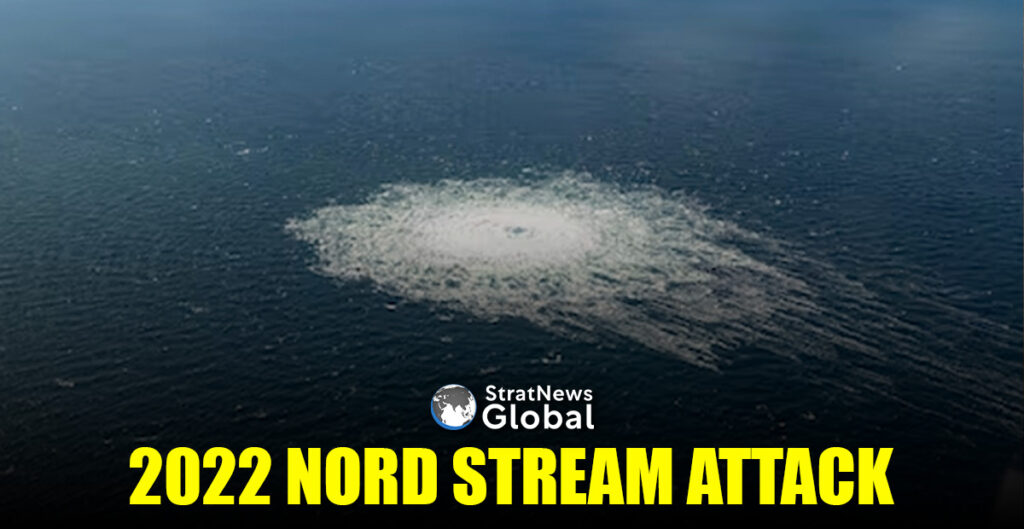
German prosecutors said on Thursday that a Ukrainian man was arrested in Italy on suspicion of coordinating the 2022 Nord Stream pipeline attacks, marking a breakthrough in a case that heightened tensions between Russia and the West.
Seen by both Moscow and the West as an act of sabotage, the explosions severely damaged three pipelines carrying gas from Russia to Europe, marking a major escalation in the Ukraine conflict and squeezing energy supplies on the continent. No one has ever taken responsibility for the blasts.
The arrest comes just as Kyiv is engaged in fraught diplomatic discussions with the United States over how to end the war in Ukraine without giving away major concessions and swathes of its own territory to Russia.
Germany Demands Accountability
“The bombing of the pipelines must be investigated, including through criminal prosecution. Therefore, it is good that we are making progress in this regard,” said German Justice Minister Stefanie Hubig in a statement.
There was no immediate comment from the Ukrainian embassy. Ukraine has previously denied involvement.
The suspect, identified only as Serhii K. under German privacy laws, was part of a group of people who planted devices on the pipelines near the Baltic Sea island of Bornholm in September 2022, a statement from the prosecutor’s office said.
He and his accomplices had set off from Rostock on Germany’s northeastern coast in a sailing yacht to carry out the attack, it said. The vessel had been rented from a German company with the help of forged identity documents via middlemen, it added.
Authorities acted on a European arrest warrant for the suspect, who faces charges of collusion to cause an explosion, anti-constitutional sabotage and destruction of important structures.
Carabinieri officers arrested him overnight in the province of Rimini on Italy’s Adriatic coast, the German prosecutors’ statement said.
The Italian Carabinieri confirmed the arrest but gave no further details.
Mysterious Blasts
In September 2022, one of the two lines of the Nord Stream 2 pipeline was damaged by mysterious blasts, along with both lines of Nord Stream 1 that carried Russian gas to Europe.
Both the U.S. and Ukraine have denied having anything to do with the attacks, as has Russia. Moscow, without providing evidence, blamed Western sabotage for the blasts, which largely severed Russian gas supplies to the lucrative European market.
Denmark and Sweden closed their Nord Stream pipeline investigations in February 2024, leaving Germany as the only country continuing to pursue the case.
Danish authorities concluded there was “deliberate sabotage of the gas pipelines” but found “insufficient grounds to pursue a criminal case”, while Sweden closed its investigation, citing a lack of jurisdiction.
(With inputs from Reuters)
Putin Ready To Meet Zelenskyy Once Key Issues Resolved, Lavrov Says
President Vladimir Putin is willing to meet with Ukrainian President Volodymyr Zelenskyy, but all outstanding issues must first be thoroughly addressed, and questions remain regarding Zelenskyy’s authority to finalise and sign any agreement, Russia’s Foreign Minister Sergei Lavrov stated on Thursday.
Putin and U.S. President Donald Trump met on Friday in Alaska for the first Russia-U.S. summit in more than four years, and the two leaders discussed how to end the deadliest war in Europe since World War Two.
Following his summit talks in Alaska, Trump said on Monday he had begun arranging a meeting between the Russian and Ukrainian leaders, to be followed by a trilateral summit with Trump.
Asked by reporters if Putin was willing to meet Zelenskyy, Foreign Minister Lavrov told reporters: “Our president has repeatedly said that he is ready to meet, including with Mr. Zelenskyy.
Lavrov Adds Caveat
Lavrov, though, added a caveat: “with the understanding that all issues that require consideration at the highest level will be well worked out, and experts and ministers will prepare appropriate recommendations.
“And, of course, with the understanding that when and if – hopefully, when – it comes to signing future agreements, the issue of the legitimacy of the person who signs these agreements from the Ukrainian side will be resolved,” Lavrov said.
Putin has repeatedly raised doubts about Zelenskyy’s legitimacy as his term in office was due to expire in May 2024, but the war means no new presidential election has yet been held. Kyiv says Zelenskyy remains the legitimate president.
Russian officials say they are worried that if Zelenskyy signs the deal, then a future leader of Ukraine could contest it on the basis that Zelenskyy’s term had technically expired.
Lavrov said that the best option for a security guarantee for Ukraine would be based on discussions that took place between Moscow and Kyiv in 2022.
Under a draft of that document, which Reuters has seen, Ukraine was asked to agree to permanent neutrality in return for international security guarantees from the five permanent members of the U.N. Security Council: Britain, China, France, Russia and the United States.
Any attempts to depart from the failed Istanbul discussions would be hopeless, Lavrov said, accusing European leaders of trying to undermine progress made at the Alaska summit.
(With inputs from Reuters)
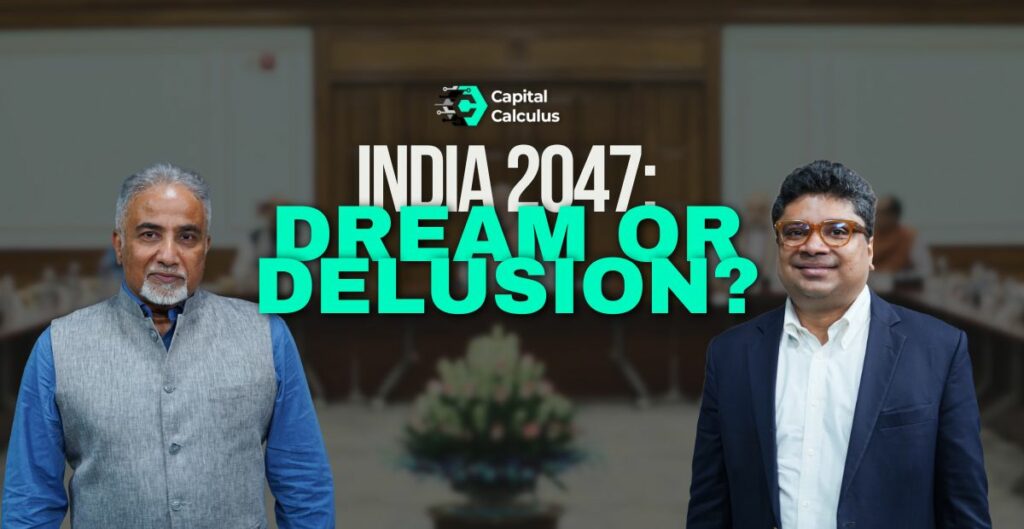
PM Modi’s Bold Promise On Deregulation
On Independence Day, Prime Minister Narendra Modi vowed to rollout hard-nosed and long overdue economic reforms to enable India realise its audacious ambition to become a developed economy by 2047.
Two days after his speech, the PM convened a meeting of experts to work out a plan, suggesting that his government is willing to walk the talk—something that eluded previous regimes, all of whom had made similar claims on implementing second generation economic reforms.
The sad reality is that today overregulation and tax overreach force employers to redirect resources away from potential growth and job opportunities to meet compliance requirements. It increases the cost of doing business and makes Indian goods and services uncompetitive.
To unpack this, StratNewsGlobal.Tech spoke to Dhiraj Nayyar, Chief Economist, Vedanta Ltd on Capital Calculus.
Perplexed By U.S. Logic For Hiking India Tariffs: Jaishankar In Moscow
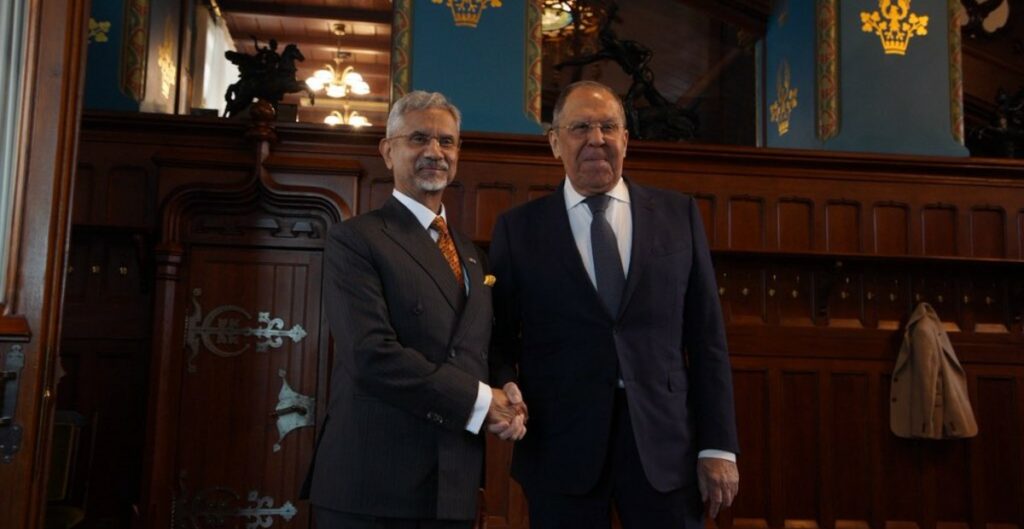
India’s External Affairs Minister S. Jaishankar has rejected the reason cited by the United States for hiking tariffs on Indian exports. Speaking alongside Russian Foreign Minister Sergey Lavrov in Moscow, Jaishankar said he was “perplexed” at the logic behind the punitive trade measures.
“We are not the largest buyer of Russian oil; that is China. Nor are we the biggest in LNG imports, that’s the European Union,” Jaishankar said at a joint press briefing. “In fact, our energy trade decisions have been consistent with our national interest and in line with global energy market stabilisation efforts, including recommendations from the U.S. itself.”
Energy Sovereign Decision
Jaishankar reiterated that India’s oil imports from Russia are a sovereign decision, driven by affordability, accessibility and economic stability. “We also purchase significant quantities of oil from the United States. So, we’re quite puzzled by the rationale used to justify these high tariffs,” he said.
His comments came amid escalating trade tensions with the U.S., where the Trump administration recently announced tariff hikes of up to 50% on Indian goods, citing increased trade with Russia and alleged profiteering from discounted Russian crude.
Expanding India-Russia Trade
Beyond energy, the bilateral agenda between India and Russia was extensive. Jaishankar met Lavrov and Russia’s First Deputy Prime Minister Denis Manturov to review trade, connectivity, defence cooperation and multilateral engagement.
Highlighting the need to balance growing trade, Jaishankar underlined increasing Indian exports in areas such as pharmaceuticals, agriculture and textiles while also addressing non-tariff barriers and regulatory issues.
Both countries discussed ensuring a steady supply of fertilisers, which remains critical for India’s agricultural sector. “This is a priority area and we are taking steps to secure long-term arrangements,” he said.
The minister said Indian skilled workers, especially in IT, engineering and construction, can bridge Russia’s labour demands.
Indians In Russian Army
The minister also raised the issue of Indians serving in the Russian Army, some of whom were reportedly misled into joining or have gone missing. “While several have been released, a few cases remain unresolved. We expect the Russian side to expedite these matters,” he said.
Strategic And Defence Ties
Reaffirming the depth of India-Russia ties, Jaishankar called the relationship one of the “steadiest major partnerships since World War II.” Defence cooperation, including technology transfers and joint production under the ‘Make in India’ framework, remains a cornerstone of bilateral engagement.
He also advocated fast-tracking the opening of new Indian consulates in Kazan and Yekaterinburg to enhance regional cooperation and support growing Indian commercial and diaspora interests in Russia.
Connectivity And Multilateral Cooperation
Both sides discussed advancing connectivity through initiatives such as the International North-South Transport Corridor (INSTC), the Chennai-Vladivostok maritime route and cooperation on the Northern Sea Route, aimed at cutting transit times and enhancing trade across Eurasia.
On the global stage, India and Russia reaffirmed shared goals including reform of the UN Security Council and deeper collaboration within G20, BRICS, and SCO. Jaishankar stressed India’s commitment to zero tolerance on terrorism, and its belief in dialogue and diplomacy to resolve global conflicts.