

Support us by contributing to StratNewsGlobal on the following UPI ID
ultramodern@hdfcbank

Strategic affairs is our game, South Asia and beyond our playground. Put together by an experienced team led by Nitin A. Gokhale. Our focus is on strategic affairs, foreign policy and international relations, with higher quality reportage, analysis and commentary with new tie-ups across the South Asian region.
You can support our endeavours. Visit us at www.stratnewsglobal.com and follow us on YouTube, Twitter, Facebook and Instagram.
र 500 per month
र 1000 per month
र 5000 per year
र 10000 per year
Donate an amount of your choice
र 500 per month
Donate र 500 per month

र 1000 per month
Donate र 1000 per month
र 5000 per year
Donate र 5,000 per year
र 10000 per year
Donate र 10,000 per year
Donate an amount of your choice
Donate an amount of your choice
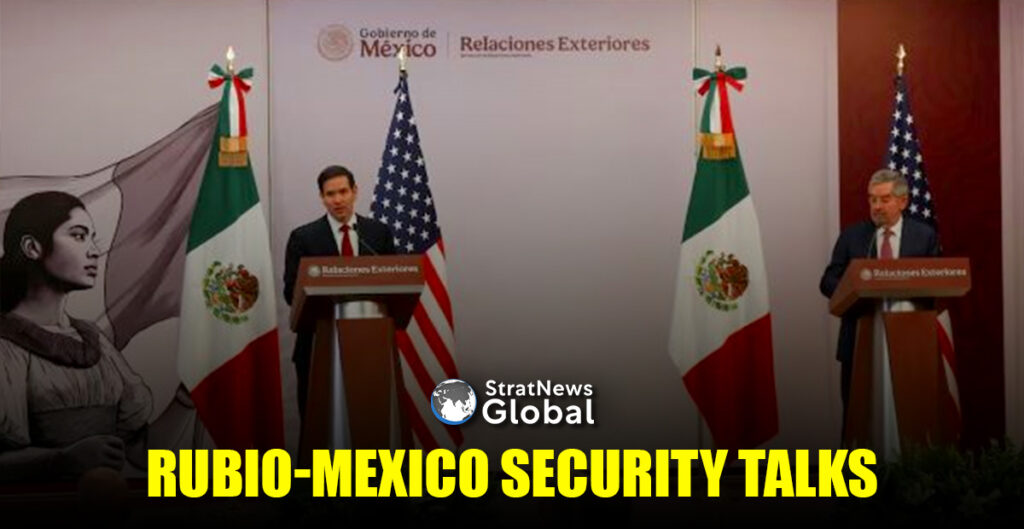
Mexico Reaffirms Sovereignty As Rubio Visits For Security Talks
During his visit to Mexico on Wednesday, U.S. Secretary of State Marco Rubio said cooperation on security matters between the two nations was stronger than ever. The trip came as the Trump administration pressed ahead with its broad campaign against illegal immigration and drug cartels.
The two countries vowed to work together against organized crime groups, several of which U.S. President Donald Trump’s administration has designated as foreign terrorist organizations, though Mexico reiterated that all operations must respect its sovereignty.
Rubio met with President Claudia Sheinbaum and members of her cabinet to discuss security and praised Mexico’s work.
“It is the closest security cooperation we have ever had, maybe with any country, but certainly in the history of U.S.-Mexico relations,” Rubio told reporters alongside his Mexican counterpart, Juan Ramon de la Fuente, who touted “undeniable results” on migration and security cooperation between the Sheinbaum and Trump administrations.
The visit was overshadowed, however, by the U.S. military strike on a vessel from Venezuela in the Caribbean on Tuesday, which U.S. officials said was carrying illegal drugs.
Rubio said such strikes “will happen again” as Trump wages “war on narco terrorist organizations.”
De la Fuente, when asked about Mexico’s position on the strike, stressed his country’s commitment to non-intervention and the respect of sovereignty without criticizing the attack outright.
A joint statement on Mexican-U.S. security emphasized “respect for sovereignty and territorial integrity,” but the Trump administration has repeatedly said unilateral action against the Mexican cartels remains a possibility.
De la Fuente, in the press conference alongside Rubio, said each country must operate “in their own territory.”
Onward To Ecuador
Washington’s top diplomat will travel from Mexico City to Ecuador in his latest trip to the region.
Rubio, the first Latino U.S. secretary of state, traveled to countries in Central America and the Caribbean during his first overseas trip after taking office as the administration sought to shift back focus to Latin America.
The visit comes as Trump has also intensified his campaign to deport migrants in the U.S. illegally, sending federal agents into major U.S. cities and pushing for high daily arrest quotas.
The crackdown on illegal immigration has drawn criticism from some Latin American leaders, including Sheinbaum, who has condemned recent immigration raids in the United States.
Despite Rubio’s warm words and the good ties maintained by Sheinbaum, analysts say the U.S. administration’s trade policies and efforts to combat drug cartels have disrupted the relationship between the two neighbours.
“The relationship is not in its best situation right now,” said Martha Barcena Coqui, who served as Mexico’s ambassador to the United States and is now an expert with Washington’s Center for Strategic and International Studies think tank.
The U.S. military has also ramped up airborne surveillance of Mexican drug cartels, and Trump has authorized the Pentagon to begin using military force against the groups.
U.S. – Mexico Security Agreement
Sheinbaum has said the U.S. and Mexico are nearing a security agreement to expand cooperation in fighting them, but the statement on Wednesday was thin on detail.
Rubio would not address what the security partnership might mean for tariffs imposed on Mexico, saying it was not part of his portfolio.
Mexico in July was able to avoid 30% tariffs on its goods shipments to the U.S., securing a 90-day pause to work on a trade deal with the Trump administration.
But it is still subject to the previously imposed 25% fentanyl tariffs, though goods sent under the USMCA trade agreement – which are most of them – are exempt.
(With inputs from Reuters)
Guyana’s Ruling Party Holds Commanding Lead In Election Vote Count
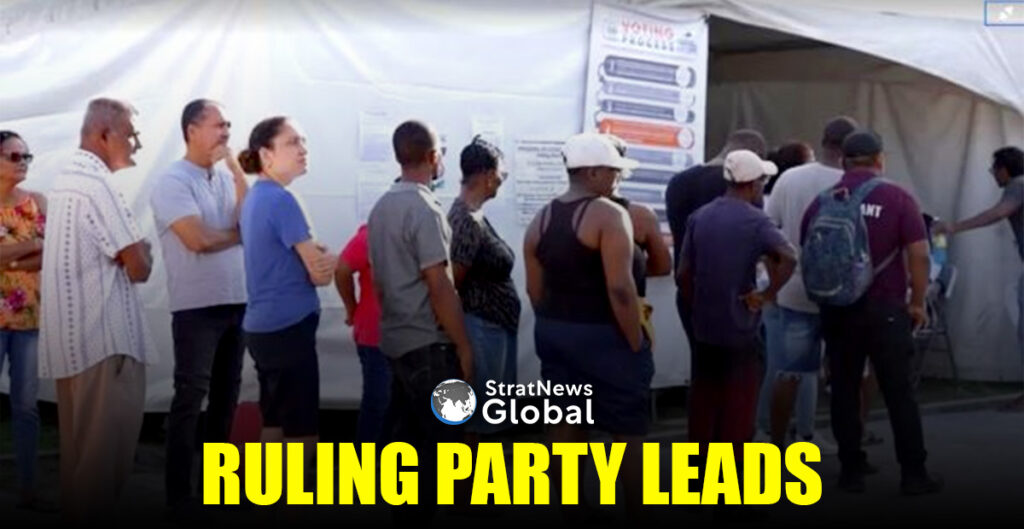
Guyana’s governing People’s Progressive Party has secured more than double the votes of its closest challenger in the general election, putting it on course for a parliamentary majority and another term for President Irfaan Ali.
PPP notched 242,451 votes on Monday in Guyana’s general election, a total of electoral commission figures for each of the country’s 10 districts showed.
The PPP had a majority in eight of the districts. The electoral commission has not yet confirmed how many seats in parliament any of the parties will have.
The figures showed a shake-up for the South American country’s opposition – the upstart We Invest in Nationhood (WIN) party, which was founded just three months ago by business magnate Azruddin Mohamed, was second in votes, winning 109,015 votes and a majority in two districts.
Long-time opposition heavyweights A Partnership for National Unity (APNU) were trailing with 77,973 votes nationwide.
Voting to choose 65 members of parliament and a government came after a campaign focused on how riches from the country’s hydrocarbon boom should be spent.
The country of 800,000 people has earned some $7.5 billion in revenue from oil sales and royalties since ExxonMobil started pumping offshore oil in late 2019, making Guyana one of the world’s fastest-growing economies.
Ali’s government, which took power in 2020, has funneled oil revenue into building roads, schools and hospitals, and made studying at the state university free.
But opposition parties have decried what they say is unfair distribution of oil earnings to groups connected to the PPP. The PPP denies the allegation.
“The PPP will go into the national assembly with a bigger majority than it did in 2020. That’s very clear from the trend you’re seeing,” PPP general secretary and Vice President Bharrat Jagdeo told local media on Tuesday.
WIN Secures Grassroot Support
WIN leader Mohamed was sanctioned by the U.S. last year over allegations that he and his father, Nazar Mohamed, defrauded the Guyanese government of tax revenue and bribed public officials. They deny any wrongdoing.
Mohamed has attracted grassroots support, especially among poor and Indigenous communities, through his philanthropy and WIN has called for fairer access to housing and opportunities for everyone.
Mohamed celebrated his new party’s success in remarks on Wednesday afternoon, but also alleged voting irregularities.
“We in the WIN party, a 90-day old movement, have shaken the pillars of Guyana’s political establishment,” Mohamed said.
“Within the past few days, we have had numerous and credible reports of great irregularities in the conduct of these 2025 elections,” he added, accusing the PPP of using government resources for campaigning and saying WIN has requested recounts.
The leader of the APNU also said he was skeptical of some results in his party’s traditional strongholds and had asked for recounts in three districts.
Election observers from the Organization of American States and the Commonwealth have not flagged any major reports of electoral fraud.
Though turnout was lower by about 37,000 votes than in the 2020 contest, the PPP appeared to have increased its vote share, while the APNU, which was part of a coalition in 2020, seemed to have bled supporters to WIN.
(With inputs from Reuters)
India Continues On German Backing To Fast-Track EU Trade Negotiations
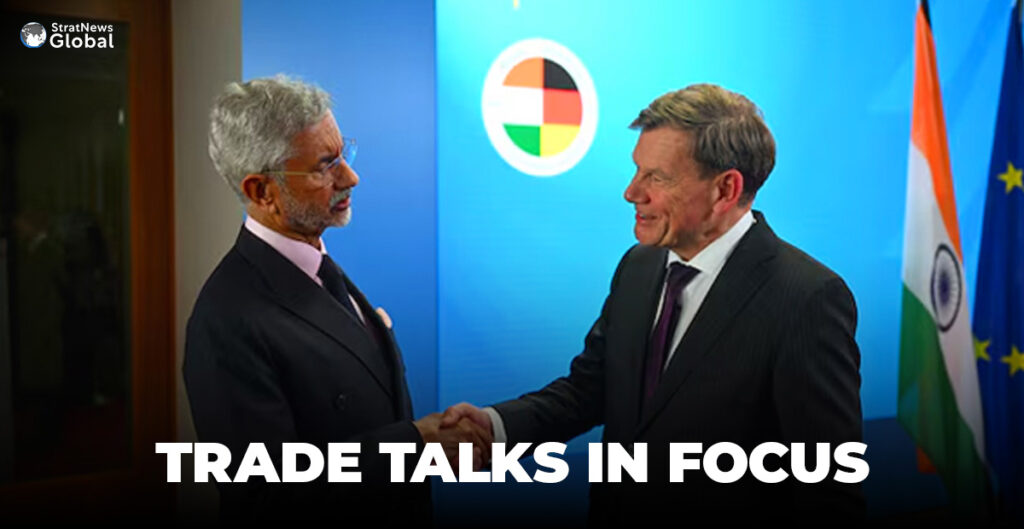
India is relying on Germany’s support to strengthen its relationship with the European Union (EU) and accelerate trade talks, External Affairs Minister Subrahmanyam Jaishankar said on Wednesday, while also calling for bilateral trade with Berlin to be doubled.
Jaishankar met his German counterpart, Johann Wadephul, who is on a two-day visit to India, in New Delhi, with both ministers later calling for an increase in bilateral trade, including in the areas of defence and security.
“We count on your support to deepen our relationship with the European Union and expedite the FTA negotiation,” he told Wadephul as they began their talks, referring to a free trade agreement.
Trade Negotiations
Trade negotiations between India and the EU – which resumed in 2021 after being stalled for eight years – have faced hurdles over the EU’s push to cut import taxes on cars and dairy while seeking stricter climate and labour rules on Indian goods.
India wants to protect local farmers, avoid rigid green rules and keep control over legal disputes.
While Jaishankar, speaking to reporters after Wednesday’s meeting, said India would like the FTA to reach a “decisive conclusion” in the coming days, the German minister said the deal could be concluded in the coming months.
“If others put up trade barriers, then we should respond by lowering them,” Wadephul said.
Commerce and Industry Minister Piyush Goyal had said on Tuesday that trade officials were holding talks in Brussels.
Wadephul’s visit comes days after the U.S. doubled its tariffs on Indian goods, imposing a punitive 25% additional levy over India’s purchases of Russian oil, seen by Washington as financing Moscow’s war effort in Ukraine, on top of the initial 25% tariff that was announced in July.
India has sharply criticised both the U.S. and the EU, saying it is being unfairly singled out by them over its Russian oil purchases when they both trade extensively with Moscow despite the war in Ukraine.
(With inputs from Reuters)
Israeli Forces Advance Deeper Into Gaza City, Forcing Further Displacement
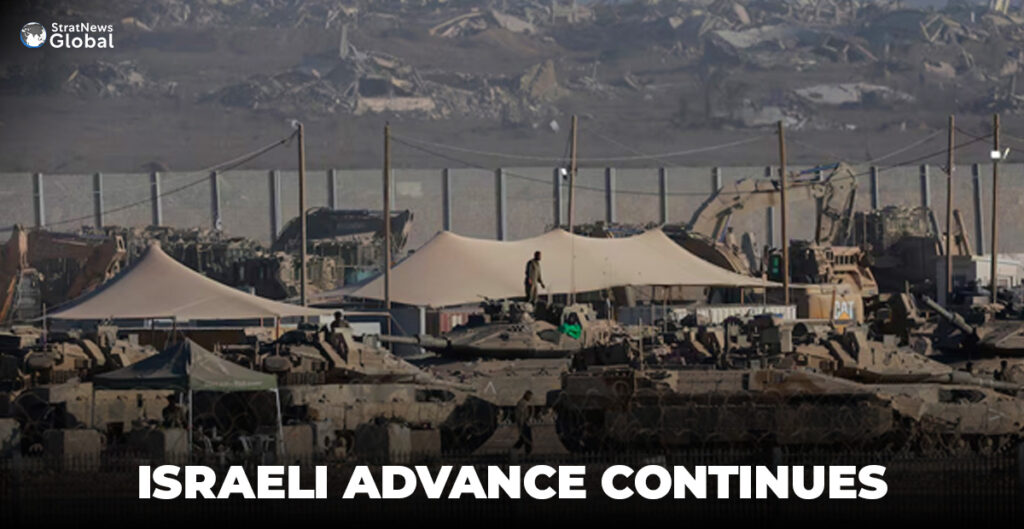
The Israeli forces advanced further into Gaza City on Wednesday, with troops and tanks entering Sheikh Radwan, one of the city’s most densely populated neighbourhoods.
In recent weeks, Israeli forces have advanced through Gaza City’s outer suburbs and are now just a few kilometres from the city centre despite international calls to halt the offensive.
Gaza City residents said the military had destroyed homes and tent encampments that had housed Palestinians displaced by nearly two years of war. At least 24 Palestinians, some of them children, were killed by the military across Gaza on Wednesday, most of them in Gaza City, according to local health officials.
“Sheikh Radwan is being burnt upside-down. The occupation destroyed houses, burnt tents, and drones played audio messages ordering people to leave the area,” said Zakeya Sami, 60, a mother of five, referring to the Israeli military.
“If the takeover of Gaza City isn’t stopped, we might die, and we are not going to forgive anyone who stands and watches without doing anything to prevent our death,” she told Reuters.
The military dropped grenades on three schools in the Sheikh Radwan area that had been used to shelter displaced Palestinians, setting tents ablaze, according to residents, who said the Palestinians fled before the bombing.
The military also detonated armoured vehicles laden with explosives to destroy homes in Sheikh Radwan’s east and bombed a medical clinic, destroying two ambulances, according to witnesses.
Israel To Continue Operations
The Israeli military said in a statement on Wednesday it would continue to operate against “terrorist organisations” in Gaza and to “remove any threat” posed to the State of Israel.
Prime Minister Benjamin Netanyahu has ordered the military to take the city, which he describes as the last stronghold of Hamas, whose October 2023 attack on Israel ignited the war.
Netanyahu insists that Hamas, which has ruled Gaza for nearly two decades but now only controls parts of the territory, must be defeated if it will not lay down its arms and surrender.
Israel’s military has urged the country’s political leadership to instead reach a ceasefire agreement, warning that the assault would endanger hostages held in Gaza and soldiers carrying out the offensive, Israeli officials previously said.
In Israel, public sentiment is largely in favour of ending the war in a deal that would see the release of the remaining hostages. In Jerusalem on Wednesday, protesters climbed the roof of Israel’s national library, displaying a banner that read
‘You have abandoned and also killed’.
Mass Displacement
“We need our soldiers back home. We need our hostages back home now. It’s been too long for them to stay there. Stop the war now,” said Ravid Vexelbaum, 50, from Tel Aviv.
Tens of thousands of reservists reported for duty on Tuesday to support the offensive, forces that a military official told reporters last month were mostly expected to take on non-combat roles, such as in intelligence, or take over from combat soldiers in places like the West Bank who could then be deployed to Gaza.
The attack on Gaza City threatens to displace one million Palestinians, almost half the population of Gaza. The Israeli military in recent weeks has ordered the civilian population to leave their homes, although there are reports that many families who have already been displaced are refusing.
Deadly War
Over 63,000 Palestinians have been killed by the Israeli military since the war started in October 2023, according to local health officials. The war has caused a humanitarian crisis across the territory, with health officials in Gaza reporting that 367 people, including 131 children, have so far died of malnutrition and starvation caused by acute food shortages.
Israeli officials acknowledge there is hunger in parts of Gaza but reject assertions of famine or starvation.
The war in Gaza began on October 7, 2023, when gunmen led by Hamas attacked southern Israeli communities near the border, killing some 1,200 people, and taking 251 hostages, including children, into Gaza. There are 48 hostages still held in Gaza, of which 20 are thought to be alive.
Hamas has offered to release some hostages, living and deceased, in exchange for a temporary ceasefire that Israel has yet to formally respond to. Hamas has also offered to release all hostages in exchange for an immediate end to the war and withdrawal by Israeli officials, but has refused to lay down its arms.
(With inputs from Reuters)
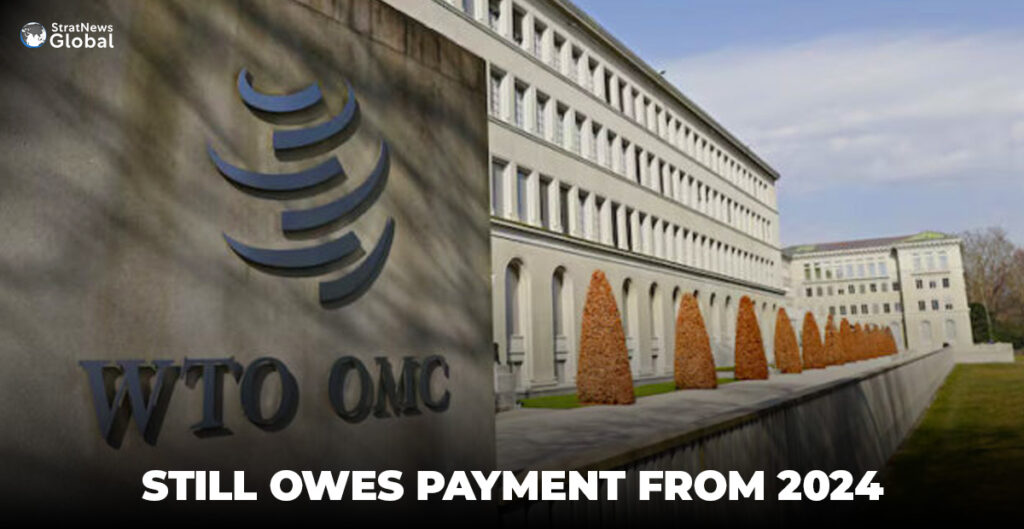
WTO Escapes US Foreign Aid Cuts After Criticism
The White House has quietly removed the World Trade Organization (WTO) from its proposed $4.9 billion foreign aid cuts list, following concerns raised by lawmakers, trade bodies, and the head of the global trade organisation.
Democratic lawmakers said the administration’s unilateral cuts were illegal because the funding had been authorized by Congress, and trade groups argued cutting funding for the WTO would cede territory to China.
WTO Director General Ngozi Okonjo-Iweala told Reuters in an interview on Tuesday that she had been working with the US Trade Representative’s office – headed by Jamieson Greer – and others in the Trump administration to resolve the issue.
‘Toothless’
Friday’s announcement noted $29 million in WTO funding as an example of US contributions to international programmes that violated President Donald Trump’s America First priorities. The administration described the WTO as “toothless”.
By Wednesday, the WTO reference was gone from the White House website.
A trade source familiar with the matter said the WTO funding was no longer being cut, but gave no further details.
The White House, USTR and WTO declined to comment.
Why The Cuts?
The cuts announced on Friday are part of a broader push by Trump and his “Make America Great Again” political movement to reduce US spending abroad and focus on domestic priorities. They come after a government-wide review of US participation in international organizations was completed in August, though details have not been released.
Democratic and Republican administrations have been critical of the WTO for years, citing its failure to adjudicate trade conflicts or make progress on standards for global trade.
Trump’s Trade War
Trump has upended global trade with high tariffs imposed against nearly every trading partner, and separate bilateral trade deals that trade experts say undermine efforts to set binding multilateral rules for trade.
A senior US official said the WTO reference was removed from the White House website to avoid confusion. The list referred to programs funded in the past, the source said, not line items facing fresh cuts.
Minimising The China Threat
The initial announcement of cancelled funding spurred questions from Congress and statements of concern from trade groups such as the National Foreign Trade Council.
The NFTC warned that withdrawing US funding from the WTO would leave a vacuum that other countries would be happy to fill, a nod to China’s push for more power on such bodies.
A second source familiar with the matter said the initial reference to WTO came without prior consultation with other agencies, and the fate of the funding remained unclear.
Barring specific instructions, US funding for the WTO could roll over after September 30, given it comes from an account that carries over automatically at the end of the fiscal year, two of the sources said.
The administration also still owes the WTO money for 2024, Reuters reported in March. The Geneva-based trade watchdog had an annual budget of 205 million Swiss francs ($232 million) in 2024, of which Washington was due to contribute about 11%.
(With inputs from Reuters)
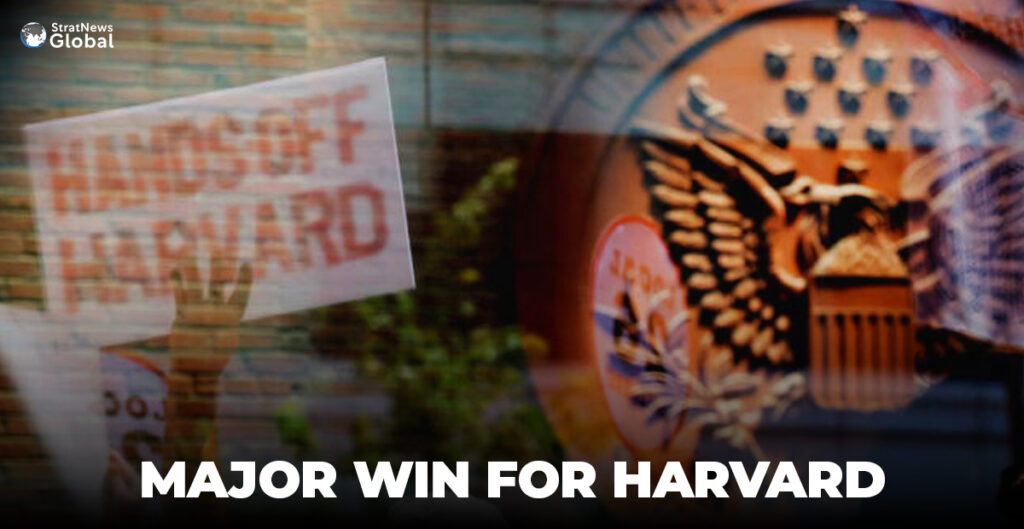
Court Rules Trump Cannot Revoke Harvard’s $2.2 Billion Grants
In a blow to US President Donald Trump’s administration, a federal judge on Wednesday ruled that its decision to revoke $2.2 billion in grants awarded to Harvard University was unlawful — barring any further attempts to cut off funding to the prestigious Ivy League institution.
The decision by US District Judge Allison Burroughs in Boston marked a major legal victory for Harvard as it seeks to cut a deal that could bring an end to the White House’s multi-front conflict with the nation’s oldest and richest university.
Harvard-Trump Spat
The Cambridge, Massachusetts-based school became a central focus of the administration’s broad campaign to leverage federal funding to force change at US universities, which Trump says are gripped by antisemitic and “radical left” ideologies.
The administration cancelled hundreds of grants awarded to Harvard researchers on the grounds the school failed to do enough to address harassment of Jewish students on its campus.
Harvard sued, arguing the Trump administration was retaliating against it in violation of its free-speech rights after it refused to meet officials’ demands that it overhaul its governance, hiring and academic programmes to align with their ideological agenda.
‘Ideologically-Motivated Assault’
Burroughs, an appointee of Democratic President Barack Obama, agreed, saying while Harvard had tolerated hateful behaviour for too long, the Trump administration “used antisemitism as a smokescreen for a targeted, ideologically-motivated assault on this country’s premier universities”.
She said the administration’s pressure campaign resulted in it terminating Harvard’s grants without complying with the law and retaliating against the school in violation of its free speech rights under the US Constitution’s First Amendment.
Burroughs said it was the job of courts to safeguard academic freedom and “ensure that important research is not improperly subjected to arbitrary and procedurally infirm grant terminations, even if doing so risks the wrath of a government committed to its agenda no matter the cost”.
She barred the administration from terminating or freezing any additional federal funding to Harvard and blocked it from continuing to withhold payment on existing grants or refusing to award new funding to the school in the future.
White House Adamant
White House spokesperson Liz Huston in a statement vowed to appeal the ruling by an “activist Obama-appointed judge,” saying Harvard “does not have a constitutional right to taxpayer dollars and remains ineligible for grants in the future”.
Harvard President Alan Garber in a message to the campus community said the ruling “validates our arguments in defence of the University’s academic freedom, critical scientific research, and the core principles of American higher education”.
Garber did not mention the status of settlement talks with the administration, which Trump during a cabinet meeting last week said he wanted to see result in Harvard paying “nothing less than $500 million” as it had “been very bad”.
Garber said that even as the school acknowledged the key principles Burroughs’ ruling affirmed, Harvard was going to be “mindful of the changing landscape in which we seek to fulfill our mission”.
Three other Ivy League schools have made deals with the administration, including Columbia University, which in July agreed to pay $220 million to restore federal research money that had been denied because of allegations the university allowed antisemitism to fester on campus.
As with Columbia, the Trump administration took actions against Harvard related to the pro-Palestinian protest movement that roiled its campus and other universities in the wake of the October 7, 2023, Hamas attack on Israel and Israel’s war in Gaza.
Harvard has said it has taken steps to ensure its campus is welcoming to Jewish and Israeli students, who it acknowledges experienced “vicious and reprehensible” treatment following the onset of Israel’s war in Gaza.
The administration’s decision to cancel grants was one of many actions it has taken against Harvard. It has also sought to bar international students from attending the school; threatened Harvard’s accreditation status; and opened the door to cutting off more funds by finding it violated federal civil rights law.
Other Wins
Burroughs in a separate case has already barred the administration from halting Harvard’s ability to host international students, who comprise about a quarter of the school’s student body.
Harvard litigated the grant funding case alongside the school’s faculty chapter of the American Association of University Professors, which opposes the idea of the institution cutting a deal with Trump.
“We hope this decision makes clear to Harvard’s administration that bargaining the Harvard community’s rights in a compromise with the government is unacceptable,” the group’s lawyers, Joseph Sellers and Corey Stoughton, said in a statement.
(With inputs from Reuters)
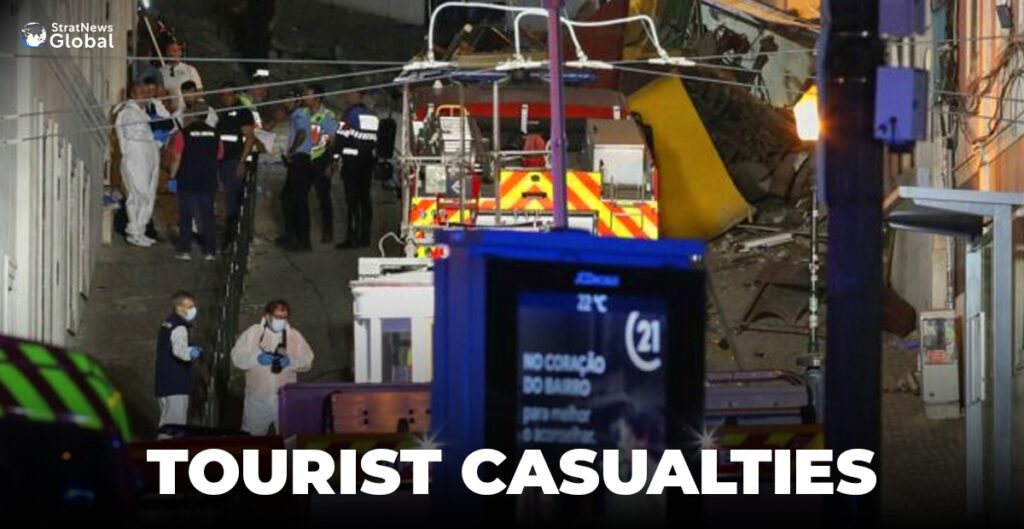
Lisbon Tram Tragedy: Gloria Funicular Derails, Kill 15
At least 15 people were killed and 18 injured on Wednesday when Lisbon’s iconic Gloria funicular — a major tourist attraction and city landmark — derailed and crashed, according to an emergency medical service spokesperson.
Authorities did not identify the victims or disclose their nationalities, but said some foreign nationals were among the dead. Five people were gravely injured, the spokesperson said.
‘Tragic Incident’
“It’s a tragic day for our city. … Lisbon is in mourning, it is a tragic, tragic incident,” Carlos Moedas, mayor of the Portuguese capital, told reporters.
Portugal’s government declared a day of national mourning on Thursday.
Footage from the site showed the destroyed yellow tram-like funicular, which carries people up and down a steep hillside in the Portuguese capital. Emergency workers were pulling people out of the wreckage.
Investigation Ongoing
President Marcelo Rebelo de Sousa lamented the tragic accident in a statement, expressing hope that authorities would soon establish what had caused the crash.
Police investigators were inspecting the site and the prosecutor general’s office said it would open a formal investigation, as is customary in public transport accidents.
The line, which opened in 1885, connects Lisbon’s downtown area near the Restauradores Square with the Bairro Alto (Upper Quarter), famous for its vibrant nightlife.
It is one of three funicular lines operated by the municipal public transport company Carris and is used by tourists as well as local residents.
Carris said in a statement that “all maintenance protocols have been carried out”, including monthly and weekly maintenance programmes and daily inspections.
The Gloria line transports around 3 million people annually, according to the town hall.
Its two cars, each capable of carrying around 40 people, are attached to opposite ends of a haulage cable with traction provided by electric motors on the two cars.
Dramatic Escape
The car at the bottom of the line was apparently undamaged, but video from bystanders aired by CNN Portugal showed it jolting violently when the other one derailed and several passengers jumping out of its windows and people shouting.
Portugal, and Lisbon in particular, has experienced a tourism boom in the past decade, with visitors cramming the popular downtown area in the summer months.
A spokesperson for Britain’s Foreign, Commonwealth and Development Office said it was in touch with the local authorities and stood by “to provide consular assistance if there are any affected British nationals”.
Britain is the largest source of tourism to Portugal, followed by Germany, Spain and the United States. The US State Department did not immediately respond to a request for comment.
(With inputs from Reuters)
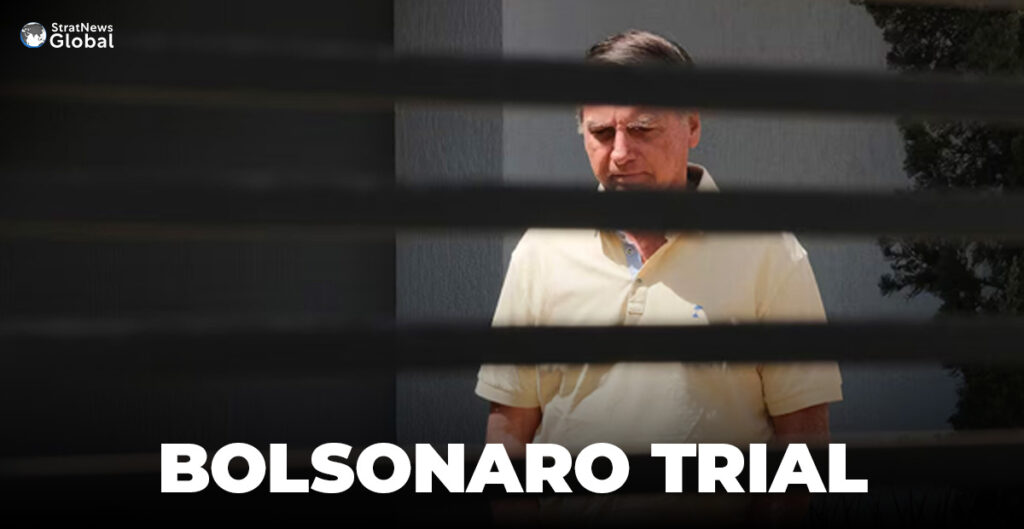
Bolsonaro’s Lawyer Claims Defence Rights Curtailed In Brazil Coup Trial
Former Brazilian President Jair Bolsonaro, currently on trial for allegedly plotting a coup following his 2022 election defeat, neither undermined democracy nor received full rights to a fair defence, his lawyer contended on Wednesday.
“We did not have access to the evidence, and much less had enough time to go through it,” Celso Vilardi told the Supreme Court. He asserted that the court had fast-tracked proceedings.
Local media and Bolsonaro backers have said that the court appeared to be streamlining proceedings to ensure the trial does not overlap with campaigns for the 2026 presidential elections.
Alexandre de Moraes, the justice overseeing the case, has denied those claims.
Paulo Amador da Cunha Bueno, one of Bolsonaro’s lawyers, told Reuters that the former president will not attend any of the trial sessions.
The trial is unfolding under the glare of U.S. President Donald Trump, who has called it a “witch hunt” and retaliated by imposing 50% tariffs on many Brazilian goods and sanctions on Justice Moraes. Bolsonaro and his son, Eduardo, are being investigated for inviting Trump’s interference in the case.
As he opened the court session on Tuesday, Moraes said a “criminal organization” had tried to coerce the high court to submit to “the scrutiny of a foreign state.”
But, he added, those efforts would not affect the court’s decision because “national sovereignty cannot, should not, and will never be vilified, negotiated or extorted.”
A Prison Sentence Could Exceed 40 Years
Bolsonaro has always denied making any attempt to overthrow Brazil’s democracy, but he acknowledged at a deposition that he took part in meetings looking for ways to reverse the outcome of the 2022 election.
Prosecutors have also linked Bolsonaro to riots in Brasilia in January 2023, when thousands of his supporters invaded and vandalized the Congress building, presidential palace, and Supreme Court, in a grim echo of the U.S. Capitol invasion two years earlier by Trump supporters.
The maximum combined sentence for the crimes Bolsonaro is accused of in Brazil could exceed 40 years.
Vilardi said on Wednesday that the Supreme Court lacked evidence to convict Bolsonaro, arguing that prosecutors did not prove his connection to the rioters, and that the case’s main whistleblower, Bolsonaro’s former aide Mauro Cid, had changed his testimony several times.
Under these circumstances, he said, accusing Bolsonaro of crimes that could lead to a 30-year prison sentence “is not reasonable.”
Senator Flavio Bolsonaro, one of the former president’s sons, told Reuters on Tuesday that he believed the case was rigged because three of the five justices on the panel were “anti-Bolsonaro.” He pointed to their connections to leftist President Luiz Inacio Lula da Silva, who won the 2022 election.
Justice Flavio Dino previously served as Lula’s justice minister, and Justice Cristiano Zanin was Lula’s lawyer. Moraes has unfairly persecuted his father, said Flavio Bolsonaro.
Past challenges by Bolsonaro’s lawyers arguing the justices were biased were denied by the court.
There are 11 Supreme Court justices, seven of whom were appointed by leftist presidents. The two justices appointed by Bolsonaro are not part of the panel ruling on his case. The five justices on the panel are chosen according to when they joined the court.
(With inputs from Reuters)
Trump Seeks Supreme Court Backing For Tariffs Amid Legal Challenges
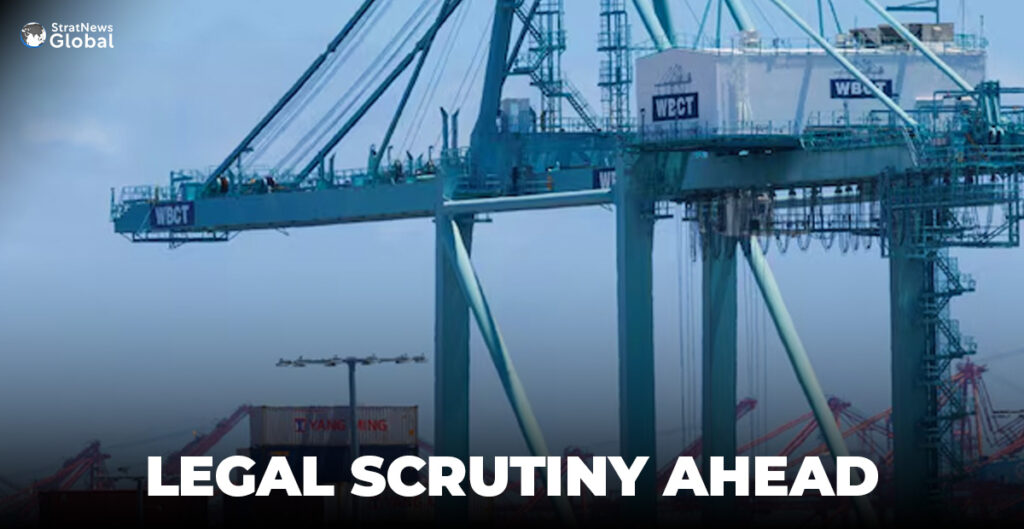
U.S. President Donald Trump is preparing to soon petition the conservative-leaning Supreme Court to uphold his sweeping emergency tariffs, following two defeats in lower courts.
However, his administration is expected to face difficult legal scrutiny as it simultaneously pursues alternative strategies.
Legal and trade experts said that the Supreme Court’s 6-3 majority of Republican-appointed justices may slightly improve Trump’s odds of keeping in place his “reciprocal” and fentanyl-related tariffs after a federal appeals court ruled 7-4 last week that they are illegal.
Trump said on Tuesday that his administration would seek, as early as Wednesday, an expedited ruling by the Supreme Court “because we need an early decision.” He warned of “devastation” if the duties he imposed under the International Emergency Economic Powers Act (IEEPA) are struck down.
The U.S. Court of Appeals for the Federal Circuit agreed on Friday with a lower court in finding that IEEPA does not grant the president unlimited authority to impose tariffs, and the 1977 statute does not mention the term among the regulatory powers it allows in a national emergency.
The ruling marked a rare setback for Trump, who has sought to re-order the global economy in the U.S.’s favour with tariffs by declaring a national emergency over decades of trade deficits. Trump has won a string of Supreme Court victories since returning to office, from allowing the deportation of migrants to permitting a ban on transgender people in the military.
Top administration officials, including Treasury Secretary Scott Bessent, say they expect the Supreme Court to uphold the use of IEEPA to justify tariffs, but will turn to other legal means if needed. The tariffs will remain in place at least through October 14 to allow time for the government to file the Supreme Court appeal.
Major Questions Doctrine
Trump’s Department of Justice has argued that the law allows tariffs under emergency provisions that authorise a president to “regulate” imports or block them completely.
How far that unwritten regulatory authority goes is the biggest challenge for Trump’s appeal, and two losses have led some legal scholars to predict that the Court of International Trade’s original ruling against the tariffs will ultimately be upheld.
“I have a really hard time believing that the Supreme Court is going to read IEEPA in such a broad way that the President can write and rewrite the tariff code in any way he wishes, on any particular day for any particular reason,” said John Veroneau, a former Republican-appointed deputy U.S. Trade Representative and partner at Covington and Burling.
Veroneau said that the case will test the Supreme Court’s “major questions doctrine”, which holds that if Congress wants to give an executive agency the power to make decisions of “vast economic and political significance,” it must do so explicitly.
The doctrine was used against former President Joe Biden in 2023 when the Supreme Court ruled 6-3 that he overstepped his authority by moving to cancel up to $400 billion in student loans – an order that the court said had a “staggering” scope of impact.
A key question is whether the court will apply the same standard to Trump’s tariffs. Comparing these to the impact of the student loan cancellations, the appeals court said in its decision that “the overall economic impact of the tariffs imposed under the government’s reading of IEEPA is even larger still.”
Split Decision
Balancing this will be the Supreme Court’s traditional deference to the president on matters of foreign affairs and national emergencies, an issue where the 6-3 conservative majority may come into play. Six of the seven appeals court judges voting against the IEEPA tariffs were appointed by Democratic presidents, but there were crossover votes among both parties’ appointees.
“Given the Federal Circuit’s majority opinion and the dissent were quite robust, the Supreme Court will likely address the meat of whether IEEPA allows the administration to impose tariffs,” said Ryan Majerus, a former senior Commerce Department official and a partner with King and Spalding.
“That decision, either way, will have significant implications for where the administration’s trade policy goes next,” Majerus said.
The Trump administration has already been expanding tariff investigations under other legal authorities, including the national security-focused Section 232 of the Trade Expansion Act of 1962, under which a probe into furniture imports has been launched.
Bessent told Reuters that another option could be a provision of the Smoot-Hawley Tariff Act of 1930, which allows the president to impose tariffs of up to 50% on imports from countries that are found to discriminate against U.S. commerce. The statute, Section 338, has been largely dormant for decades, but it would allow for the quick imposition of tariffs.
IEEPA Tariffs
If the IEEPA tariffs ultimately are struck down, trade lawyers said that a major headache for the Trump administration will be refunds of paid duties. Majerus said importers can lodge protests at the Customs and Border Protection agency to obtain refunds, but these efforts may end up in litigation.
CBP reported that as of August 25, collections of Trump’s tariffs imposed under IEEPA totalled $65.8 billion.
A source familiar with the Trump administration’s thinking said that lawyers sifted through the ruling over the Labour Day holiday weekend to gauge possible outcomes and expected a quick appeal to the Supreme Court, with a final decision likely in early 2026.
(With inputs from Reuters)
Putin Warns Ukraine: Negotiate Peace Or Face Military Force
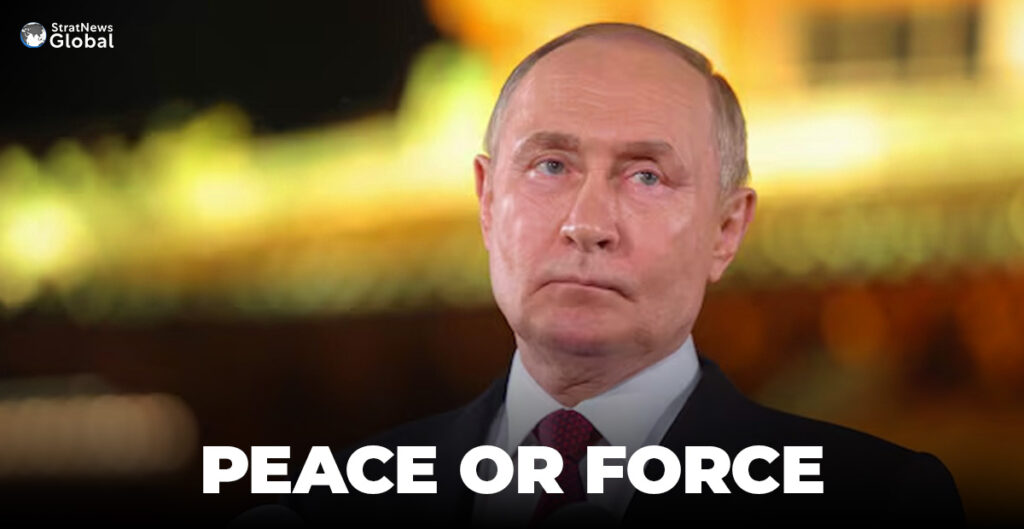
Russian President Vladimir Putin told Kyiv on Wednesday that the war in Ukraine could be resolved through negotiations “if common sense prevails,” stressing that while he preferred a diplomatic settlement, he was prepared to end the conflict by force if necessary.
Speaking in Beijing at the end of a visit that resulted in an agreement on a new gas pipeline to China, Putin said he perceived “a certain light at the end of the tunnel”, given what he said were sincere efforts by the United States to find a settlement to Europe’s biggest land war since World War Two.
“It seems to me that if common sense prevails, it will be possible to agree on an acceptable solution to end this conflict. That is my assumption,” Putin told reporters.
“Especially since we can see the mood of the current U.S. administration under President (Donald) Trump, and we see not just their statements, but their sincere desire to find this solution… And I think there is a certain light at the end of the tunnel. Let’s see how the situation develops,” he said.
“If not, then we will have to resolve all the tasks before us by force of arms.”
However, Putin indicated no willingness to soften his long-standing demands, including that Kyiv abandon any idea of joining NATO and that it end what Moscow says is discrimination against Russian speakers.
He said he was ready to hold talks with Volodymyr Zelenskyy if the Ukrainian president came to Moscow, but that any such meeting had to be well prepared and lead to tangible results.
Ukraine’s foreign minister dismissed as “unacceptable” the suggestion of Moscow as a venue for such a meeting.
Far Apart
Zelenskyy has been pressing to meet Putin to discuss the terms of a possible deal, even though the two sides remain far apart. He has urged Washington to impose further sanctions on Russia if Putin does not agree.
Trump – who has been trying to broker a peace settlement – has also said he wants the two leaders to meet and has threatened, but not yet imposed, secondary sanctions on Russia.
Putin, whose economy is showing signs of strain after being hit with sweeping Western sanctions, said he would prefer to end the war diplomatically, “by peaceful means”, if possible.
Russia claims to have annexed four Ukrainian regions, a claim Kyiv and most Western countries reject as an illegal land grab backed by a colonial-style war of conquest.
(With inputs from Reuters)