

Support us by contributing to StratNewsGlobal on the following UPI ID
ultramodern@hdfcbank

Strategic affairs is our game, South Asia and beyond our playground. Put together by an experienced team led by Nitin A. Gokhale. Our focus is on strategic affairs, foreign policy and international relations, with higher quality reportage, analysis and commentary with new tie-ups across the South Asian region.
You can support our endeavours. Visit us at www.stratnewsglobal.com and follow us on YouTube, Twitter, Facebook and Instagram.
र 500 per month
र 1000 per month
र 5000 per year
र 10000 per year
Donate an amount of your choice
र 500 per month
Donate र 500 per month

र 1000 per month
Donate र 1000 per month
र 5000 per year
Donate र 5,000 per year
र 10000 per year
Donate र 10,000 per year
Donate an amount of your choice
Donate an amount of your choice
Ukrainian Troops Deal Major Blows To Russian Forces In Donetsk: Zelenskyy
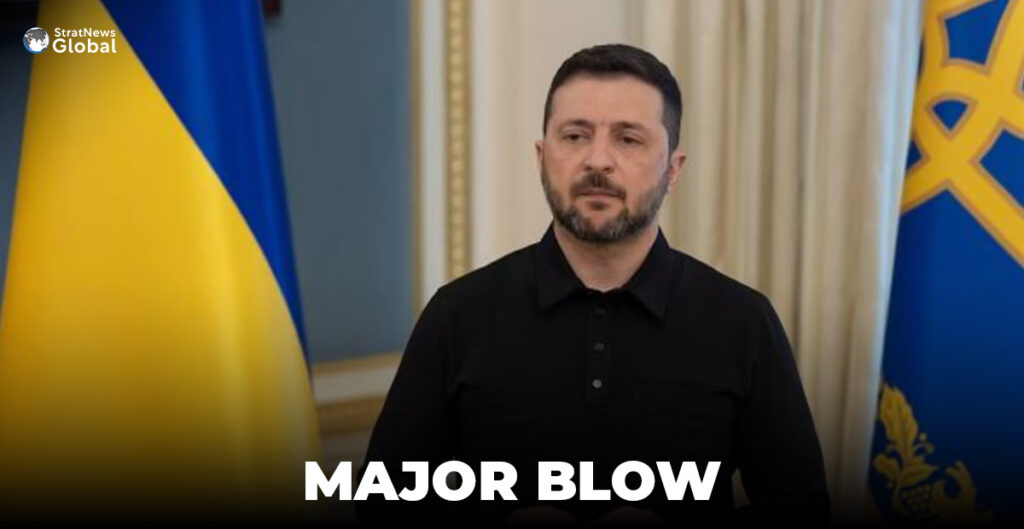
Ukrainian President Volodymyr Zelenskyy said on Wednesday that Kyiv’s forces were dealing major blows to Russian troops along the eastern front in Donetsk region, which remains the central battleground of the war now in its fourth year.
Zelenskyy’s account, based on a report by Ukraine’s top commander, contrasted with Kremlin leader Vladimir Putin’s address to senior Russian officers a day earlier in which he said Moscow’s forces held the strategic initiative in all frontline sectors.
Zelenskyy, speaking in his nightly video address, said he spoke for almost an hour to top commander Oleksandr Syrskyi, with “particular attention on the Dobropillia operation, our counteroffensive”. He described heavy casualties in the area.
Ukraine has pointed to successes in Dobropillia, just north of the logistics hub of Pokrovsk, one of the key targets in Russia’s slow advance westward through Donetsk region.
Ukrainian forces, Zelenskyy said, were “defending ourselves along all other directions,” referring specifically to Kupiansk, a largely destroyed town in northeastern Ukraine under heavy Russian assaults for months.
He also described conditions as “difficult” around Novopavlivka, farther south in Zaporizhzhia region, but said “our active defensive actions there are showing good results”.
Putin Says Ukrainian Forces Are Retreating
Putin told senior officers on Tuesday in northwestern Russia, near the country’s second-largest city of St. Petersburg, that Russia had recaptured almost 5,000 square km (1,930 square miles) of land in Ukraine in 2025.
He said Ukrainian forces were retreating in all sectors of the front and that while Kyiv was trying to strike deep into Russian territory, it would not help.
Russia’s Defence Ministry said on Wednesday that it had taken control of the village of Novohryhorivka in southern Zaporizhzhia region, the latest in a series of nearly daily announcements of newly captured settlements.
The regional governor in Ukraine’s southern region of Kherson said Russian attacks on Wednesday had killed three people in and around the city of the same name.
And the governor of Sumy region, on the northern border with Russia, said three people died in Russian drone attacks in different districts.
(With inputs from Reuters)
Seychelles President Faces Tight Run-Off To Prevent Opposition Victory
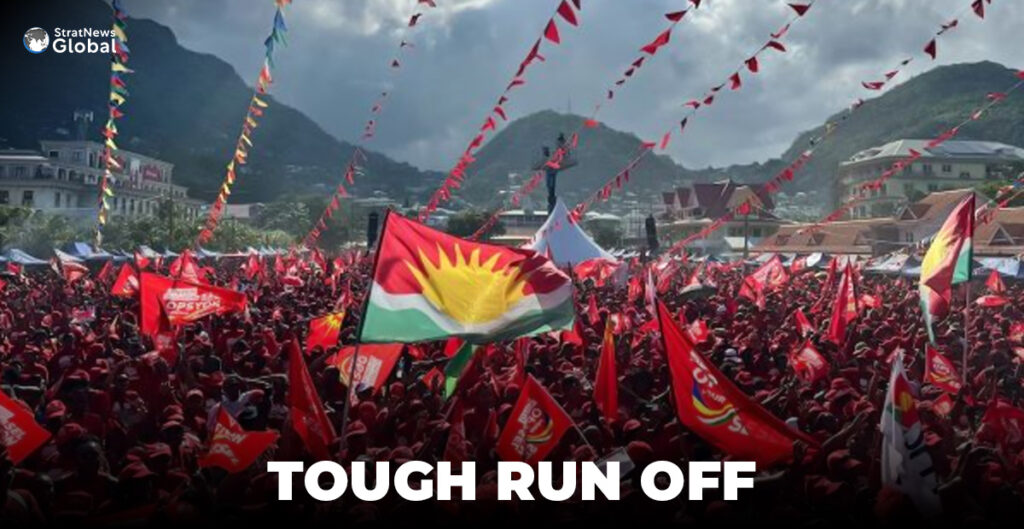
Voters in Seychelles headed back to the polls on Thursday for a run-off between the sitting president and the leader of the long-dominant ruling party, which has already regained control of parliament.
In the first round last month, Patrick Herminie, a former National Assembly speaker from the United Seychelles party, outpaced President Wavel Ramkalawan by more than 2 percentage points, with 48.8% of the more than 64,000 ballots cast.
“I think the people of Seychelles want a balance of power to get the best deal,” Ramkalawan said.
His Linyon Demokratik Seselwa coalition lost its parliamentary majority in last month’s vote, so he would preside over a divided government if he were to win.
Voting began on outlying islands and for some essential workers on Thursday, with polling stations on the three main islands set to open on Saturday. Results are due on Sunday.
Ramkalawan, a former Anglican priest, came to power in 2020, becoming the first president from outside United Seychelles – formerly the Seychelles People’s Progressive Front – since a coup one year after independence from Britain in 1976.
He has touted his management of Seychelles’ economic recovery from the COVID-19 pandemic, saying he needs a second five-year term to build social protection and infrastructure while defending the country’s neutrality to draw investment.
Africa’s wealthiest country per capita, the Indian Ocean archipelago sprawling over 463,000 square miles (1.1 million sq km) is a tourist haven as well as a target for investment from, and security cooperation with, China, Gulf nations and India.
The nation of 115 islands is, however, also among the world’s most climate vulnerable, and has one of the highest per-capita rates of heroin use.
Opposition Aims To Regain Control
Ramkalawan’s opponent Herminie, who was arrested in 2023 on charges of witchcraft that were later dropped, aims to restore United Seychelles’ control of both the presidency and parliament for the first time since 2015.
He has been boosted by endorsements from candidates eliminated in the first round, such as Marco Francis, who won about 2% of the vote.
“We needed just 1% to win State House,” Herminie said at a rally. “That means 500 votes. And today, I’m telling you: we will get those 500 votes and go to State House on October 11.”
His platform includes lowering the retirement age that Ramkalawan raised and cancelling a hotel project environmentalists say threatens a UNESCO-listed coral atoll.
(With inputs from Reuters)
Colombian President Claims Ship Bombed By U.S. May Have Been Colombian
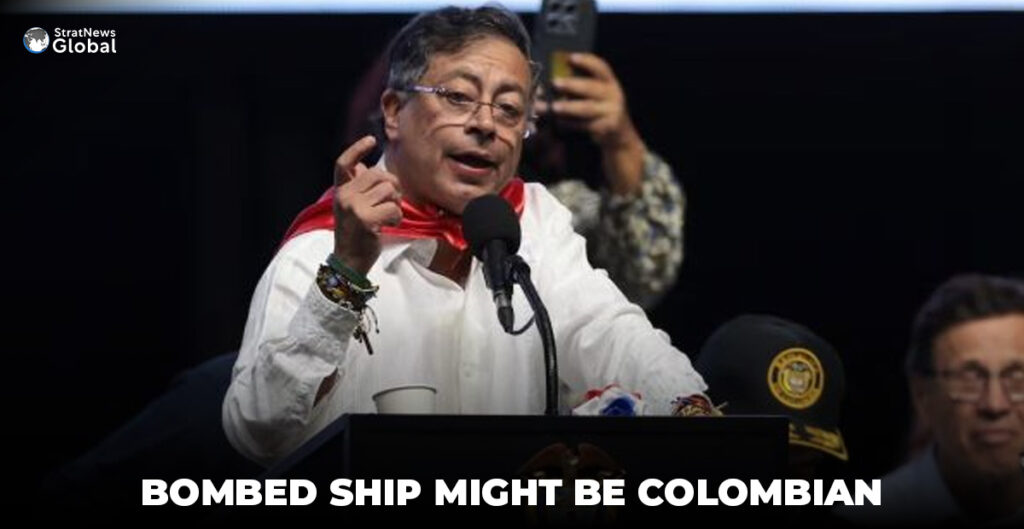
Colombian President Gustavo Petro said on Wednesday that the vessel recently bombed by the United States in the Caribbean might have been Colombian and carried Colombian nationals. The White House dismissed his remark, calling it an unfounded claim.
U.S. President Donald Trump on Sunday announced the latest in a series of military strikes targeting drug trafficking vessels off the coast of Venezuela, although the Pentagon has yet to confirm any such strike occurred on Saturday.
“Indications show that the last boat bombed was Colombian with Colombian citizens inside of it,” Petro said in a post on X. “The aggression is against all of Latin America and the Caribbean.”
If verified, the assertion would bring Colombia into the fray of a U.S. campaign that had previously targeted Venezuelan boats.
White House Calls Petro’s Statement ‘Baseless’
The White House rebuffed Petro’s comments.
“The United States looks forward to President Petro publicly retracting his baseless and reprehensible statement so that we can return to a productive dialogue on building a strong, prosperous future for the people of the United States and Colombia,” a White House official said.
The official said Colombia is an “essential strategic partner” despite policy differences, and the two countries share priorities including regional security.
The Pentagon and the State Department did not immediately respond to requests for comment on Petro’s statement.
There have been at least four strikes in recent weeks on boats the U.S. says were transporting drugs, and the White House says 21 people have been killed in the operations. The attacks have inflamed tensions in the region and Washington on Monday called off diplomatic outreach to Venezuela.
Petro, who is in Belgium meeting with European leaders, was replying to a post by U.S. Senator Adam Schiff who said he would vote to block strikes against vessels in the Caribbean.
“Let the White House give us the information about the people who died due to the U.S. missiles, so we can see if my information is unfounded,” Petro said later on Wednesday.
Colombia’s presidential office did not immediately respond to a request for more details.
Venezuela’s Military Exercises
Venezuela’s Interior Minister Diosdado Cabello responded to Petro’s comments on state TV.
“They (the U.S.) have set in place a death penalty for any citizen they believe they can murder, using the excuse that drugs, according to them, are coming from Venezuela,” he said.
Separately on Wednesday, Venezuela began new military exercises in the coastal states of La Guaira and Carabobo.
During a televised address, Venezuelan Defence Minister General Vladimir Padrino called the U.S. military deployment in the Caribbean a “serious threat” and said Venezuelan President Nicolas Maduro has called for a “counteroffensive.”
In August, Washington doubled the reward for information leading to Maduro’s arrest to $50 million, claiming that he is linked to drug trafficking and criminal groups.
Trump has played down the possibility of a regime change in the South American country.
The U.S. military deployment in the southern Caribbean includes seven warships, a nuclear-powered submarine, and F-35 stealth fighters.
(With inputs from Reuters)
Taiwan Flags Shift In China’s Invasion Strategy
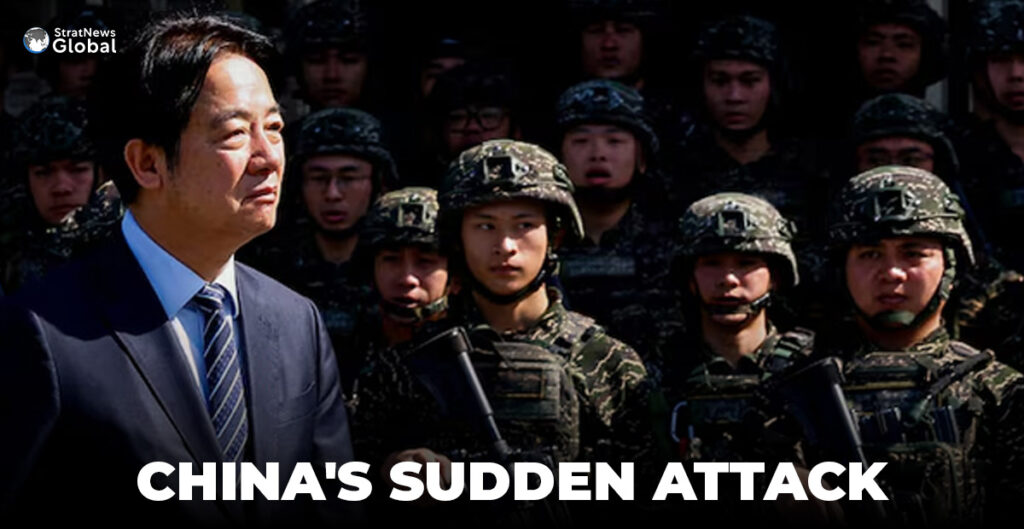
China has been steadily ramping up the frequency of its military operations near Taiwan and advancing new defence equipment, signalling efforts to sharpen its capability for launching a potential surprise assault, Taiwan’s defence ministry stated on Thursday.
Democratically-governed Taiwan, which China views as its own territory, has faced increased military pressure from Beijing over the past five years, including at least six rounds of major war games around the island since 2022.
China has been using artificial intelligence tools to weaken Taiwan’s cybersecurity and to scan for weak points in critical infrastructure, the defence ministry said in a report released every two years.
‘Hybrid Warfare’
Beijing is also using “hybrid warfare” to weaken people’s trust in the government and support for defence spending, and stepping up “grey zone” harassment, it added, referring to non-combat operations such as coast guard patrols designed to pressure Taiwan.
“Through both conventional and unconventional military actions, it aims to test its capabilities for attacking Taiwan and confronting foreign forces,” the ministry said.
China could try to suddenly shift drills into active combat mode to catch Taiwan and its international supporters off guard, posing a significant threat to regional peace and security, it added.
Shift In Tactics
In recent years, China has been extensively using civilian roll-on/roll-off merchant vessels for military transport operations and continues to develop specialised equipment for beach landing operations, the ministry said.
China’s defence ministry did not immediately respond to a request for comment.
Beijing’s Harsh Criticism
China considers Taiwan President Lai Ching-te a “separatist”. Lai rejects Beijing’s sovereignty claims, saying only the island’s people can decide their future.
On Wednesday, shortly after Lai gave an interview lauding US President Donald Trump, China said the former is “prostituting” himself to foreigners to try and win their favour but his schemes are doomed to fail.
Using unusually strong wording, Beijing said: “He has engaged in unprincipled foreign pandering and bottomless selling out of Taiwan, squandering the flesh and blood of the people, prostituting himself and throwing in his lot with foreign forces.”
(With inputs from Reuters)
Israel, Hamas Agree To Trump’s Gaza Ceasefire Deal
In a significant development on Wednesday, Israel and Hamas agreed to the first phase of US President Donald Trump’s Gaza plan — a ceasefire and hostage exchange — potentially paving the way to end the devastating two-year conflict that has shaken the Middle East.
Just a day after the second anniversary of Hamas militants’ cross-border attack that triggered Israel’s devastating assault on Gaza, indirect talks in Egypt yielded an agreement on the initial stage of Trump’s 20-point framework to bring peace to the Palestinian enclave.
The accord, if fully implemented, would bring the two sides closer than any previous effort to halt a war that had evolved into a regional conflict, drawing in countries such as Iran, Yemen and Lebanon, deepened Israel’s international isolation and reshaped the Middle East.
But the deal announced by Trump late on Wednesday was short on detail and left many unresolved questions that could still lead to its collapse, as has happened with previous peace efforts.
Successful completion of the deal would mark a significant foreign policy achievement for the Republican president, who had campaigned on bringing peace to major world conflicts but has struggled to swiftly deliver, both in Gaza and on Russia’s invasion of Ukraine.
‘We Will Bring Them Home’
“I am very proud to announce that Israel and Hamas have both signed off on the first Phase of our Peace Plan,” Trump said on Truth Social.
“This means that ALL of the Hostages will be released very soon, and Israel will withdraw their Troops to an agreed upon line as the first steps toward a Strong, Durable, and Everlasting Peace,” Trump added.
Israeli Prime Minister Benjamin Netanyahu said in a written statement, referring to the hostages held by Hamas: “With God’s help we will bring them all home.” He said he would convene his government on Thursday to approve the agreement.
Hamas confirmed it had reached an agreement to end the war, saying the deal includes an Israeli withdrawal from the enclave and a hostage-prisoner exchange. But the group called on Trump and guarantor states to ensure Israel fully implements the ceasefire, it added in a statement.
Trump said earlier that a deal was almost done and that he may travel to Egypt this weekend, possibly leaving as soon as Saturday.
“All Parties will be treated fairly!” he said on Truth Social. “This is a GREAT Day for the Arab and Muslim World, Israel, all surrounding Nations, and the United States of America, and we thank the mediators from Qatar, Egypt, and Turkey, who worked with us to make this Historic and Unprecedented Event happen.”
Senior envoys from the US, Qatar and Turkey had joined the talks, apparently adding momentum to discussions launched on Monday in the Egyptian resort town of Sharm el-Sheikh.
Trump sent his son-in-law Jared Kushner and special envoy Steve Witkoff, and Israel was represented by Israeli Strategic Affairs Minister Ron Dermer, a close confidant of Netanyahu.
Despite the hopes raised for ending the war, crucial details are yet to be spelled out, including the timing, a post-war administration for the Gaza Strip and the fate of the Palestinian militant group Hamas.
Gaza authorities say more than 67,000 people have been killed and much of the enclave has been flattened since Israel began its military response to the Hamas cross-border attack on Oct. 7, 2023. Around 1,200 people were killed and 251 were taken hostage back to Gaza, according to Israeli officials, with 20 of the 48 hostages still held believed to be alive.
Hostage Release Expected In Days
A Hamas source stated that living hostages would be released within 72 hours of Israeli approval, though recovering the bodies of around 28 dead hostages may take longer. Israel expects the hostage release to begin on Saturday.
Prime Minister Netanyahu and US President Trump, who had pushed for the deal, spoke and hailed the agreement as a historic achievement, with Netanyahu inviting Trump to address Israel’s parliament.
While Netanyahu faces growing domestic pressure to end the war, he also risks losing support from far-right coalition members if he concedes too much to the Palestinians.
United Nations Secretary-General Antonio Guterres called for all sides to abide fully by the terms on the hostage agreement. “Immediate and unimpeded entry of humanitarian supplies and essential commercial materials into Gaza must be ensured. The suffering must end,” he said in a statement.
Hamas said earlier on Wednesday it had handed over its lists of the hostages it held and the Palestinian prisoners held by Israel that it wanted to be exchanged.
Hamas has submitted a list of Palestinian prisoners it wants freed, including high-profile figures like Marwan al-Barghouti, a senior Fatah leader, and Ahmed Saadat, head of the Popular Front for the Liberation of Palestine — both serving multiple life sentences for attacks that killed Israelis. Their release had previously been ruled out in past ceasefire deals.
Hamas continues to reject Israel’s demand to disarm, with a Palestinian source stating the group will not give up its weapons while Israeli forces remain on Palestinian land. Major sticking points in the negotiations include the timeline and mechanism for Israeli withdrawal, which Hamas wants clearly tied to the release of hostages and guarantees of a full military pullout.
Meanwhile, Israel has scaled back its military operations in Gaza at Trump’s request, though airstrikes continue. Gaza health officials reported eight deaths from Israeli strikes in the past 24 hours — the lowest daily toll in weeks, after a month of daily casualties nearly ten times higher.
Demand For Palestinian State
The next phase of Trump’s plan calls for an international body led by Trump and including former British Prime Minister Tony Blair to play a role in Gaza’s post-war administration. Arab countries which back the plan say it must lead to eventual independence for a Palestinian state, which Netanyahu says will never happen.
There is no clear indication who will rule Gaza when the war ends. Netanyahu, Trump, Western and Arab states have ruled out a role for Hamas, which has run Gaza since driving out Palestinian rivals in 2007.
Hamas has said it would relinquish Gaza governance only to a Palestinian technocrat government supervised by the Palestinian Authority and backed by Arab and Muslim countries. It rejects any role for Blair or foreign rule of Gaza.
Global outrage has mounted against Israel’s assault. Multiple rights experts, scholars and a UN inquiry say it amounts to genocide. Israel calls its actions self-defence after the 2023 Hamas attack.
(With inputs from Reuters)
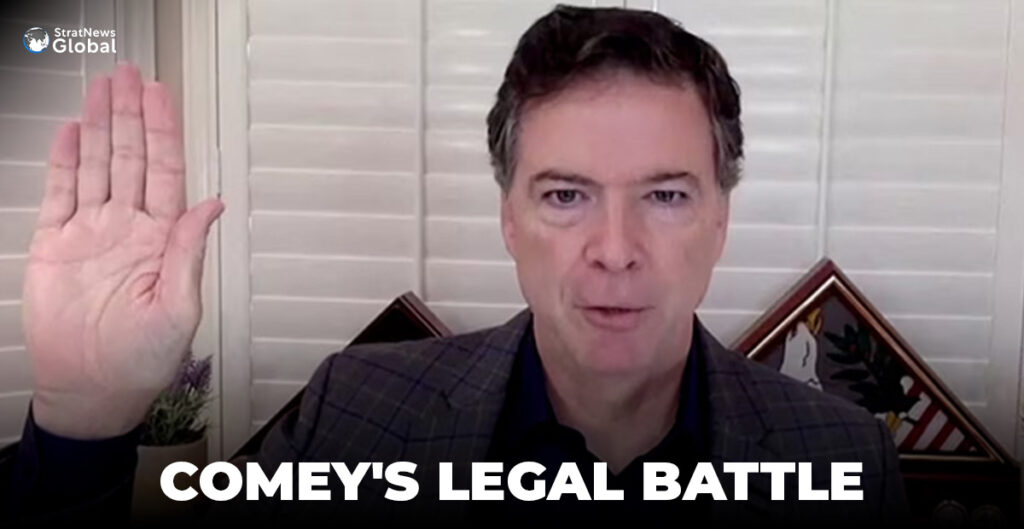
Former FBI Chief Comey Pleads Not Guilty In Trump-Backed Prosecution
Former FBI Director James Comey pleaded not guilty to criminal charges on Wednesday, with his lawyer announcing plans to mount a series of legal challenges against the Justice Department’s first prosecution targeting one of President Donald Trump’s political opponents.
The charges, accusing Comey of making false statements and obstructing a congressional investigation, were brought by Trump’s former personal attorney, Lindsey Halligan. She was installed last month as the U.S. attorney for the Eastern District of Virginia after Trump forced out her predecessor over his reticence to prosecute Comey and New York Attorney General Letitia James.
The case is a test of Trump‘s intent to use the legal system against people who have criticised him or resisted his agenda, despite concerns from career prosecutors about the strength of the evidence.
U.S. District Judge Michael Nachmanoff of the Eastern District of Virginia scheduled the trial to begin on January 5.
Comey’s lawyer, Patrick Fitzgerald, entered the plea on Comey’s behalf during a roughly 25-minute court hearing.
“Our view is that this prosecution was brought at the direction of President Trump,” Fitzgerald said in court.
Charges Related To 2020 Congressional Hearing
Comey, who appeared at an Alexandria, Virginia, court, is accused of knowingly making a false statement when he told a Republican senator during a 2020 hearing that he stood behind prior testimony that he did not authorize anyone to serve as an anonymous source in news reports about FBI investigations.
The indictment accuses Comey of authorizing an FBI employee to disclose information about a federal probe. The indictment does not identify the investigation, but it appears to relate to Democrat Hillary Clinton, Trump’s rival in the 2016 election. It does not detail the evidence against Comey.
Fitzgerald told the judge he planned to file several legal motions to dismiss the case before a trial, including filings arguing the prosecution was vindictive, that it was tainted by “outrageous government conduct,” and that Halligan was unlawfully appointed as U.S. attorney. Fitzgerald said the defense still did not have basic information about the allegations in the indictment, including whom Comey allegedly authorized to disclose information to the media.
Prosecutor Nathaniel Lemons said the case involved a “significant amount” of classified information, drawing a warning from the judge that the sensitive nature of the evidence would not set the case “off track” and delay a trial.
Comey spoke briefly in court, indicating he understood his legal rights. His family sat in the front row of the courtroom’s public gallery.
Trump Pursuing Political Rivals
Trump has threatened to imprison his political rivals since the start of that 2016 campaign, but the case against Comey marks the first time his administration has succeeded in securing a grand jury indictment against one of them. Trump’s Justice Department is also investigating other antagonists, including James, Democratic California Senator Adam Schiff, and John Bolton, who served as a national security official in Trump’s first term as president.
Hours before the hearing, Trump called for jailing Chicago’s mayor and Illinois’ governor, both Democrats, as his administration prepared to deploy National Guard troops during stepped-up immigration enforcement in the city.
Just one in four Americans in a Reuters/Ipsos poll completed on Tuesday agreed with the statement that the Justice Department does its job fairly and without political interference.
Halligan, who has no prosecutorial experience and previously worked as an insurance attorney, presented the evidence in the case to the grand jury.
Career attorneys in the office previously drafted a memo urging her not to proceed with seeking an indictment, citing a lack of evidence to establish probable cause that he committed a crime, Reuters reported. In a highly unusual move, the government dispatched two federal prosecutors from a different office in Raleigh, North Carolina, to handle the case.
The charges against Comey came shortly after Trump complained publicly about a lack of action on the case. The Justice Department’s willingness to respond to Trump’s demands represents a breach of decades-long norms that have sought to insulate U.S. law enforcement from political pressures.
More than 1,000 Justice Department alumni from Republican and Democratic administrations recently signed a letter decrying the case against Comey as “an unprecedented assault on the rule of law.”
The former FBI director, in his final year in office, drew the anger of both Democrats and Republicans. In July 2016, he called an unusual press conference discussing the FBI investigation of Democratic presidential candidate Clinton that ended without pressing charges, an event that Clinton supporters argued contributed to her loss to Trump.
Trump, in May 2017, fired Comey, angry over his handling of an investigation into contacts between Russia and Trump’s campaign. The firing sparked a political firestorm and led to the appointment of Special Counsel Robert Mueller, whose investigation dogged much of Trump’s first presidency.
Mueller’s probe ultimately concluded there was not enough evidence to establish a criminal conspiracy.
(With inputs from Reuters)
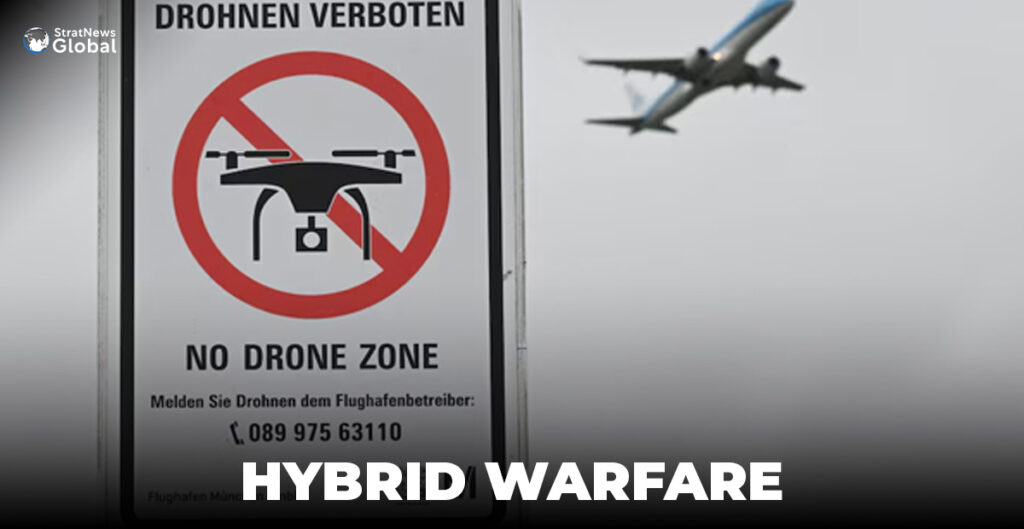
Germany To Authorise Police To Shoot Down Threatening Drones
Germany is set to grant police the authority to shoot down rogue drones, similar to those that have disrupted airports across Europe and that several European leaders believe are part of a hybrid war being orchestrated by Russia.
The new law, agreed by the cabinet on Wednesday and awaiting parliamentary approval, explicitly authorises the police to down drones violating Germany’s airspace, including shooting them down in cases of acute threat or serious harm.
Other techniques available to down drones include using lasers or jamming signals to sever control and navigation links.
“Drone incidents threaten our security,” Chancellor Friedrich Merz said in a post on social media platform X.
“We will not permit that. We are strengthening the Federal Police’s powers so that drones can be detected and countered more quickly in future.”
The new law comes after dozens of flights were diverted or cancelled last Friday at Munich Airport, Germany’s second largest, leaving more than 10,000 passengers stranded, after rogue drone sightings.
Merz has said he assumed Russia was behind many of the drones flying over Germany last weekend, but none had been armed and were rather on reconnaissance flights.
EU leaders have come to view Russia as a major threat to their continent’s security following Moscow’s 2022 full-scale invasion of Ukraine and their support of Kyiv.
European Commission President Ursula von der Leyen called last month for what she described as a drone wall – a network of sensors and weapons to detect, track and neutralise intruding unmanned aircraft – to protect Europe’s eastern flank.
But some say the drones involved in recent incidents could also have been launched from within the EU.
Keeping Pace With Fast Drone Innovation
With the new law, Germany joins European countries that have recently given security forces powers to down drones violating their airspace, including Britain, France, Lithuania and Romania.
A dedicated counter-drone unit will be created within the federal police, Interior Minister Alexander Dobrindt said, and researchers would consult with Israel and Ukraine as they were more advanced in drone technology.
Police would deal with drones flying at around tree-level, whereas more powerful drones should be tackled by the military, Dobrindt said.
Germany recorded 172 drone-related disruptions to air traffic between January and the end of September 2025, up from 129 in the same period last year and 121 in 2023, according to data from Deutsche Flugsicherung (DFS).
German military drills last month in the northern port city of Hamburg demonstrated how like a spider, a large military drone shot a net at a smaller one in mid-flight, entangling its propellers and forcing it to the ground, where a robotic dog trotted over to seek possible explosives.
Shooting down drones could be unsafe in densely populated urban areas, however, and airports do not necessarily have detection systems that can immediately report sightings.
(With inputs from Reuters)
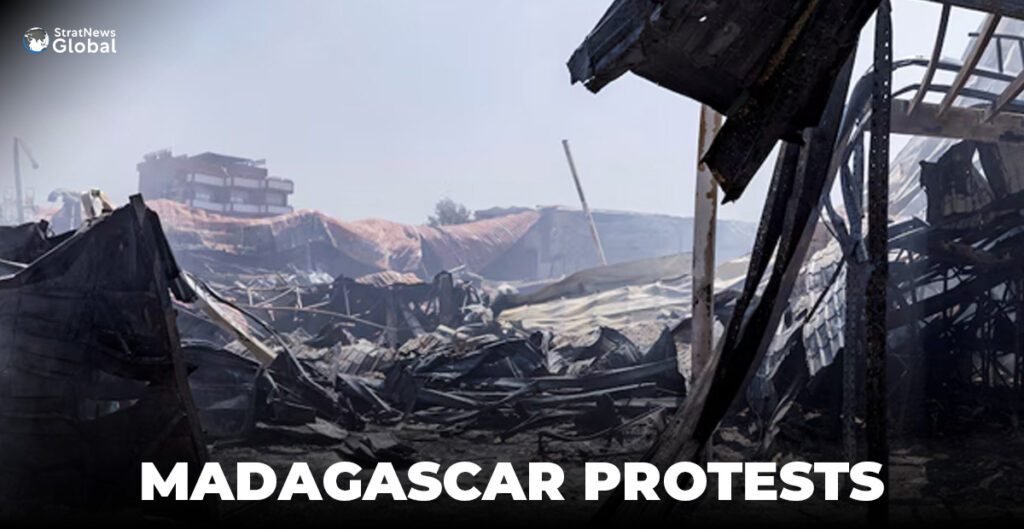
Madagascar Protesters Reject President Rajoelina’s ‘National Dialogue’ Offer
Youth protesters in Madagascar on Wednesday refused to participate in President Andry Rajoelina’s proposed “national dialogue,” accusing his government of repression following weeks of demonstrations across the island nation.
Inspired by similar “Gen Z” movements in Kenya and Nepal, the protests that started on September 25 pose the biggest challenge to Rajoelina’s government since his re-election in 2023, giving voice to widespread discontent over rampant poverty and high-level corruption.
Rajoelina fired his cabinet last week in a bid to quell the unrest, appointing a new prime minister and announcing plans for a national dialogue that started on Wednesday afternoon. He said the talks would be attended by spiritual leaders, students, youth representatives, and others.
“I don’t want flattery. I want to hear the truth. It’s the people who kept telling me that everything was fine who are responsible for our current situation,” he told the attendees.
Police Disperse Students
But the moves have failed to ease public anger.
On Wednesday, police dispersed about 200 medical students as they attempted to march after holding a sit-in at Antananarivo’s main government hospital, a Reuters witness said.
The so-called Gen Z movement said they would not hold talks with the government as long as authorities respond to their demonstrations with force.
“We reject this mockery of dialogue,” the protesters said in the statement posted on their verified Facebook page.
“We refuse the president’s invitation to talks. We will not engage in dialogue with a regime that represses, assaults, and humiliates its youth in the streets.”
Although the demonstrations were initially sparked by water and electricity shortages, demands have now expanded to include calls for Rajoelina to leave office, apologise to the nation, and dissolve the senate and the election commission.
Maminira Ranoelisoa, whose husband Alain Mamisoa Randriambolamanana was shot dead on September 25 when he went to close his shop, said his death was “entirely preventable”.
“It is normal for people to protest because the people are hungry,” she told Reuters.
Late on Tuesday, Rajoelina appointed new ministers for defence and public security and asked them to restore public order, without elaborating further on possible measures.
At least 22 people have been killed while 100 others have been injured in the unrest, according to the United Nations. The government has rejected those figures, without offering any of its own.
Madagascar’s protests are taking place at a vulnerable time for its export-reliant economy. While the country is best known for producing most of the world’s vanilla, other exports, including nickel, cobalt, textiles and shrimp, are also vital to foreign earnings and employment.
The country’s per capita GDP plunged by 45% between 1960 and 2020, according to the World Bank.
(With inputs from Reuters)
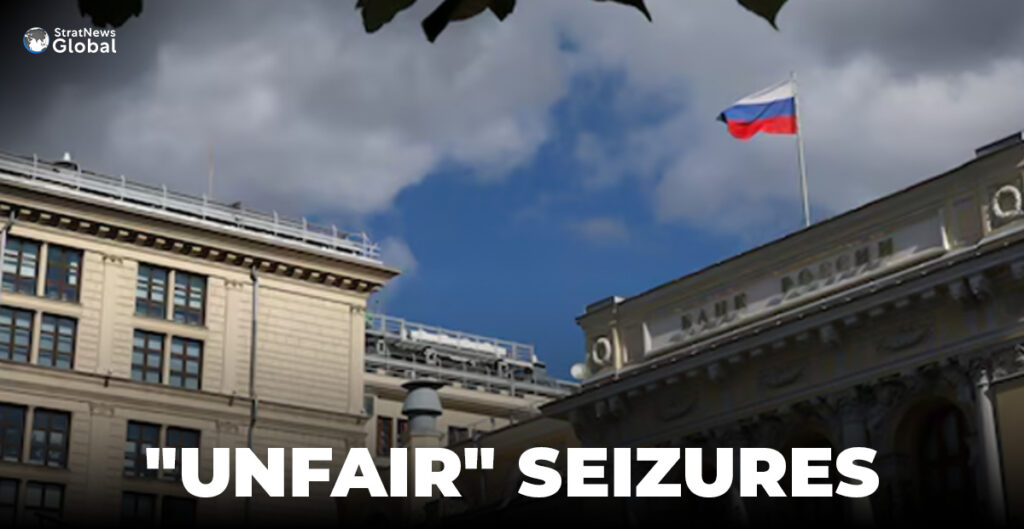
Russia’s Central Bank Challenges State Over Unfair Asset Seizures
In a rare rebuke of the Kremlin’s growing control over private enterprise, Russia’s central bank has determined that the state violated minority shareholders’ rights in several recent asset takeovers linked to the Ukraine conflict, sources told Reuters.
The move marks the first visible pushback from within Russia’s elite against the sweeping nationalisation drive that has seen tens of billions of dollars in foreign and domestic assets seized.
But within parts of the Russian elite, there are signs of a backlash, especially among market-friendly technocrats who are credited with saving the Russian economy from collapse amid the toughest sanctions ever imposed on a major economy.
Some business executives and central bank and finance ministry officials are questioning what they see as a move to a Soviet-style command structure, with all resources mobilised towards achieving military victory in Ukraine, the sources said.
Three sources close to the central bank and the Moscow Stock Exchange told Reuters that MOEX had officially complained to the central bank over the alleged violation of the law by the government after seizing a majority stake in gold miner UGC.
Seizing Private Property
Although the complaint did not question the seizure itself, the central bank ruled that the state had failed to make an obligatory buyout offer to shareholders in a public company and asked the state property agency to execute the offer.
“The state’s actions in the UGC case are undermining the last semblance of private property rights in Russia,” one source with knowledge of discussions, who spoke on condition of anonymity due to the sensitivity of the situation, told Reuters.
The Moscow Stock Exchange and the finance ministry declined to comment on the issue.
The source said that the state de-facto devalued the stakes of private investors who purchased shares on the open market and have no connection to the court case against the company, nor links to the previous billionaire owner Konstantin Strukov.
“I take it that when a nationalisation of property is taking place the law does not work,” Oleg Kuzmichev, a private investor in UGC shares, told Reuters.
‘Who Will Buy Shares After This?’
UGC held one of the biggest initial public offerings in Russia in 2023, positioning itself as a safe-haven bet on gold in turbulent times when foreign capital fled Russia. About 10% of the company’s shares are held by Russian retail investors.
“How can you convince anyone to buy shares after this? The long-term harm to the economy from such actions far exceeds the benefits from whatever billions they are seizing,” the source said.
Lawyer Karim Fayzrakhmanov from Forward Legal confirmed to Reuters that a Russian law on joint-stock companies requires new holders of stakes exceeding 30% to make a buyout offer within 35 days of an ownership change with no exceptions for the state.
Russian authorities have seized assets worth around $50 billion since the start of Moscow’s “special military operation” in Ukraine, including the assets of fleeing Western companies such as French food maker Danone and Danish brewer Carlsberg.
Besides the Western assets, major domestic companies have changed hands on the basis of including corruption claims, alleged privatisation violations, or poor management.
The nationalisations have marked the biggest property redistribution since the 1990s, when Soviet state assets were sold off to private investors at bargain prices. The drive to seize private property had so far met little domestic opposition.
Weighing On Stock Exchange
President Vladimir Putin earlier asked regulators to ensure that more companies sell their shares on the market at a time when debt is expensive and the economy is slowing down, partly due to lack of capital for investment.
But the UGC controversy has sharpened concerns among some in Moscow about the feasibility of more companies going public.
Sergei Shvetsov, MOEX board chairman and a former first deputy governor of the central bank, expressed rare public criticism.
“The state must first and foremost follow the rules it sets. Right now, it doesn’t, especially when it comes to public companies in which it holds a stake,” Shvetsov told a financial forum in Moscow.
He said that the way the Russian state handles public companies contributes to a so-called “Russian discount” that, combined with lower interest rates, is weighing on the Russian stock index, which is down about 30% since the start of 2022.
Accelerated Sales
However, one of the sources said, there is no budgeted money for such a buyout, while lengthy valuation and due diligence procedures are delaying privatisation of seized assets.
One possible solution would be to sell seized assets quickly, shifting the buyout offer responsibility to new owners. The sources added that a new decree by Putin on accelerated property sales should help.
The day after the decree was published, secretive copper producer UMMC emerged as the likely buyer of the seized stake in UGC, which the finance ministry is aiming to sell by the end of October for 100 billion roubles ($1.23 billion).
The central bank’s first deputy chairman, Vladimir Chistyukhin, who oversees financial markets, echoed Shvetsov, warning that the current approach to property rights would deter foreign investors even after any peace in Ukraine is secured.
“It is necessary that by that time, all the disruptions we have had with a number of state decisions regarding individual corporations are resolved,” he said.
($1 = 82.0000 roubles)
(With inputs from Reuters)
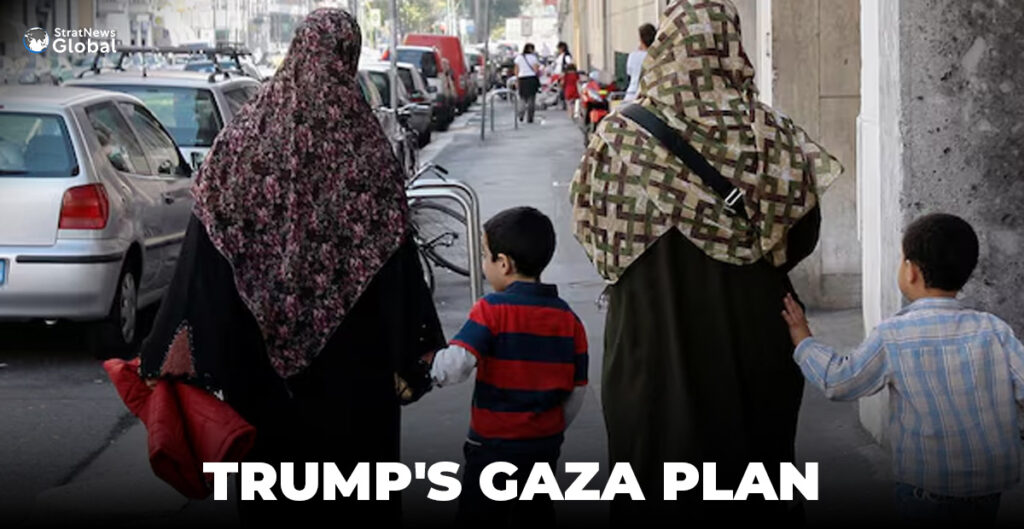
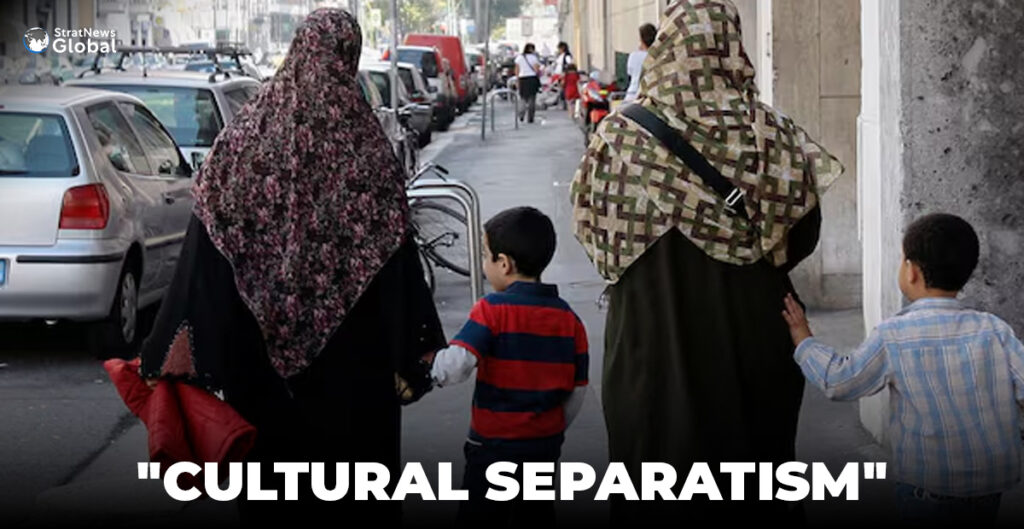
Italy Proposes Ban On Burqas Under New ‘Cultural Separatism’ Bill
Italy’s ruling Brothers of Italy party on Wednesday introduced a bill seeking to ban the wearing of burqas and niqabs in public, framing the measure as part of a wider effort to curb what it describes as “cultural separatism” associated with Islam.
The bill, presented to parliament by lawmakers from Prime Minister Giorgia Meloni’s party, would prohibit garments covering the face in all public places, schools, universities, shops, and offices nationwide.
The burqa is a full-body garment that covers a woman from head to foot, including a mesh screen over the eyes. The niqab is a veil for the face that leaves the area around the eyes clear.
Violators would face fines of 300 to 3,000 euros ($350-$3,500).
The legislation was aimed at combating “religious radicalisation and religiously-motivated hatred”, the introductory text said.
France Banned Burqas In 2011
France was the first European country to introduce a blanket ban on wearing burqas in public in 2011.
The list has expanded significantly since, with more than 20 states around the world implementing some form of ban on the burqa and other full-face coverings in public, including Austria, Tunisia, Turkey, Sri Lanka and Switzerland.
The European Court of Human Rights has consistently upheld these bans, including in 2017, when it upheld Belgium’s bar on burqas and full-face veils, ruling that states may restrict such garments to protect “living together” in society.
Regions of Italy already impose restrictions, such as the northern one of Lombardy, which imposed a ban on entering public buildings and hospitals with covered faces in late 2015.
The legislation extends beyond face coverings to impose new financial transparency requirements on religious organisations that lack formal agreements with the Italian state.
No Muslim organisations currently have such agreements, leaving Islam without the formal recognition granted to 13 other religious groups. Under the proposed law, unrecognised groups will have to disclose all funding sources, with financing restricted to entities that pose no threat to state security.
The bill also introduces several new criminal provisions, including penalties for virginity testing, while strengthening punishment for forced marriages by adding religious coercion as grounds for prosecution.
Meloni’s coalition partner the League presented more limited legislation focusing on face coverings earlier this year. It is currently under review in a parliamentary commission and it was not clear if it would be merged with this new bill proposal.
The coalition has a strong majority in parliament, meaning such legislation should find backing, although there was no immediate timetable for its debate. ($1 = 0.8600 euros)
(With inputs from Reuters)