The European Union was caught off guard this week after the United States of America announced plans to withdraw 5,000 troops from Germany, with top EU officials calling the move a wake-up call for the continent’s defense ambitions.
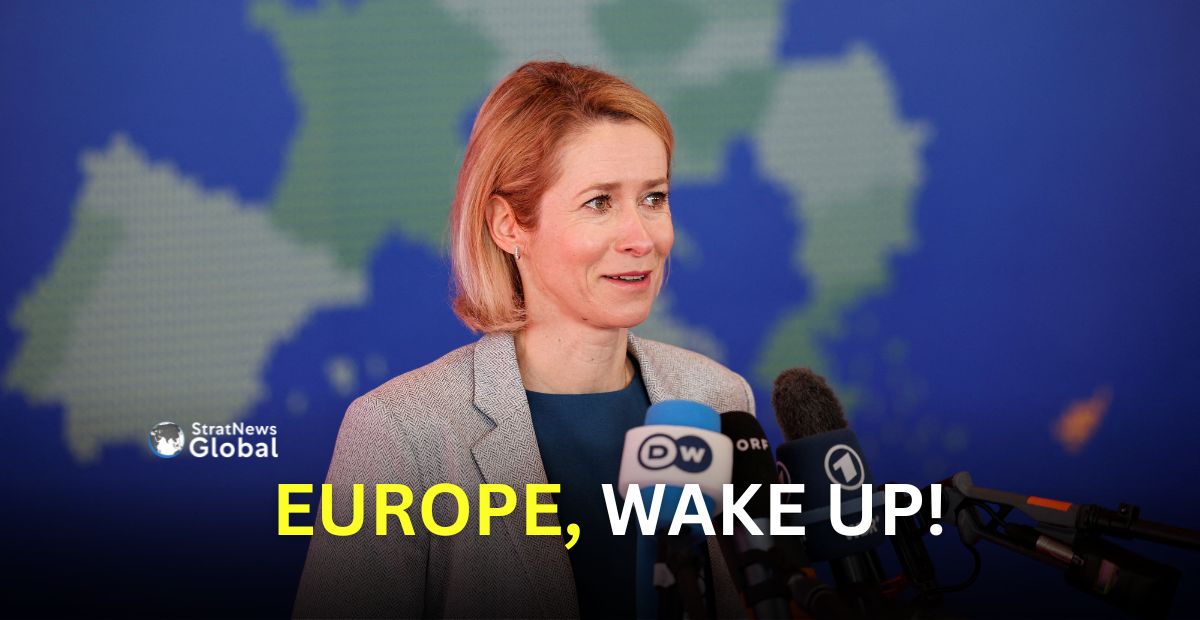
Kaja Kallas, the EU’s foreign policy chief, described the announcement as unexpected, speaking candidly as she arrived at a European Political Community summit in Armenia. Her remarks struck a tone of urgency that has become increasingly familiar in European capitals grappling with shifting American foreign policy priorities.
“The timing of this announcement comes as a surprise,” Kallas said. “I think it shows that we really have to strengthen the European pillar in NATO, and we have to really do more.”
A Blow to Transatlantic Security
The statement lands at a particularly sensitive moment.
NATO allies have long relied on American troop deployments across Europe as both a practical deterrent and a symbolic guarantee of U.S. commitment to transatlantic security.
A reduction of this scale, however modest in absolute terms, carries significant political weight, particularly amidst the ongoing tensions with Russia and continued conflict in Ukraine.
Kallas was careful to frame the issue not as a transatlantic rift, but as a shared strategic interest. “The American troops are not in Europe only for protecting the European interests, but also the American interests,” she noted, pointing to the fact that collective security is inherently mutual.
Europe’s Push for Defence Independence
The announcement is likely to accelerate discussions within the EU about deepening homegrown defense capabilities, a debate that has gained renewed urgency since Russia’s invasion of Ukraine in 2022. For European leaders, the message is becoming harder to ignore: the continent may no longer be able to rely on Washington to shoulder the burden indefinitely.
The summit in Armenia is expected to address long-term security cooperation across the broader European region.
(With inputs from Reuters)