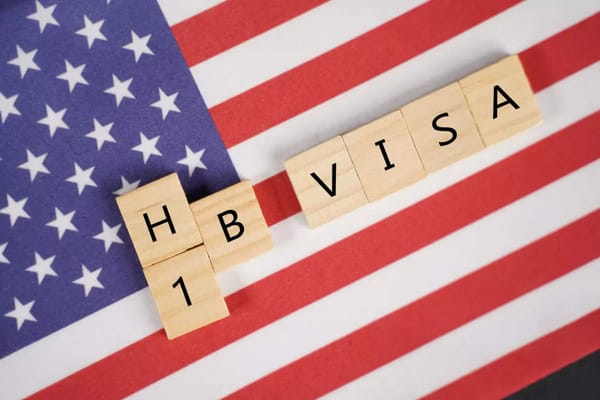
Nineteen US states including California, New York and Illinois are going to court to challenge Donald Trump’s $100,000 H-1B visa fee hike.
In a post on X, California’s attorney general Rob Bonta wrote: “Trump’s unlawful new $100,000 fee hike could cause staffing shortages for teachers, physicians, researchers, nurses and other vital workers, endangering CA’s ability to provide critical services.”
A separate press release from his office said the new fee could “create a costly barrier for employers, especially public sector and government employers, trying to fill these positions.”
It said that the hike “is a clear violation of the law because it imposes a massive fee outside of the bounds of what is authorized by Congress and contrary to Congress’s intent in establishing the H-1B program, bypasses required rule making procedures, and exceeds the authority granted to the executive branch under the Administrative Procedure Act.”
The lawsuit is expected to be filed in the Massachusetts federal court, Reuters reported. This would at least be the third legal challenge to the Trump administration’s H-1B policy change. Earlier, the hiked fee was challenged by the US Chamber of Commerce and a coalition of unions, employers and religious groups.
The usual fee for employers filing an H-1B visa request ranges from $960 to $7,595 in regulatory and statutory fees. The new hiked fee far exceeds the actual cost of processing H-1B petitions.
Bonta said, “No president can destabilize our schools, our hospitals and universities on a whim, and no president can ignore the co-equal branch of government, of Congress, ignore the Constitution or ignore the law.”
Democratic Congresswoman Pramila Jayapal, during the House Foreign Affairs South and Central Asia Subcommittee hearing, said the tariffs announced by Trump “are…hurting American businesses and consumers”, PTI news agency reported.
Jayapal further spoke on the Trump administration’s crackdown on immigration, saying it has “threatened” people-to-people ties between India and US. Jayapal said these measures are “shutting down legal pathways to immigrate.”