India and Germany have finalised their 2025 Development Cooperation package, securing nearly €1.3 billion in commitments under the Green and Sustainable Development Partnership (GSDP) as both sides prepare for the expected visit of German Chancellor Friedrich Merz.
According to the agreement, most of the funding will be concessional loans directed at climate mitigation and adaptation, renewable energy, urban development, green mobility, sustainable ecosystem management, and skills cooperation linked to the energy transition. Both governments described the framework as a shared-responsibility partnership rather than a donor-recipient model.
The negotiation round endorsed a series of new programmes spanning core GSDP priorities, reflecting a long-term roadmap for collaboration in clean energy, resilient cities, and low-emission transport systems. German officials noted that the scale and structure of the GSDP make it distinct, positioning both sides as equal partners working on common strategic goals.
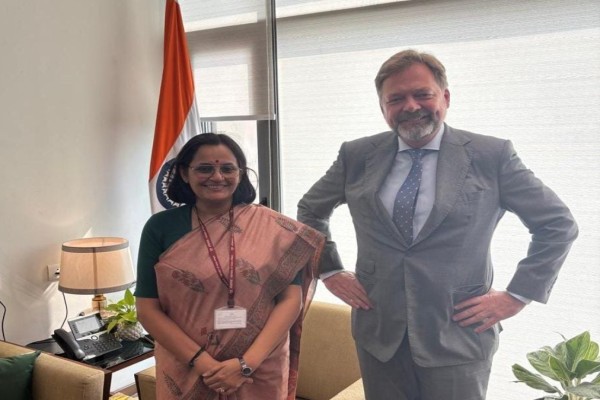
Ahead of the talks, Christine Toetzke from Germany’s Federal Ministry for Economic Cooperation and Development travelled to Bangalore to review ongoing cooperation in urban mobility, inclusive design and public transport modernisation. The visit included stops at project sites and meetings with industry stakeholders.
Among the flagship projects highlighted was the Yellow Line Metro in Bangalore, backed by a €340 million KfW loan and incorporating German systems and technology. Other initiatives—including a rooftop solar EV charging station using second-life batteries and digital tools supporting accessibility for visually impaired commuters—illustrate growing collaboration between public institutions, start-ups, and private sector companies in both countries.
The timing of the finalised cooperation package aligns with preparations for Chancellor Merz’s anticipated first visit to India since taking office. While development cooperation will remain central, discussions are also expected to cover defence manufacturing, academic partnerships, digital regulation, and long-term climate action strategies.
Germany continues to seek expanded pathways for Indian researchers and students pursuing higher education, while India is pushing forward joint defence plans, including locally constructing German-designed submarines in Mumbai.
By concluding negotiations ahead of the high-level political engagement, New Delhi and Berlin have set a structured agenda for discussions and signalled continuity in policy priorities despite leadership transitions. The agreed framework consolidates existing cooperation while opening space for expansion in technology, education, mobility, and defence—areas both governments consider critical to shaping the next phase of Indo-German ties.