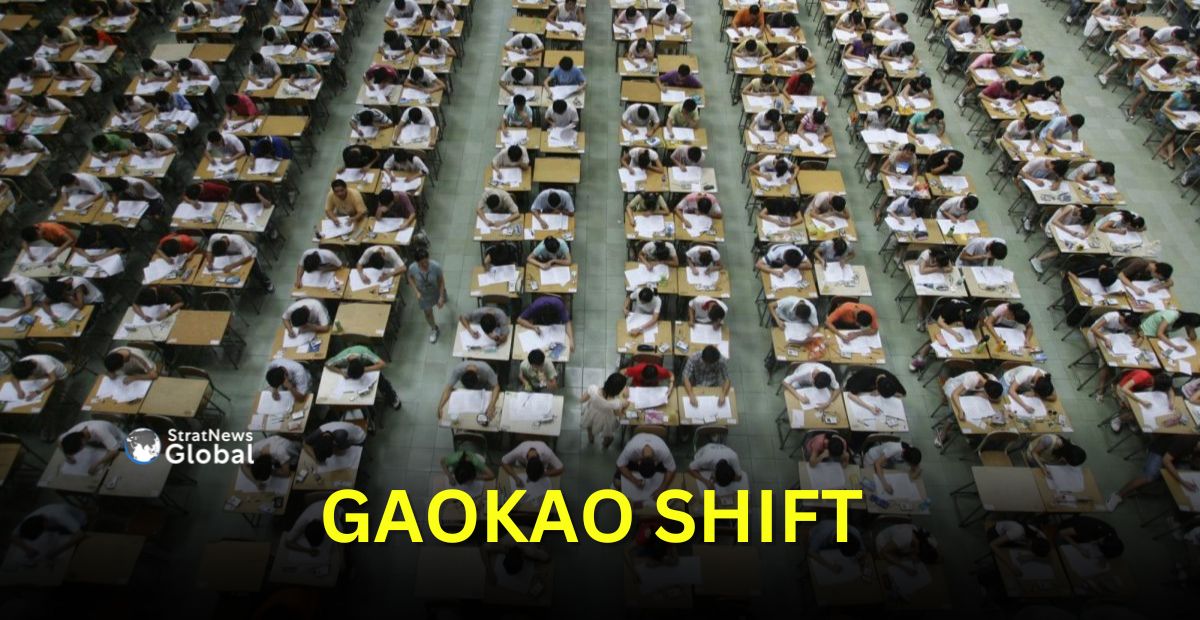
As millions of Chinese students prepare to sit the country’s highly competitive national college entrance examination, known as the gaokao, a significant shift is taking place beneath the surface of the education system.
According to a report by the South China Morning Post, a growing number of young people are choosing not to pursue traditional university degrees, reflecting changing attitudes towards higher education and employment prospects in China.
The gaokao remains one of the largest examinations in the world, with more than 13 million students expected to sit for it this year. Yet the pressure surrounding the test is no longer what it was a decade ago. A declining birth rate means there are fewer students competing for university places, while many institutions have expanded enrolment, making admission easier than before.
More importantly, many students are no longer convinced that a university degree guarantees a secure future.
China’s economy has slowed in recent years, while youth unemployment remains a pressing concern, with the jobless rate for young people still above 16 per cent in April.
Stories of graduates struggling to find jobs matching their qualifications have become increasingly common. For some families, especially outside major cities, the prospect of spending years and substantial sums on higher education now appears less certain than it once did.
As a result, vocational schools and technical institutes are attracting greater interest. These institutions offer practical skills and often provide a more direct path into employment. Government policies have also encouraged vocational education as China seeks to address shortages of skilled workers in manufacturing, technology and other sectors.
The changing mindset is particularly visible among students from smaller cities and less affluent regions, where families are carefully weighing the costs of university against uncertain employment outcomes.
However, admission to elite universities such as Tsinghua and Peking University remains fiercely competitive, and millions of families still view the exam as a life-changing opportunity.
Yet the growing willingness of students to look beyond the traditional university route suggests that China’s education system is entering a new phase, one in which skills, employability and practical training may increasingly rival academic prestige as measures of success.
(With inputs from agencies)