China signalled on Thursday it will rely on fiscal stimulus to manage the economy in 2026, pledging to maintain a “necessary” budget deficit and debt levels to shore up growth while tackling local government financial strains.
The commitment, outlined after a key agenda-setting meeting, underscores Beijing’s intent to keep spending high and deploy flexible monetary tools as it faces pressure to boost domestic demand and offset global trade tensions.
Cross-Cyclical adjustments
China will increase counter-cyclical and cross-cyclical adjustments next year, the official Xinhua news agency reported, citing the annual Central Economic Work Conference held December 10–11.
“We will continue to implement a more proactive fiscal policy: maintain necessary fiscal deficit, total debt scale, and total expenditure, strengthen scientific fiscal management, optimise fiscal expenditure structure,” it said.
China is widely expected to roll out stronger fiscal stimulus next year, keeping its budget deficit target near current levels – or raising it slightly – alongside increased debt issuance, analysts said.
China set a record budget deficit target of around 4% of GDP this year to support its growth goal.
Policymakers will flexibly deploy tools, including cuts to banks’ reserve requirement ratios and interest rates, the Xinhua report said.
Boosting Consumption
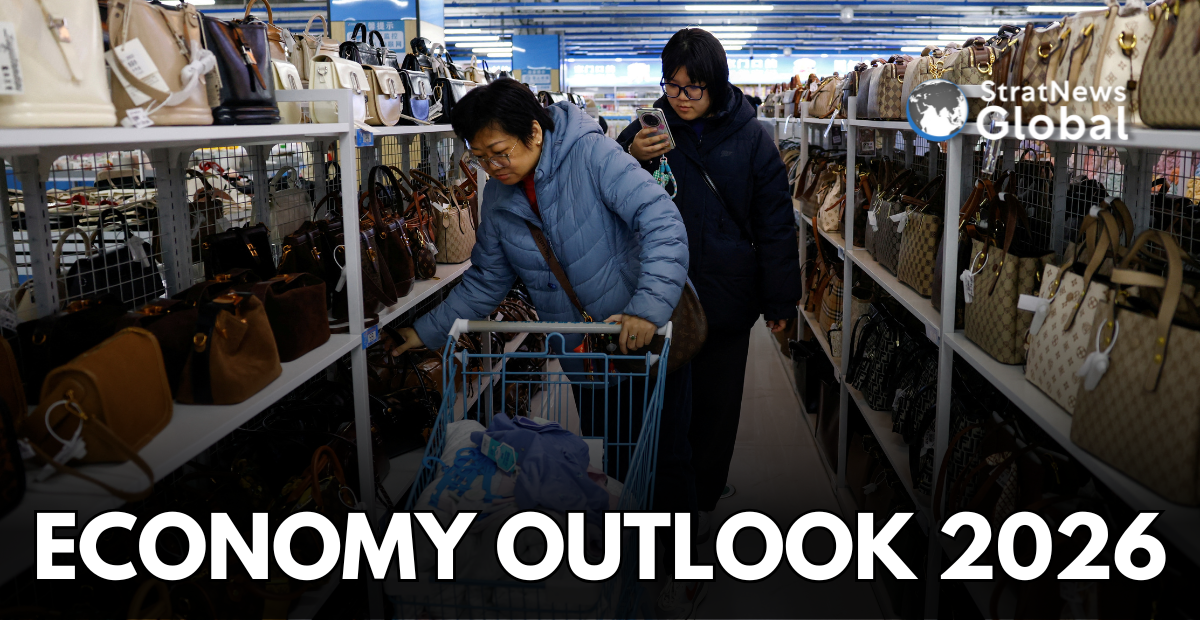
China will also take steps to boost household consumption while adhering to an innovation-driven strategy and accelerating the cultivation and expansion of new growth drivers, it said.
China’s economy has shown remarkable resilience this year in the face of higher trade tariffs imposed by Washington, having diversified its export markets away from the United States, even though it ultimately benefits from the U.S. role as the main source of demand in the global economy.
Its trillion-dollar-a-year trade surplus, however, is stirring tensions with Europe and other trade partners, and drawing criticism from the International Monetary Fund and other observers who say its production-focused economic growth model is unsustainable.
Pressure is rising on Beijing to take bigger steps to increase domestic consumption and contribute more to global demand for goods and services.
(with inputs from Reuters)