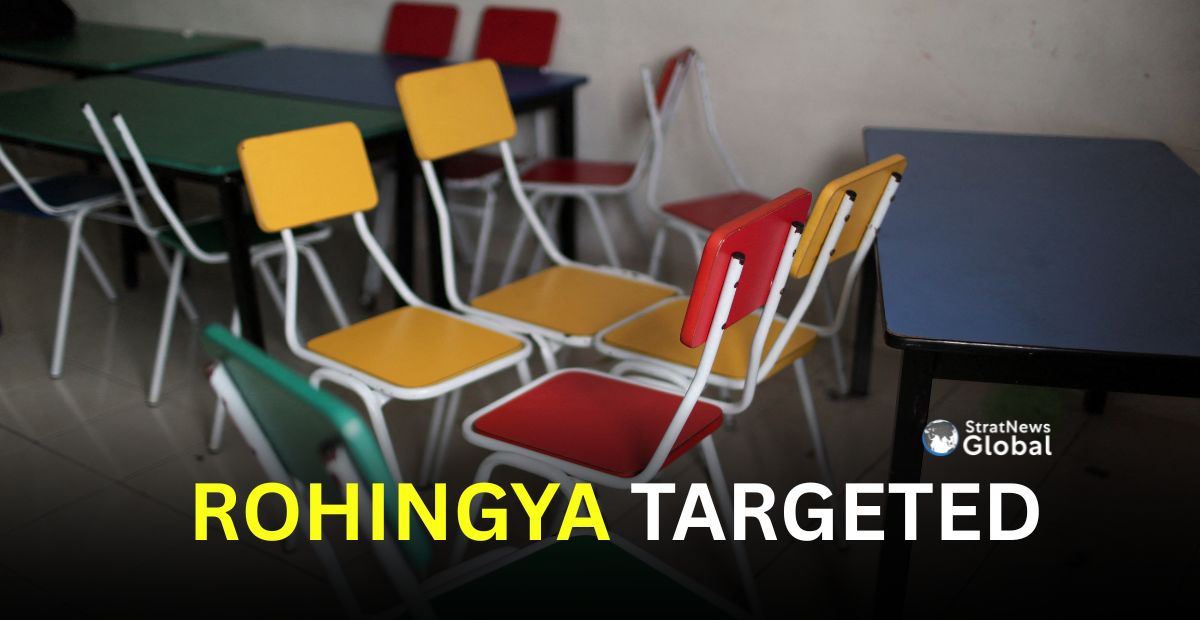
Several Rohingya refugee schools across Malaysia have shut down following a rise in harassment, threats and online hate speech targeting the community, according to rights groups and educators.
Community activists say incidents of young children leaving schools have become increasingly common, leaving many Rohingya children afraid to leave their homes.
Reuters found that at least nine Rohingya schools have closed nationwide in recent months. Rights groups attribute the closures to a surge in online misinformation and hate speech directed at the Rohingya, which has coincided with tighter restrictions on the refugee community and renewed concerns over online content regulation.
Malaysia does not formally recognise the Rohingya as refugees, classifying them as undocumented migrants, although around 120,000 Rohingya are registered with the United Nations refugee agency.
While Muslim-majority Malaysia has historically expressed support for the persecuted Rohingya minority from Myanmar, public sentiment shifted during the COVID-19 pandemic amid allegations that refugees were spreading the virus, failing to respect local customs and competing with Malaysians for jobs.
Speaking in parliament last week, Deputy Foreign Minister Lukanisman Awang Sauni said many Malaysians had “begun feeling burdened by issues arising from managing the Rohingya community.”
Schools Targeted
Anti-Rohingya sentiment intensified on social media in May, with a petition calling for the removal of Rohingya refugees drawing nearly 500,000 signatures before it was removed. Rights groups said the campaign fuelled harassment, raids and school closures, while the U.N. refugee agency warned of rising hate speech and disinformation targeting Rohingya refugees.
Authorities have shut down several Rohingya-linked businesses and schools, saying they were operating illegally. As Rohingya children are barred from Malaysia’s public education system, many rely on informal learning centres, several of which have now closed over safety concerns or following official action.
Teachers at remaining schools say they have scaled back activities and asked students not to wear uniforms to avoid attracting attention. Rights advocates warn prolonged school closures could increase child labour, begging and child marriage among Rohingya children.
Renewed Concerns Over Online Moderation
Activists say the anti-Rohingya campaign has renewed concerns over social media platforms’ ability to curb hate speech.
Article 19 said Meta and TikTok removed some flagged content but left much of it online, raising questions about inconsistent enforcement despite policies against harmful content. Meanwhile, affected Rohingya children have few educational alternatives as schools remain closed.
(With inputs from Reuters)